
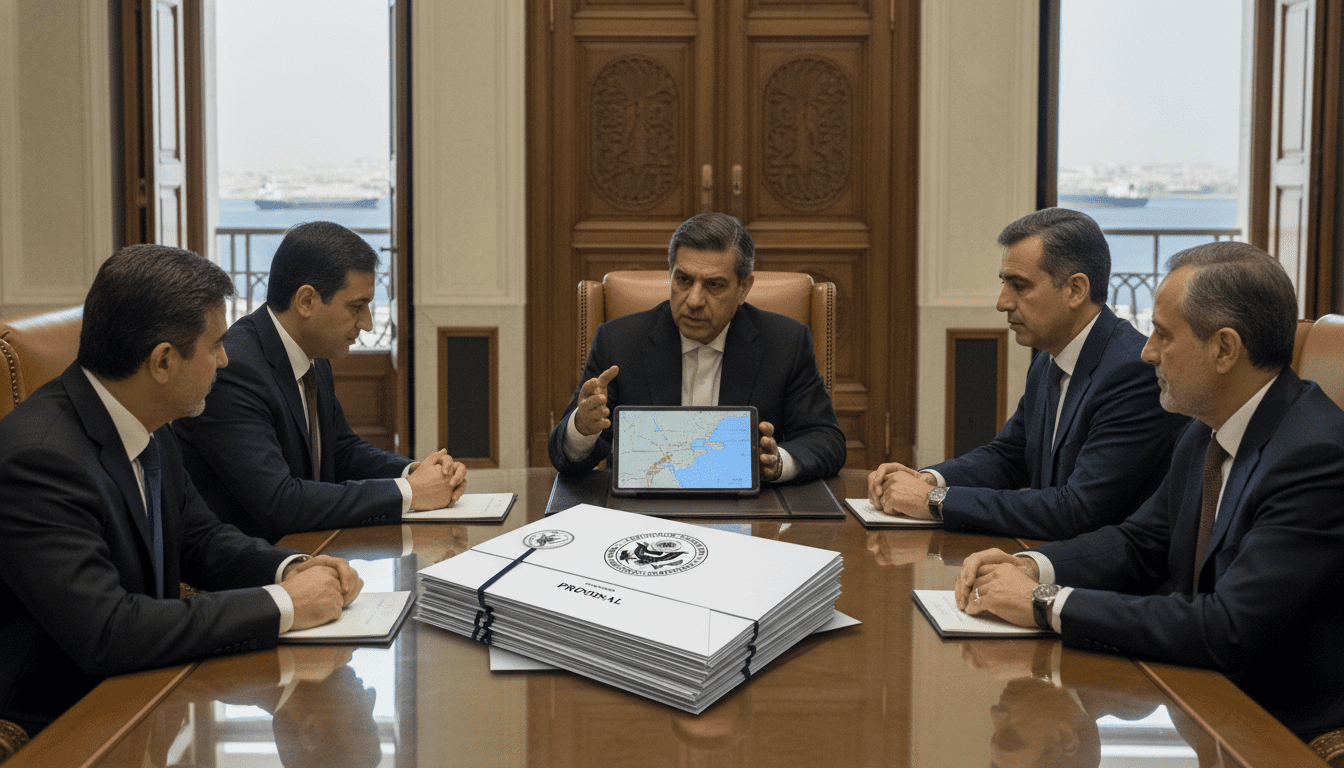
US proposal to Iran stalls as Tehran continues careful review of 14-point peace offer
US proposal to Iran faces delay as Tehran reviews terms demanding a nuclear freeze, Strait of Hormuz access, and sanctions relief.
The United States has presented a 14-point proposal to Iran aimed at ending the wider regional war and reopening the Strait of Hormuz, but Tehran has not yet accepted the offer and says it is still under careful review. The US proposal to Iran would require a long pause in uranium enrichment and the reopening of the strait, while Washington has indicated it would lift selective sanctions and release frozen assets if Iran complies.
U.S. officials set out the 14-point framework
U.S. authorities circulated a 14-point framework this week that links nuclear constraints to an immediate reopening of the Strait of Hormuz and sanctions relief. The package reportedly calls for Iran to limit enrichment activities for a specified period and to transfer a substantial stockpile of enriched uranium out of the country as part of verifiable steps.
American officials have framed the offer as a path to de-escalation that would also restore global energy flows, citing the strait’s importance for nearly one-fifth of world crude and gas shipments. Washington says the proposal is timebound and verifiable, while offering phased relief from long-standing economic sanctions if Iran complies.
Tehran insists any pact must be “fair and comprehensive”
Iranian spokespeople say the government is studying the U.S. text and will only respond to a package that they judge equitable and all-encompassing. Officials have signalled that any agreement must address the full scope of the conflict, including guarantees that hostilities will not resume and that regional security concerns are managed.
Tehran’s negotiating posture reflects a demand for guarantees beyond immediate technical concessions, with Iranian sources reportedly insisting on assurances that reach regional actors and the institutions tasked with enforcing them. Iranian leaders are said to be coordinating across several political centers before issuing a formal reply.
Technical details and summit-level approvals slow the reply
Observers say the draft U.S. offer is highly technical, with specific timelines and wording that carry major implications for Iran’s nuclear infrastructure and regional posture. Iranian delegations are parsing dates, thresholds and verification language, which has prolonged deliberations beyond U.S. expectations.
Multiple Iranian institutions must sign off on any response, and sources note that the country’s supreme leadership would likely need to authorise a final decision. That domestic clearance process, combined with strategic calculations about bargaining leverage, appears to be a primary factor behind the delay.
Iran’s reported three-phase demand includes Lebanon and UN guarantees
According to regional reporting and diplomatic sources, Tehran is advancing a three-phase approach that begins with an immediate cessation of hostilities on all fronts and moves toward broader political guarantees. A principal Iranian demand is an assurance that fighting will not restart, with some officials pressing for Security Council-level guarantees.
Iran has also pushed for negotiated outcomes that address allied groups active in Lebanon, where fighting between Hezbollah and Israeli forces has continued despite an April ceasefire along some sectors. Tehran’s insistence on such regional elements complicates a deal focused narrowly on nuclear and maritime issues.
Strait of Hormuz control and nuclear enrichment remain core sticking points
The fate of the Strait of Hormuz is a central contention in the talks, with Washington rejecting any formalisation of Iranian control over the waterway. U.S. officials have warned that normalising a single state’s claim to dominate this international channel would be unacceptable to many maritime and trading partners.
On the nuclear front, the proposal demands that Iran restrain enrichment activities for an extended period and surrender a portion of its higher‑grade uranium stock. Iran has so far resisted full dismantlement or the permanent removal of its enriched material, making technical verification and timelines a sensitive issue.
Military pressure and regional fallout heighten urgency
The diplomatic window has been shaped by an intensifying operational backdrop: a U.S.-imposed naval blockade of Iranian ports and intermittent skirmishes around the strait have raised the risk of wider escalation. Tehran enacted measures that reduced commercial passage after the onset of hostilities on February 28, further straining global energy markets.
Casualty figures and displacement in neighbouring Lebanon, where hostilities surged in early March, have added political urgency to negotiators’ attempts to broker a wider lull. Humanitarian and economic disruptions are being cited by both sides as reasons to seek a negotiated pause, even as trust deficits complicate immediate progress.
Iran’s response timeline remains uncertain as negotiators weigh concessions, safeguards and regional guarantees. U.S. officials have publicly expressed hope for a swift reply, but Tehran’s call for comprehensive assurances and internal approval processes suggests negotiations may yet stretch into a protracted phase.
