
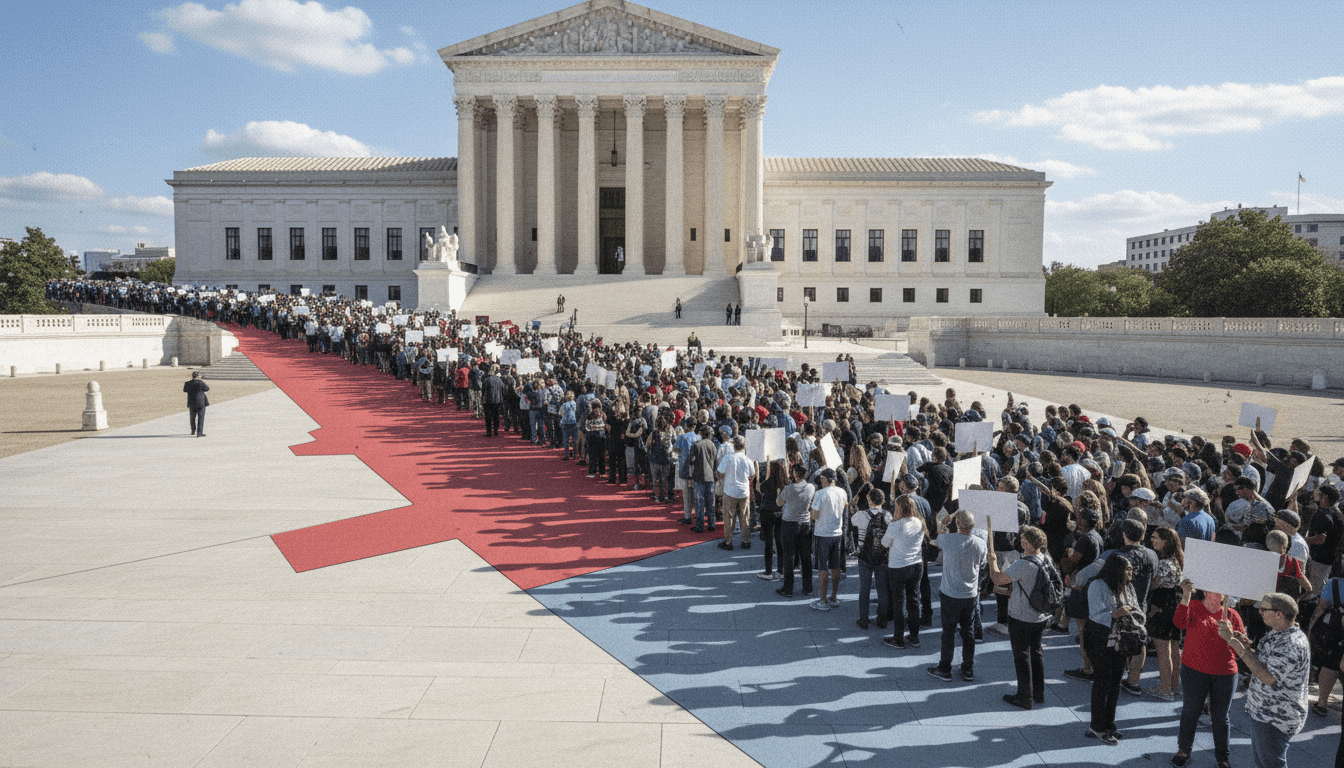
Gerrymandering Intensifies Ahead of 2026 Midterms as Maps and Court Rulings Reshape House Battles
Gerrymandering is resurging as a decisive factor in the run-up to the 2026 U.S. midterm elections, with newly drawn district maps and a recent Supreme Court posture tilting the terrain in favor of conservatives and intensifying partisan and legal conflict. The redrawing of districts from Texas to Virginia is expected to alter competitive boundaries and could determine which party controls the U.S. House of Representatives come November. Political strategists and civil rights groups say these map changes will make votes less predictive of outcomes and more dependent on how lines are drawn.
Virginia’s New Districts Target Four Additional Democratic Seats
Democrats in Virginia have introduced sharply contorted voting districts that run like thin arms from the Atlantic coast toward the outskirts of Washington, D.C. Those new boundaries are designed to consolidate Democratic voters and could deliver as many as four extra seats to the party in the House if current projections hold.
The Virginia effort illustrates a broader pattern: state-level mapmakers rushing to finalize lines well before the autumn elections in an attempt to lock in advantages. The timing matters because once maps are certified, midterm campaigns will battle over altered electoral terrain rather than the districts voters knew four years earlier.
Republican Redistricting Push in Competitive States
Across multiple states, Republican legislatures and governors have accelerated redistricting plans intended to maximize the party’s representation in the House. Texas, in particular, has been cited as a focal point for aggressive map changes that could reshape dozens of contests nationwide.
Tactics commonly used include “packing” opposing voters into a few districts and “cracking” them across many, diluting their influence. These techniques have become more sophisticated with new data tools, enabling map drafters to target neighborhoods and precincts with greater precision than in previous cycles.
Supreme Court Decisions Weaken Voting Rights Safeguards
A recent posture from the Supreme Court has reduced federal protections that once constrained extreme partisan redistricting, effectively giving state legislatures greater latitude when drawing lines. Legal observers warn that the erosion of preclearance and other remedies under the Voting Rights Act increases the chance that partisan maps will survive judicial scrutiny.
Analysts estimate that the net effect of these judicial shifts could cost Democrats several seats nationally, with some projections suggesting losses of up to a dozen House seats in the most unfavorable scenarios. Those numbers hinge on how many states adopt maps that magnify existing partisan imbalances.
Legal Challenges Multiply in States with New Maps
Civil rights organizations and Democratic attorneys have filed or threatened lawsuits in multiple jurisdictions, arguing that new maps violate state constitutions or federal protections against racial discrimination and partisan gerrymandering. Court battles are unfolding on tight timelines, as judges must move quickly to adjudicate disputes before ballots print and early voting begins.
Defendants, often state officials and Republican legislatures, argue that the maps reflect legitimate policy decisions and demographic realities. Legal outcomes will vary by state and by the composition of state and federal courts, making the final shape of the midterm ballot a patchwork of resolved and unresolved districts.
Implications for House Control and Voter Representation
Redistricting is likely to have an outsized effect on which party controls the U.S. House, independent of national shifts in voter sentiment. With only a small number of seats often tipping control, strategic line-drawing can amplify one party’s advantage across dozens of contests and skew the translation of votes into seats.
Experts caution that an electorate’s preferences may be underrepresented if maps systematically favor one party, undermining competitiveness in many districts. That dynamic could depress turnout in some areas while heightening the stakes and spending in the few remaining swing contests.
Responses from Parties, Advocacy Groups and State Officials
Democratic operatives are pursuing countermeasures that include litigation, alternative map proposals, and mobilization of local voters in newly competitive or vulnerable districts. The party’s messaging emphasizes fairness and the need for neutral redistricting criteria to restore trust in electoral outcomes.
Republicans defending the maps frame the changes as lawful and reflective of regional population shifts. Many state officials have also pushed for clearer redistricting rules—such as independent commissions—while simultaneously arguing that incumbent legislatures are best positioned to draw practical districts.
The coming months will test how much influence drawn lines exert over electoral outcomes and whether courts can rein in maps that critics call extreme. As campaigns refocus on newly drawn districts, voters will confront races shaped as much by cartographers and judges as by candidates and policy debates.
