
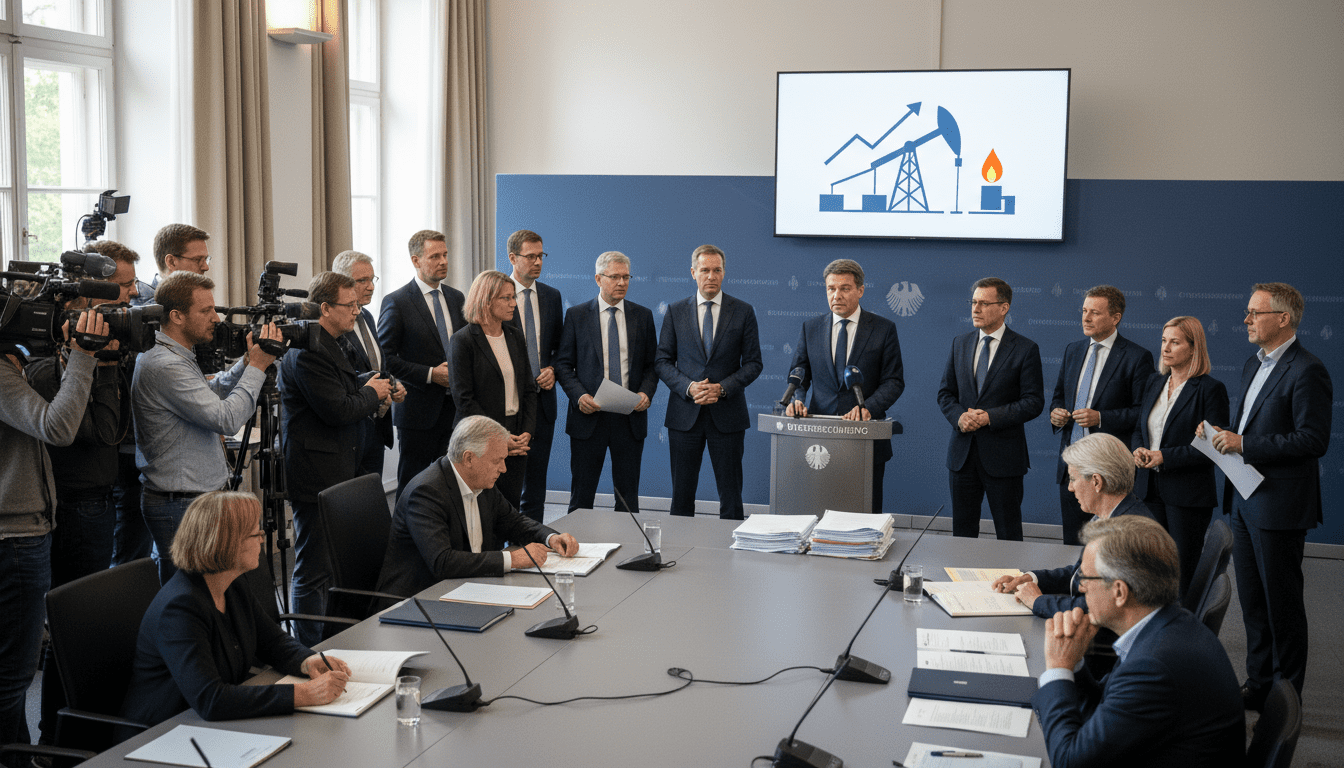
Germany’s draft to repeal the Heizungsgesetz signals major shift in heating policy
Draft law would allow new oil and gas boilers again while mandating low‑carbon fuel blends and expanding subsidies for heat pumps.
The coalition government has presented a draft to repeal the controversial Heizungsgesetz and replace it with a so‑called Gebäudemodernisierungsgesetz, a move that would reopen the market for new oil and gas boilers while imposing new conditions on fuel and costs. The draft, submitted as a Referentenentwurf, is slated for cabinet consideration next week and is expected to be debated in the Bundestag before the summer recess. The proposed changes are framed by the government as a balancing act between reversing strict bans and accelerating the broader switch to low‑carbon heating.
Coalition abandons Habeck-era restrictions
The draft marks a clear reversal of policies introduced by the previous administration that limited installation of fossil fuel heating systems. Those rules, often referred to in public debate as the “Heizhammer,” were highly contentious and became a symbol of intrusive energy regulation to many homeowners. The new coalition, formed by CDU/CSU and SPD, argues the change restores personal choice and eases immediate supply constraints while keeping climate goals on the agenda.
Renaming the law and the rationale behind it
Under the draft the Gebäudeenergiegesetz would be retitled the Gebäudemodernisierungsgesetz, a semantic shift that reflects a broader policy emphasis on modernisation rather than strict fossil‑fuel phaseouts. Officials behind the proposal say the new name signals flexibility: owners would again be permitted to install oil and gas boilers, but the government will require accompanying measures meant to reduce carbon intensity. Lawmakers who support the draft portray this as a pragmatic compromise to reconcile climate targets with political and economic realities.
New permissions and fuel‑mix obligations
A central element of the draft is the legitimisation of new fossil fuel boilers provided they meet new fuel‑mix obligations intended to lower their effective emissions. The text requires that fossil fuels be blended with climate‑friendly alternatives, a measure designed to reduce net CO₂ output even when conventional boilers remain in use. Early assessments by industry observers indicate that obligatory blending will raise running costs for consumers, a factor the government accepts as part of a phased transition.
Financial impacts for homeowners, landlords and tenants
The draft also adjusts who bears particular heating costs, with direct consequences for households and the rental market. Homeowners will still be eligible for state grants to support electrified heating options such as heat pumps and other renewable systems, a continuation of existing incentive programs intended to accelerate decarbonisation. At the same time the proposal tightens landlord obligations: from 2028 landlords would be required to cover half of network charges and CO₂ costs, a change that critics warn could be passed through to tenants in increased rents and service charges.
Subsidies and incentives remain central to uptake
To encourage a shift away from fossil fuels, the draft keeps and expands financial support for switching to low‑emission technologies, particularly heat pumps and building‑level electrification. The government plans to make subsidies accessible to homeowners contemplating replacement or retrofits, arguing that targeted incentives will speed investment and lower long‑term household energy bills. Analysts say the effectiveness of those measures will depend on the size and speed of funding, regulatory clarity, and the availability of installers and grid capacity.
Political and market debates ahead
Parliamentary debate is expected to be vigorous, with critics on the left arguing the draft undermines necessary climate action and opponents on the right saying it does not go far enough to protect consumers from rising costs. Industry groups have signalled mixed reactions: manufacturers of fossil fuel boilers welcome restored market access, while heat pump producers and energy efficiency advocates stress that the economics must favor low‑emission options to meet Germany’s climate commitments. Observers note that the exact impact will hinge on implementing regulations, defined blending ratios, and the design of subsidy programs.
The government’s draft transforms the contours of Germany’s heating transition by combining renewed permission for fossil systems with binding requirements to lower their carbon footprint and stronger financial support for renewables. As the cabinet and Bundestag consider the text in the coming weeks and months, homeowners, landlords and tenants will be watching closely for the final rules that will shape investment choices and household energy bills for years to come.
