
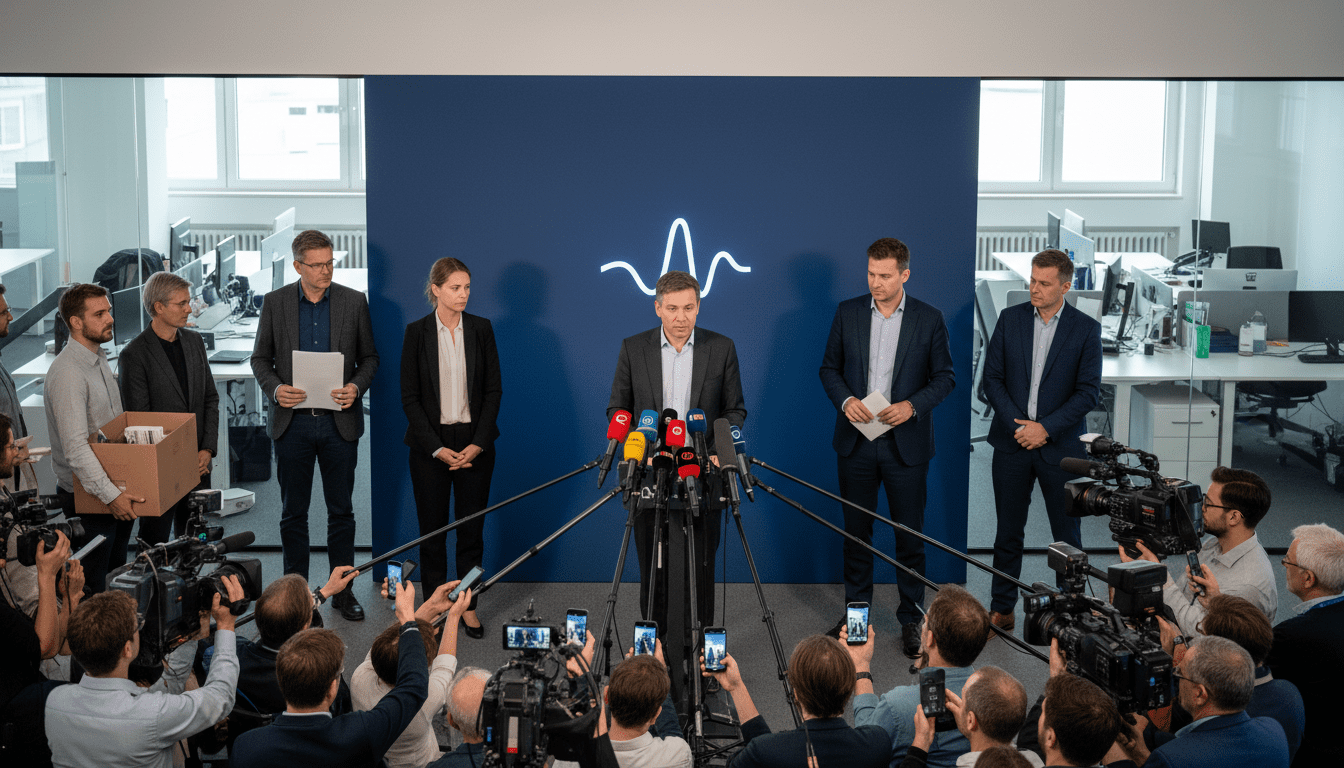
DeepL layoffs: Cologne AI firm to cut 250 jobs as CEO cites structural shift driven by artificial intelligence
DeepL layoffs: Cologne-based AI company will cut 250 positions as CEO Jarek Kutylowski says restructuring is needed to remain competitive in the evolving AI landscape.
DeepL has announced plans to cut 250 jobs as part of a company-wide restructuring, CEO Jarek Kutylowski said in a LinkedIn post. The Cologne-founded firm, known for its neural machine translations, said the reductions are intended to adapt the organisation to a “structural” change in how work is done because of artificial intelligence. Details on the timing and which teams will be affected have not yet been released.
Company statement and leadership rationale
In his LinkedIn message, Kutylowski described the decision as the most difficult of his career and framed it as necessary for DeepL to stay at the forefront of AI development. The statement emphasized that shifts in the nature of work and staffing needs require organisational realignment rather than a short-term cost cut. The company did not provide a detailed breakdown of affected departments, severance arrangements, or a timeline for the reductions.
Kutylowski’s announcement was placed amid reassurances that DeepL aims to preserve its product and research momentum, even as it reduces headcount. The move comes as part of a broader restructuring that leadership portrayed as forward-looking, intended to position the company for efficiency and sustained competitiveness in rapidly changing markets for AI-powered language tools.
Rapid revenue growth accompanied by fast headcount expansion
DeepL’s commercial performance has shown rapid growth in recent years, with revenue rising from €55.1 million in 2022 to €156 million in 2024. That sales momentum was driven in part by the firm’s early investment in its own neural network architectures, which yielded translation quality that outpaced some major competitors. The revenue surge coincided with aggressive hiring to scale products and operations.
Headcount expanded substantially alongside revenue growth. The company reported 271 employees in 2022 and 634 full-time staff by the end of 2024, with a wider total of 972 workers when including part-time employees, student workers, and interns. Public filings and company disclosures indicate that the workforce has since climbed to more than 1,000 employees, underscoring how quickly the organisation scaled before the current cutbacks.
Financial pressures despite large financing rounds
Despite robust top-line growth, DeepL has continued to report losses. The firm’s balance sheet for 2024 showed a net loss of €75 million and a capital reserve of €125 million. Personnel expenses were a significant line item, totaling nearly €74 million in 2024, which included around €11 million attributed to employee stock option plans. Those costs have weighed on profitability even as revenue rose.
DeepL secured substantial external financing in recent years, including a roughly €300 million investment round in May 2024. In addition, the company entered a loan agreement with investment manager BlackRock on 26 June 2025 for nearly €85 million, of which €40 million was immediately drawn to support operations and strategic initiatives. Company filings show ambitious targets for 2025, including mid-double-digit-million revenue increases and a goal of achieving a slightly positive operating cash flow, but the business continued to “burn” cash as it invested in growth.
Operational rationale tied to AI-driven change
Leadership framed the staff reductions as a response to a fundamental, AI-driven reorganisation of work rather than a temporary retrenchment. Kutylowski argued that artificial intelligence is changing which tasks require human input, who performs them, and how many people are needed to deliver high-quality results. The company presented the cuts as a structural adaptation intended to align resources with the evolving product and engineering requirements of a company focused on AI.
That rationale reflects a broader industry pattern where AI adoption reshapes workforce composition and operational priorities. DeepL’s decision highlights the tension between scaling teams rapidly to capture market opportunity and later recalibrating staffing once automated capabilities and product priorities evolve.
Implications for German AI sector and translation market
DeepL has long been regarded as a flagship German AI success story, at times valued at roughly $2 billion and positioned among the country’s most prominent pure-play AI companies. Its translation technology, developed before the launch of major conversational models, won early acclaim for quality and helped the company win business from international customers. The announced layoffs will therefore draw attention across Germany’s startup and AI communities as an indicator of how local firms manage growth and cost discipline.
Market observers note that the restructuring could lead DeepL to concentrate resources on core AI research and high-value product lines while trimming roles that are most affected by automation. The move may also prompt other European AI firms to evaluate staffing and cost structures as investors press for clearer paths to profitability.
DeepL has said it will provide additional information to affected employees and the public as the restructuring progresses, stressing that the decision was taken to secure the company’s long-term competitiveness in AI. The timing and scope of follow-up announcements remain to be seen, and the firm’s ability to translate restructuring into improved margins and cash flow will be a central watchpoint for investors and customers alike.
