
Germany to Seek Purchase of Tomahawk Missiles After U.S. Declines Basing
Germany to seek purchase of Tomahawk missiles and Typhon launchers from the U.S. after Washington declined basing; Pistorius may press the case in Washington.
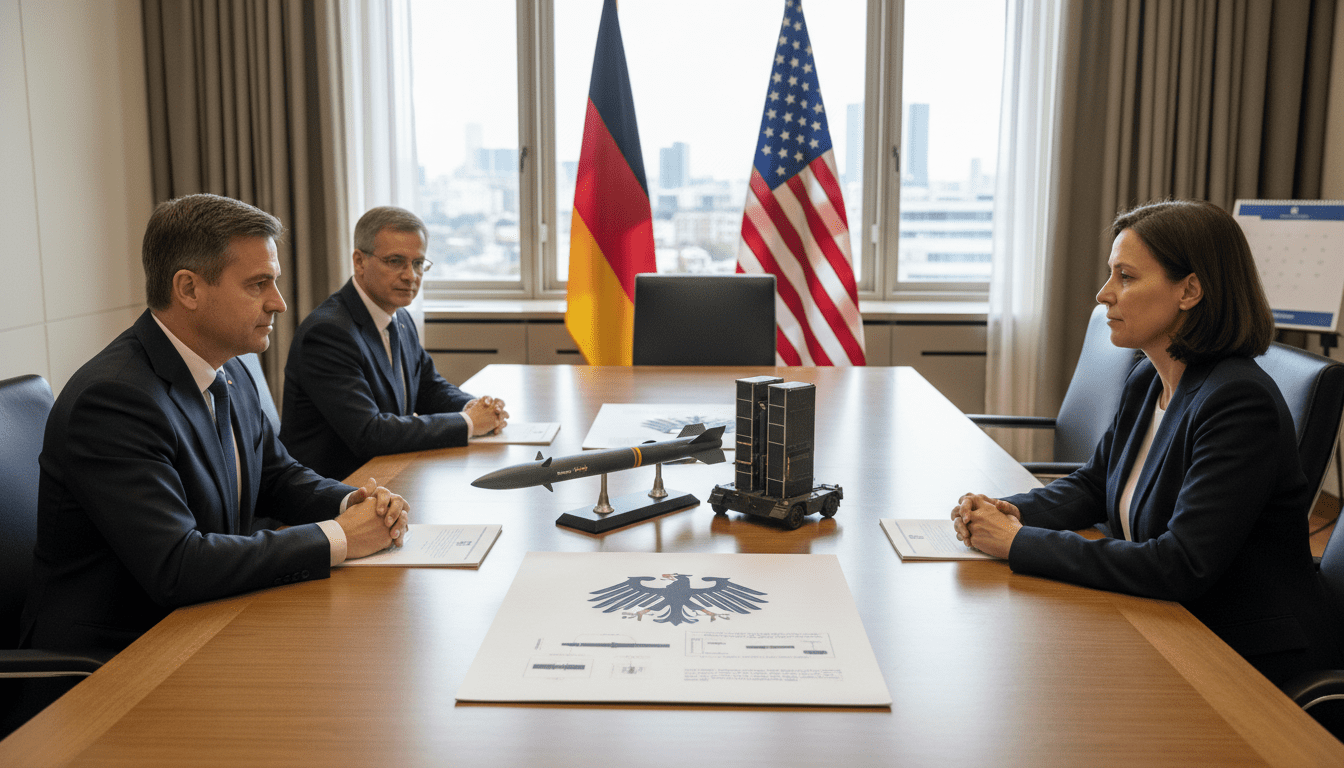
Germany will press the United States to sell Tomahawk missiles and an associated Typhon ground-launch system after Washington declined to station the cruise missiles on German soil, according to a report citing government insiders. The move follows a July request by Berlin to acquire the Typhon launcher, which the U.S. has not yet answered, The Financial Times reported. Defence Minister Boris Pistorius is reportedly preparing a visit to Washington to advocate for the purchase as Berlin seeks to close a growing long-range strike gap.
Germany to request direct purchase of Tomahawk systems
Germany’s government has shifted from seeking basing agreements to pursuing a direct acquisition of Tomahawk missiles, the report said. Officials hope that buying the missiles together with the Typhon launcher would provide an immediate capability without the political complications of deployment. The approach reflects a pragmatic response after a U.S. refusal to host the weapons, and it aims to preserve Germany’s ability to field long-range, land-attack cruise missiles while European systems are developed.
Boris Pistorius plans Washington talks to advance deal
Defence Minister Boris Pistorius is said to be preparing a trip to Washington to make Germany’s case for the purchase in person. The visit would be intended to press the U.S. government for a sale and to discuss delivery and support arrangements for the missiles and launcher. Officials conveyed to the press that a formal answer to Berlin’s July request for the Typhon system has not yet been provided by the American side.
Meeting with U.S. interlocutors faces diplomatic uncertainty
The planned visit hinges on whether Pistorius can secure a meeting with U.S. officials, including Pete Hegseth, the report said, and diplomatic friction complicates scheduling. Relations between President Donald Trump and Chancellor Friedrich Merz have reportedly cooled amid tensions surrounding the conflict with Iran, which could limit high-level access. At the time of the report, neither the White House, the U.S. Department of Defense nor the German Defence Ministry had issued public comments on the negotiations.
Officials highlight a capability gap in land-based strike
German authorities have described the U.S. decision not to base Tomahawk missiles in Germany as creating a gap in the country’s long-range strike capability. The missiles had been considered a stopgap measure until European partners deliver indigenous long-range systems, making the proposed purchase an interim solution. Defence planners view Tomahawk-class cruise missiles as a mature, long-range option that can fill current shortfalls while multinational development programs continue.
U.S. inventories and production constraints factor into talks
The U.S. Department of Defense earlier announced a seven-year contract with Raytheon to expand Tomahawk production, but officials say American stocks have been heavily drawn down by the conflict with Iran. That reduction in inventories may affect Washington’s ability to supply allied requests quickly and could influence delivery timelines and pricing. Any German purchase would therefore need to consider production schedules, transfer approvals and logistical support for the Typhon ground-launch system.
Procurement and political questions ahead for Berlin
If Washington agrees to sell, Germany will face technical, logistical and legal steps to integrate the Tomahawk and Typhon systems into its armed forces and to secure necessary export and transfer approvals. Berlin will also need to clarify operational concepts, basing arrangements for the launcher, and maintenance and training requirements with U.S. partners. Lawmakers and defence planners are likely to scrutinize costs and timelines as part of the broader debate over how quickly Germany can close its long-range strike shortfall.
Germany’s move to seek a direct purchase underscores the urgency officials place on restoring a shore-based long-range capability while European alternatives remain in development. The outcome of the forthcoming diplomatic outreach to Washington will determine whether the Tomahawk and Typhon can be acquired as a near-term remedy or whether Berlin must accelerate investment in a European replacement program. The negotiations — and any subsequent approvals — will shape Germany’s defence posture for years to come.
