
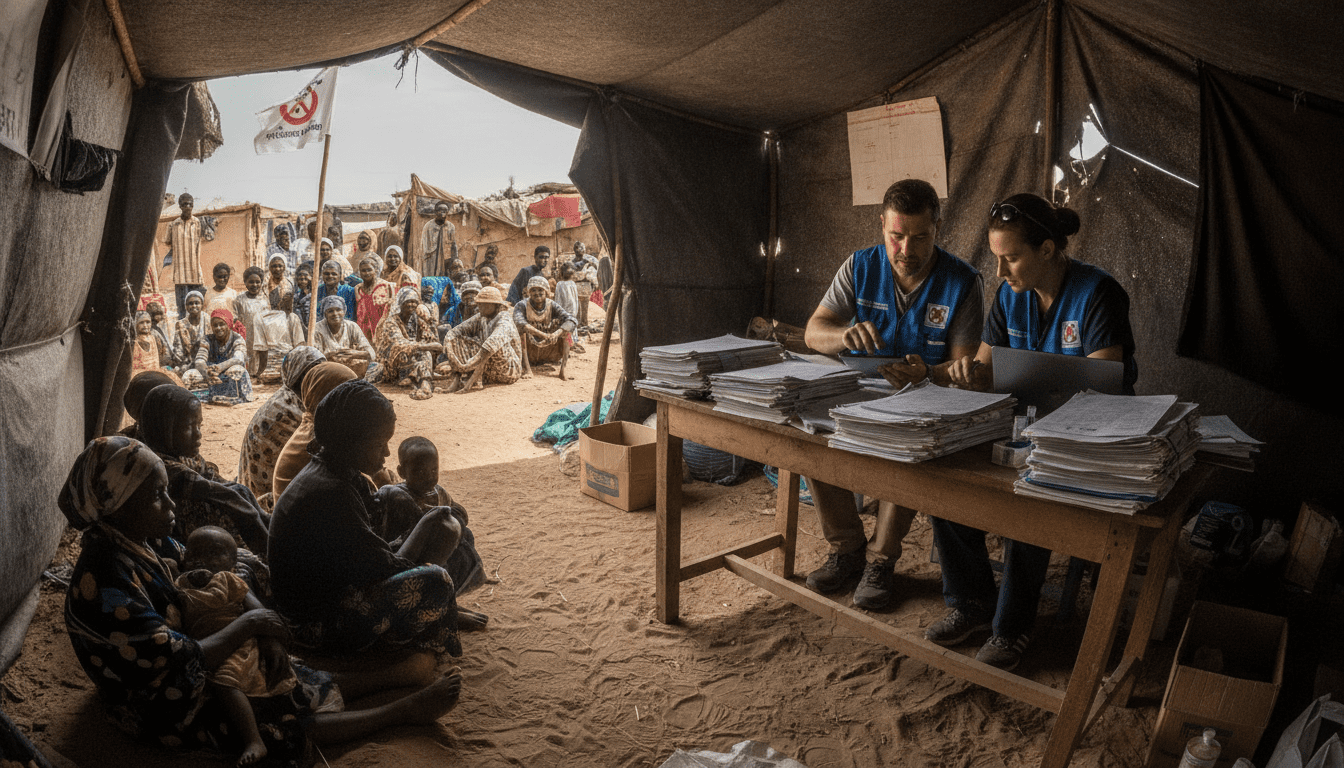
MSF exploitation in Chad: internal report finds staff traded aid and jobs for sex
MSF exploitation in Chad revealed in an internal report that 59 allegations — including trading food and jobs for sex and abuse of underage girls — occurred in refugee camps.
An internal investigation by Doctors Without Borders (MSF) completed in July 2025 found 59 separate allegations of sexual exploitation, abuse and harassment by local and foreign staff working in Chad’s refugee response. The organisation says it dismissed 18 staff members and barred them from future employment, while acknowledging survivors were often reluctant to come forward. MSF described the document as a candid assessment of where its systems failed to protect vulnerable people.
Internal probe finds 59 allegations
The report catalogues allegations that range from sexual harassment to the exploitation and abuse of refugees, including minors. MSF says the inquiry began in 2024 and identified cases involving both Chadian staff and international personnel attached to its operations in eastern Chad. Investigators concluded the number of recorded incidents likely understates the scale of the problem because many survivors feared repercussions if they reported.
MSF states the internal review was finalised in July 2025 and has been circulated within the organisation to guide changes. Of the 59 allegations, 18 staff members were dismissed and placed on internal exclusion lists, according to the report. The organisation also acknowledged that, in several instances, survivors who reported abuse did not receive adequate follow-up or assistance after speaking up.
Patterns of exploitation in refugee settlements
The internal account details a pattern in which assistance and employment in camps were leveraged to extract sexual favors from refugees. In multiple cases, officials and workers are alleged to have traded food, jobs or access to services for sex. The report also documents troubling instances in which underage girls were targeted, sometimes under the pretext of work opportunities.
One case described in the investigation involves seven girls hired for daily tasks who were transported in an MSF vehicle under the stated pretext of water distribution and construction work. According to the findings, they were taken to a different location and faced sexual requests and abuse. Such episodes illustrate how the combination of displacement, dependence on aid and lack of oversight can create environments ripe for exploitation.
Survivors’ fears and barriers to reporting
MSF’s investigators found that fear of losing crucial assistance led many survivors to remain silent, a dynamic common across humanitarian crises. Refugees dependent on food aid, shelter or work were often reluctant to risk jeopardising their already precarious access to services by reporting misconduct. The report also notes cultural and power imbalances that further inhibited disclosure.
Where complaints were made, the inquiry found gaps in protection and follow-up support. Some survivors who reported incidents did not receive timely medical, psychosocial or legal assistance. Investigators concluded that weak reporting mechanisms and insufficient confidentiality measures contributed to under-reporting and limited redress for victims.
Disciplinary measures and limits to accountability
MSF took internal disciplinary action against dozens of staff, dismissing 18 people and barring them from future employment with the organisation. The report acknowledges, however, that MSF could not identify every individual involved in alleged abuses because of the fluid movement of people and the scale of operations. The organisation employs tens of thousands of staff across numerous countries, complicating tracing and accountability in some cases.
The document says MSF has placed people on exclusion lists and tightened hiring and vetting procedures in affected locations, but it also admits structural constraints. Investigators warned that short-term contracts, reliance on local intermediaries, and weak local justice systems limit the ability to pursue criminal accountability in many settings.
MSF response and planned reforms
In its response, MSF characterised the report as a candid internal analysis and expressed regret for the harm caused, calling the allegations a breach of its values. The organisation outlined steps it says it has taken to improve prevention and response, including additional training for staff, strengthened supervision, and the establishment of confidential reporting channels. MSF also said it has increased resources in Chad aimed at preventing abuse and improving victim support.
Despite these measures, the report notes they “did not have a lasting impact” in some locations, prompting a pledge for more sustained reforms. MSF signalled it would refine detection mechanisms, expand survivor-centered assistance and work to ensure investigations are more independent and better resourced.
Conflict-driven displacement and operational pressures in eastern Chad
The abuses documented in the report occurred amid a large-scale displacement of Sudanese civilians into eastern Chad as the conflict in Sudan entered its fourth year. Hundreds of thousands have fled violence and sought refuge in camps where humanitarian groups, including MSF, are major providers of medical care and basic services. The sheer scale of need has placed intense operational pressure on aid organisations operating in remote and under-resourced settings.
Those operational strains — overlapping with weak local oversight and the involvement of multiple actors, including security forces — have compounded protection risks. MSF’s report underscores how chronic crisis conditions can erode safeguards and create opportunities for exploitation when accountability systems are not robust.
The internal report has prompted renewed calls from humanitarian actors and donors for independent investigations, stronger survivor support, and wider sector reforms to prevent abuse in crisis responses. The document places fresh scrutiny on the aid sector’s ability to police itself and protect people who depend on assistance in conflict-affected regions.
