
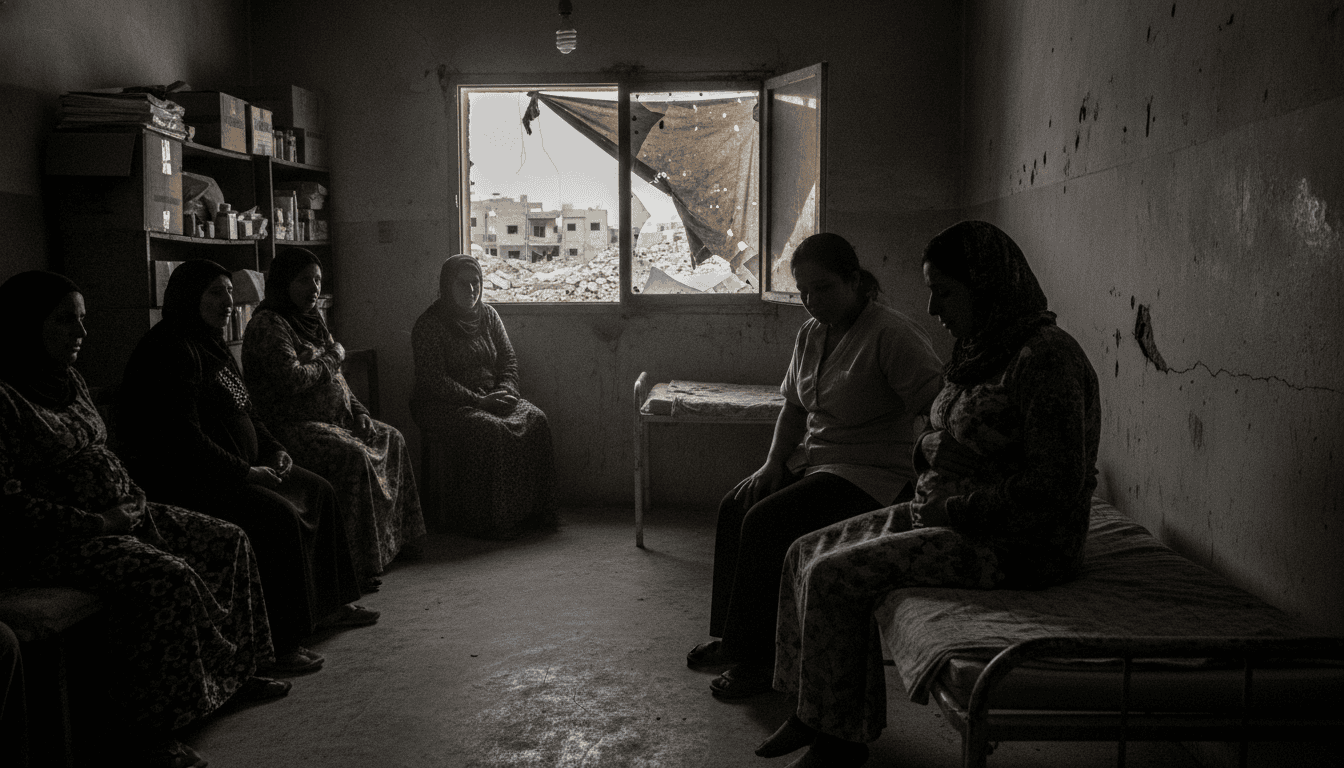
Surge in Miscarriages in Gaza as Conflict, Blockade and Health System Collapse Strain Mothers
Surging miscarriages in Gaza tied to conflict, displacement and a collapsing health system. Doctors report rising pregnancy losses, shortages and maternal harm.
Women across Gaza are reporting a sharp rise in miscarriages and pregnancy complications linked to the prolonged conflict, repeated displacement and the near-collapse of medical services. Medical officials and maternity teams say these miscarriages in Gaza reflect a combination of malnutrition, psychological trauma and a lack of emergency obstetric care. Patients and clinicians alike describe a pattern of repeated losses that began after the October 2023 offensive and has persisted through intermittent fighting and blockade-related shortages.
Surge in clinical cases reported by hospitals
Maternity wards in central Gaza and other governorates have recorded a steady increase in pregnancy losses since late 2023, according to staff at al-Awda Hospital and other facilities. Dr Yasser Saadeddine, the hospital’s maternity director, told medical teams that roughly 70 percent of the pregnancy losses his staff treat are associated with war-related conditions and the blockade. Doctors report more fetal deaths in utero, premature births and severe complications that previously had been rare at scale.
Clinicians attribute the spike not to a single cause but to overlapping factors: prolonged hunger, exposure to toxic dust and fumes from bombardments, interrupted prenatal care and the psychological toll of recurrent displacement. Hospitals are also operating with acute shortages of medicines, oxygen, incubators and staff, which clinicians say has worsened outcomes for pregnant women and newborns.
Personal tragedies highlight wider trend
Firsthand accounts from women in Deir el-Balah and Gaza City mirror the clinical data, revealing how the crisis translates into repeated personal losses. One woman, who was displaced several times, lost three pregnancies after prolonged exposure to air strikes, lack of clean water and chronic food shortages, and sold family valuables to buy medicines recommended by doctors. Another mother said her newborn had died inside her womb for a month because the health services she needed were unavailable during and after the collapse of local facilities.
Other families recounted premature deliveries under fire, infants born at extremely low weight and separations caused by chaotic evacuations. A woman who delivered by emergency C-section gave birth to a son weighing just 1.1kg; the infant spent more than a month in an incubator while his family moved south and communications with the hospital were intermittent. Such stories, clinicians say, are now frequently presented in emergency rooms.
Hospitals strained by fuel, supplies and staff shortages
Beyond direct combat injuries, Gaza’s hospitals have repeatedly suspended or scaled back services when fuel, generators and medical supplies ran out, complicating maternity care. Al-Awda Hospital and other facilities reported periods when generator fuel was depleted, forcing operations to be limited and complicating the provision of continuous neonatal support. Those operational interruptions, physicians warn, increase the risk of fetal death and newborn complications when timely interventions are unavailable.
Staffing shortages compound these issues. Many experienced clinicians have been displaced, injured or unable to reach hospitals, leaving fewer specialists to manage high-risk pregnancies. The lack of sterile supplies, blood products and essential drugs such as anticoagulants and antibiotics means that conditions that would normally be treatable now escalate into life-threatening emergencies for mothers and babies.
Medical drivers: malnutrition, stress and environmental hazards
Doctors treating pregnant women in Gaza point to malnutrition and severe psychological stress as primary drivers behind the rise in miscarriages. Prolonged food shortages have reduced access to adequate prenatal nutrition, and mental health professionals report widespread anxiety and post-traumatic symptoms among expectant mothers. Clinicians link these biological and psychological pressures to increases in placental complications, premature labor and fetal demise.
Environmental contamination from repeated bombardments, including dust, debris and potential toxins, is another concern cited by clinicians. Several women described inhaling fumes during strikes or becoming trapped under rubble, experiences medical staff say can trigger hemorrhage, placental abruption and other acute obstetric complications. Together, these factors create a high-risk environment for pregnancies at every stage.
Long-term consequences for maternal and neonatal health
Health experts warn that the current patterns of pregnancy loss and neonatal harm will have lasting repercussions for Gaza’s population health if basic services are not restored and humanitarian aid scaled up. Repeated miscarriages and traumatic childbirth experiences undermine maternal mental health and reduce the capacity of local systems to support future pregnancies. Neonatal survivors born prematurely face ongoing risks of developmental and health challenges without sustained neonatal care.
Advocates and clinicians are calling for unfettered humanitarian access to deliver food, clean water, fuel for hospitals and specialized maternal and neonatal supplies. They stress that restoring routine prenatal care and emergency obstetric capacity is essential to reversing the trend of rising miscarriages in Gaza and preventing further avoidable deaths among mothers and infants.
The women and families who have lost pregnancies describe grief that stretches beyond any single hospital visit; for many, the trauma endures with each subsequent pregnancy and with every memory of interrupted care. Restoring maternal services and uninterrupted humanitarian relief, clinicians say, is critical to halting the surge in miscarriages and rebuilding prospects for safe childbirth across Gaza.
