
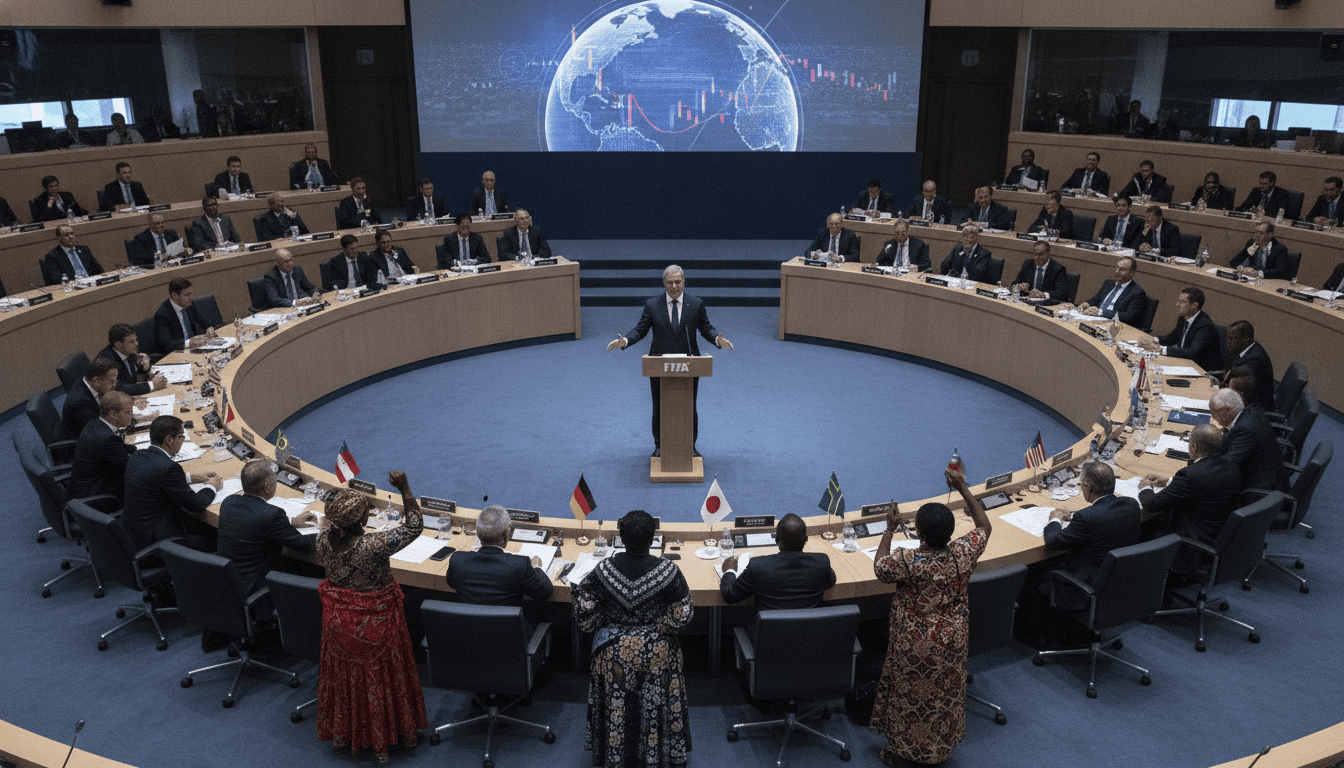
FIFA World Cup sale plan ignites global media backlash over private investment proposal
FIFA World Cup sale proposal ignites global outcry as media accuse the governing body of privatizing the tournament by selling stakes to private investors.
The FIFA World Cup sale proposal announced this month has provoked a cascade of international criticism, with major outlets across Europe and the Americas denouncing the governing body’s plan to sell minority stakes in the tournament to private investors. The announcement, which followed the recent World Cup final, prompted headlines describing the initiative as a shocking and potentially transformative shift in how the event is financed and governed. Critics say the move risks eroding public stewardship of the sport, while supporters argue it could unlock billions for development and smaller federations.
International press voices the alarm
Newspapers from Argentina to Norway reacted sharply, casting the proposal in stark terms. Headlines ranged from accusations of a “shameless sale” to warnings that the plan could represent an existential threat to the sport’s traditional governance.
Several outlets framed the disclosure as explosive political news, citing reports that suggested figures with close ties to powerful private interests could benefit. Media in Switzerland and the United Kingdom highlighted potential conflicts of interest and the involvement of well-known business figures as central to the controversy.
Accusations of privatization and conflict
British and European outlets asked whether a global sporting public asset should be partially privatized, questioning who would control the World Cup’s future commercial and sporting decisions. Commentators in the UK called the idea “shameful” and likened it to selling off a public trust.
In parallel, reporting has emphasized a brewing institutional clash with UEFA and its leadership, with European officials publicly signaling strong reservations about the proposal’s implications for continental competition and governance structures.
Alleged links to the Trump family intensify scrutiny
Swiss and Argentine coverage placed particular focus on reports that members of the Trump family or their associates could be involved with investor groups emerging around the proposal. Those reports have sharpened political scrutiny, compounding concerns about transparency and reputational risk.
Journalists noted how allegations of high-profile private involvement transformed a technical commercial initiative into a broader political flashpoint, prompting demands for clearer disclosure from FIFA about partners, terms and safeguards against conflicts of interest.
FIFA’s justification and development pitch
FIFA officials, according to several outlets, have framed the initiative as a means to secure long-term funding for football development, particularly for smaller national associations that receive limited revenue from current commercial models. Proponents argue that a capital injection could expand grassroots programmes and infrastructure in under-resourced regions.
Supportive commentary has suggested the deal would not transfer controlling rights and could be structured to protect sporting integrity while delivering stable financing. Yet many commentators remain unconvinced that safeguards will be sufficient given the scale of the sums discussed.
Concerns over competition format and commercialization
Some European and South American sports pages linked the proposal to broader debates about the direction of the World Cup, including speculation over more frequent tournaments and deeper commercial exploitation. Questions about scheduling, competitive integrity and the possible prioritization of revenue over player welfare were raised repeatedly.
Italian and Spanish outlets asked whether this commercial pivot could revive contentious proposals—such as a two-year World Cup cycle—that critics argue would dilute the event’s prestige and further strain players and domestic competitions.
Institutional fallout and next steps
Observers say the coming weeks will be decisive for the fate of the FIFA World Cup sale proposal, as federations, confederations and national governments weigh in. UEFA’s pronounced objections have already signaled the potential for a sustained institutional dispute that may play out in public forums and governance meetings.
Calls for transparency, independent review and formal conflict-of-interest assessments are growing louder in editorial pages and among football officials. How FIFA responds—by clarifying deal terms, publishing partner identities and detailing governance protections—will shape whether the plan gains traction or collapses under political and media pressure.
The global reaction to the FIFA World Cup sale proposal underscores how deeply the tournament is embedded in national identity and public interest, not merely commercial calculus. As debates intensify, stakeholders from clubs to governments will have to decide whether reforming the World Cup’s financing can be reconciled with preserving its sporting values and public mandate.
