
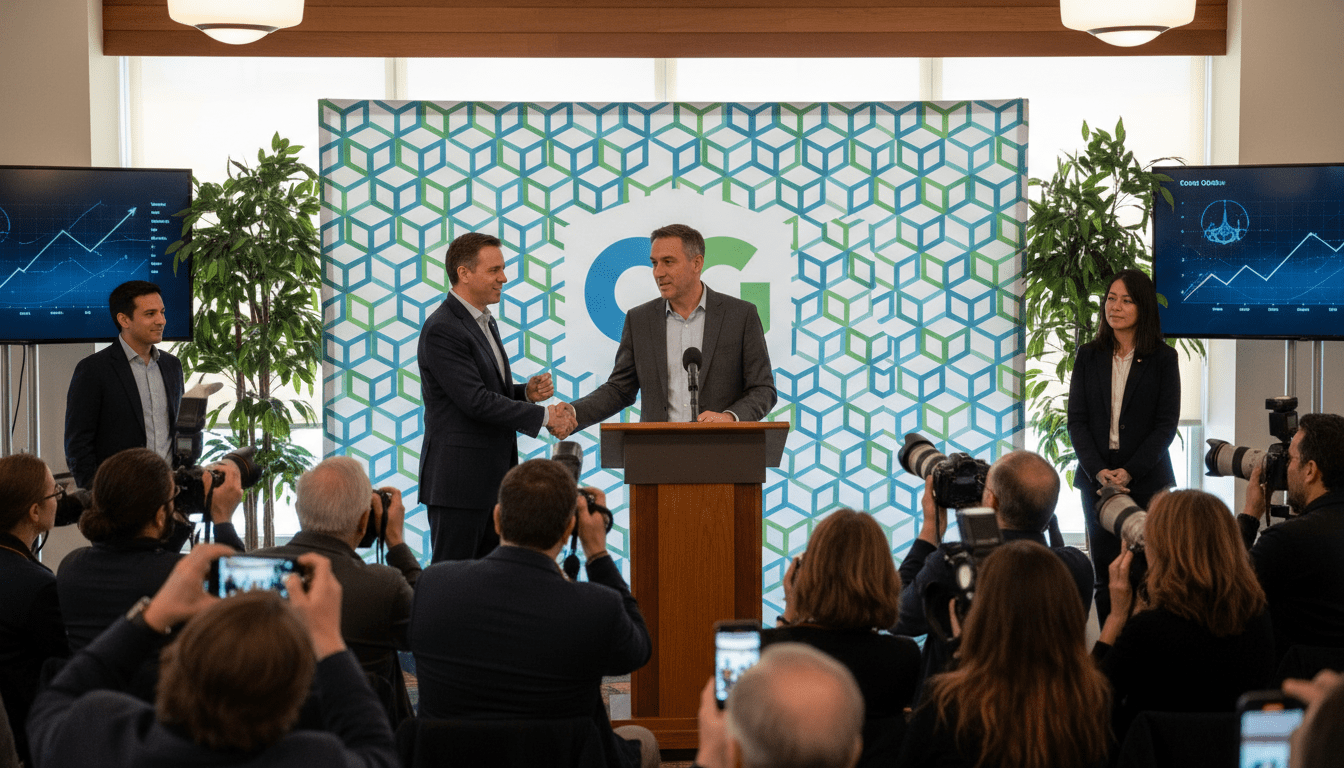
Corgi Raises $160M Series B at $1.3 Billion Valuation Led by TCV
Corgi secures $160M Series B led by TCV at a $1.3B valuation, bringing total funding to $268M as YC-backed firm expands business insurance for tech companies.
Corgi announced a $160 million Series B round on Wednesday, valuing the business-insurance startup at $1.3 billion and cementing its status as a Y Combinator-backed unicorn. Co-founder Nico Laqua disclosed the financing on LinkedIn, saying the round was led by growth investor TCV and included participation from existing and new backers. The company, founded in 2024 and part of YC’s Spring 2024 cohort, now reports total capital raised of $268 million after a $108 million Series A just four months earlier.
Details of the Series B and valuation
The Series B was led by TCV, a firm known for sizable growth investments in technology companies, with other participants including Kindred Ventures, Leblon Capital, and First Order Fund. The new financing sets Corgi’s post-money valuation at roughly $1.3 billion, according to the company’s announcement on social media. Corgi did not provide further public details about the terms beyond the size of the round and the lead investor.
Fast follow-up to a major Series A
This Series B follows an unusually rapid cadence of fundraising: Corgi closed a $108 million Series A only four months prior, bringing the company’s total disclosed funding to $268 million. The quick succession of rounds underscores strong investor appetite for startups that can package insurance for modern technology and AI-related risks. Rapid capital raises at this stage are often aimed at accelerating product development and underwriting capacity to meet demand.
Product lineup and risk coverage
Corgi sells policies tailored to technology companies, including general liability, cyber liability, and coverage addressing technology and artificial intelligence exposures. These product lines reflect emerging needs among firms that face complex operational, security, and AI-governance risks. By offering specialized policies, Corgi positions itself to underwrite risks that traditional carriers may find difficult to price or manage.
Customer base and market traction
Corgi names customers such as Deel and Artisan among its early commercial accounts, signaling traction with high-growth and distributed-workforce companies. Securing such clients helps demonstrate the startup’s ability to tailor products for businesses with modern operations and global exposure. The company’s YC pedigree and rapid client wins appear to have boosted investor confidence in its market approach.
Founders and company background
Nico Laqua and Emily Yuan launched Corgi in 2024 and entered Y Combinator’s Spring 2024 accelerator, leveraging the program’s network as they built the business. The founding team has focused on automating underwriting and policy administration for tech firms, aiming to reduce friction and speed coverage placement. Public announcements by the founders have been the primary source of fundraising information to date.
Investor rationale and market context
Investors have increasingly targeted insurtechs that can combine data, automation, and specialized underwriting to serve sectors with unique exposures. The rise of cyber incidents and the growth of AI-related product liability have created demand for tailored policies that standard carriers may not readily offer. For firms operating in fast-moving technology markets, access to bespoke insurance products can be a strategic enabler for scaling operations and managing risk.
Corgi did not immediately respond to requests for comment about how it plans to deploy the proceeds, but the company’s dual focus on tech and AI liability suggests priorities may include expanding underwriting capacity, developing new product features, and accelerating customer acquisition. With a valuation above $1 billion and significant venture backing, Corgi will enter the next phase of growth under heightened market scrutiny as it attempts to translate capital into predictable underwriting performance and policyholder retention.
