
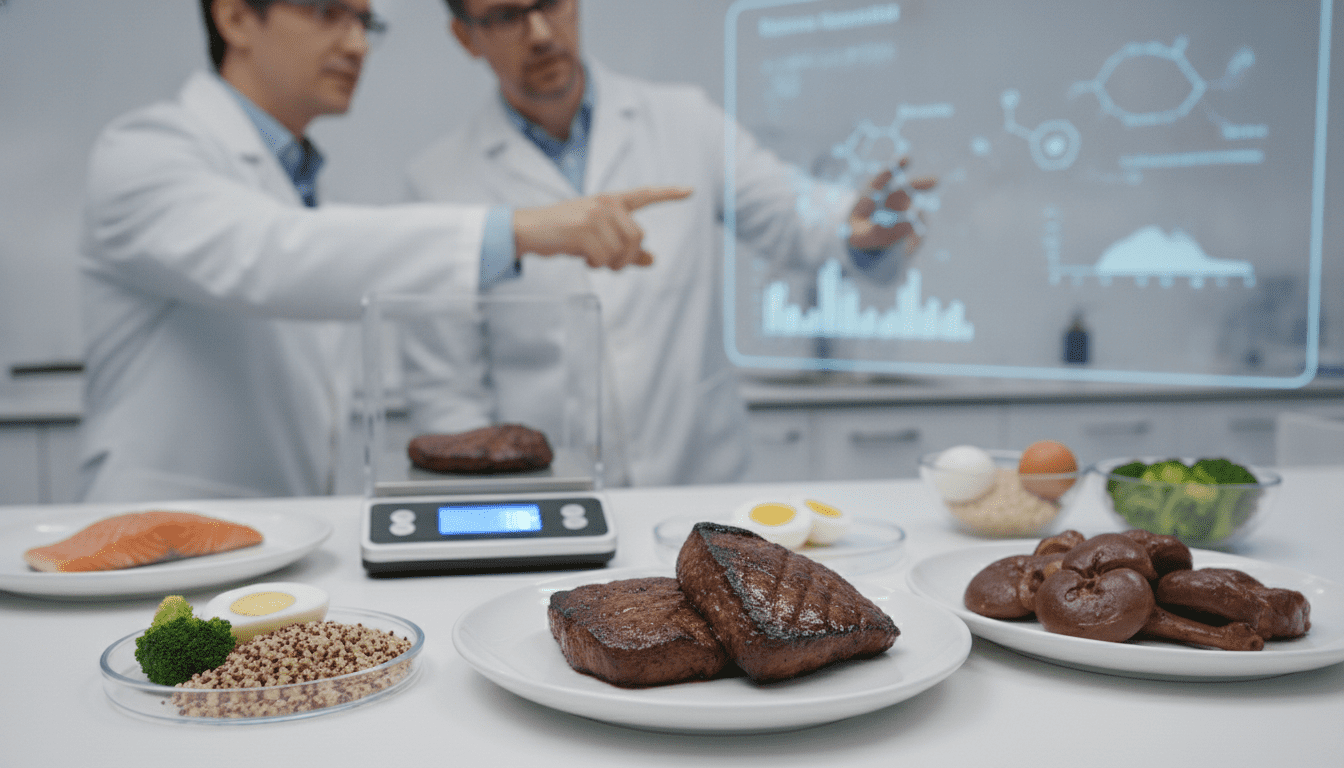
Foods high in choline: top sources from beef liver to soybeans and how to eat them
Top foods high in choline: beef liver, kidneys, chicken liver, caviar and soybeans. Serving sizes, choline amounts, health benefits, and practical eating tips.
Choline-rich foods are gaining attention as nutrition experts highlight their role in brain, liver and metabolic health, and a short list of animal and plant options can deliver large portions of the nutrient in single servings. Adults generally need about 425 mg of choline per day for women and 550 mg per day for men, and some foods on this list provide a substantial share of that amount in just a few ounces or tablespoons. Health-conscious diners and clinicians say incorporating a mix of these options can be the most practical way to reach recommended levels without supplements.
Beef liver provides 356 mg choline per 3‑ounce serving
Beef liver ranks among the most concentrated dietary sources of choline, delivering roughly 356 milligrams in a 3‑ounce cooked portion, which is about two-thirds of the daily target for many adults. In addition to choline, liver supplies high levels of vitamin A, B12, iron, zinc and folate, making it a nutrient-dense choice for those who tolerate organ meats.
Because liver is exceptionally high in vitamin A, nutrition advisors recommend consuming it in small amounts and not daily to avoid excessive intake of fat‑soluble vitamins. Practical preparations include lightly sautéing with onions, incorporating small amounts into ground‑meat recipes like burgers or chili, or blending into a pâté to stretch flavor across multiple meals.
Beef kidney tops liver at 436 mg choline per 3‑ounce serving
Beef kidneys contain even more choline per typical serving than beef liver, with about 436 milligrams in a 3‑ounce cooked portion — approaching a full day’s requirement for many adults. Organ meats such as kidneys also provide highly bioavailable iron and other micronutrients that can help address deficiencies with smaller food volumes than many standard cuts.
Chefs and home cooks often soak kidneys in milk or salted water to reduce strong flavors before pan‑frying or stewing, and adding them to casseroles can spread the nutrient boost across multiple servings. Those new to organ meats can start with mixed‑meat recipes to moderate taste while gaining choline and iron benefits.
Chicken liver supplies 246 mg and high protein in a small portion
Chicken liver delivers a notable choline punch as well, with roughly 246 milligrams per 3‑ounce cooked serving, and it tends to have a milder, slightly sweeter flavor than beef liver. The same portion provides a substantial protein dose, making chicken liver a practical option for satiety and muscle maintenance along with micronutrient support.
Cooking methods such as quick sautéing, baking or incorporating chicken livers into salads and grain bowls make them accessible for cooks who prefer less intense organ flavors. Because chicken liver retains vitamins like B12 and folate, it can serve as an entry point for people seeking the benefits of organ meats without the stronger taste profile of beef.
Caviar delivers choline with omega‑3s in a 2‑tablespoon serving
Caviar is a concentrated seafood source of choline, supplying around 157 milligrams in a 2‑tablespoon portion, and it pairs that nutrient density with high levels of vitamin B12 and long‑chain omega‑3 fatty acids. Those fatty acids — including DHA and EPA — are linked to cardiovascular and cognitive benefits, which can complement the role of choline in brain and liver function.
As a shelf‑stable luxury item, caviar is commonly used sparingly on crackers, blinis or as a garnish on cheese plates to add both flavor and a targeted nutrient boost. Because caviar is often consumed in small amounts, it can be an efficient way to raise choline intake without dramatically increasing total calories.
Cooked soybeans give 214 mg choline and plant protein per cup
For people following plant‑forward or vegetarian diets, cooked soybeans provide a significant choline source, with about 214 milligrams per cup alongside roughly 22 grams of protein and a notable fiber contribution. Soybeans and other legume products offer a pathway to meet choline needs without relying solely on animal foods, which is important for dietary diversity and personal preference.
Steamed edamame as a snack, or adding cooked soybeans to salads, grain bowls and stir‑fries, can fold choline into routine meals in an accessible way. Pairing soy with other choline sources — for example, eggs or dairy for non‑vegans — can help individuals meet recommended intakes more reliably.
Dietary choline intakes vary widely across populations, and many common foods provide partial rather than full daily amounts, making meal planning key for those targeting a specific intake. Organ meats and seafood supply the most concentrated doses, while plant choices like soybeans and eggs complement those options for a balanced approach.
People who are pregnant, nursing, or managing medical conditions should discuss choline with their healthcare provider before making major dietary changes, since needs can differ and organ meats can be high in certain vitamins and minerals. Simple strategies — rotate high‑choline foods, monitor portion sizes for liver, and combine plant and animal sources where appropriate — can help most adults meet recommended choline levels through food.
