
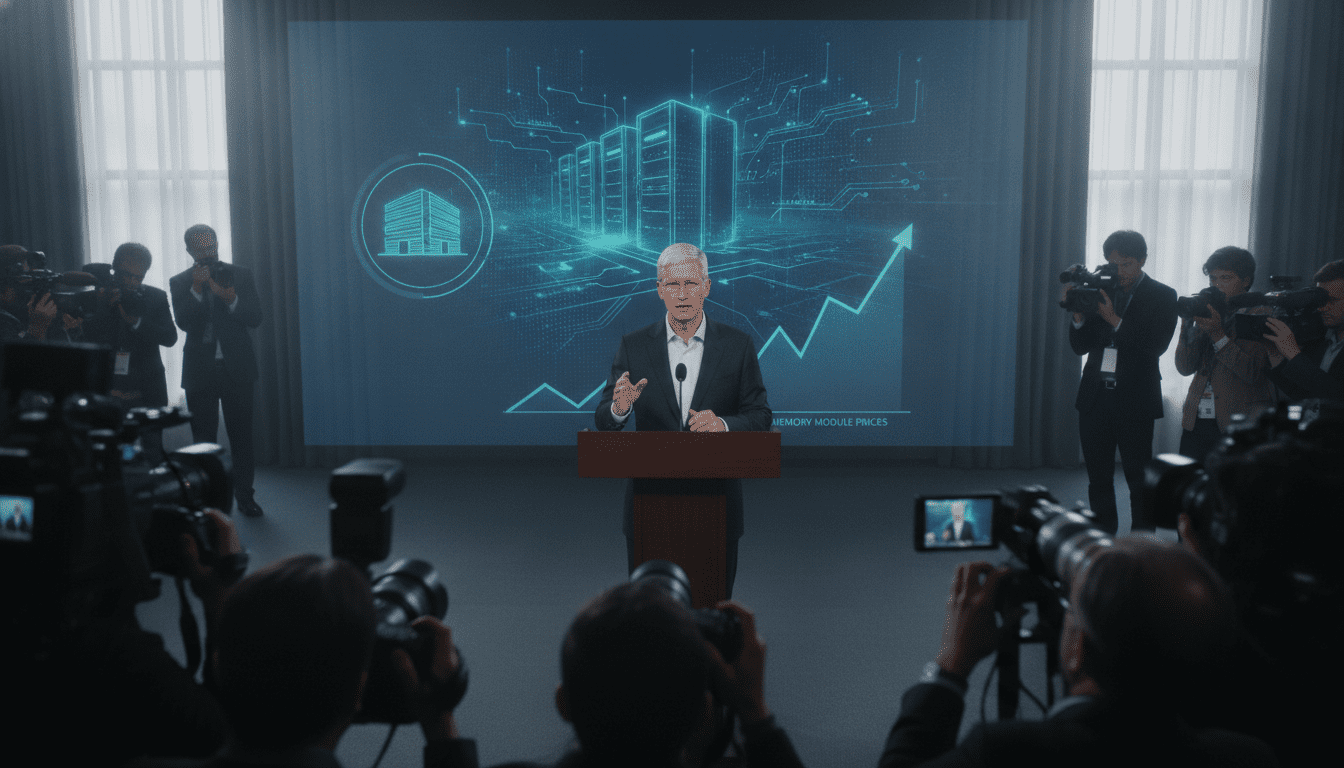
Apple Blames Memory Module Costs as AI Data Center Demand Drives Component Prices
Apple blames rising memory module costs for a supply-chain decision, citing extraordinary AI data center demand that has pushed component prices higher.
Apple said in a company statement that sharply higher memory module costs were the primary reason behind a recent supply-chain move, attributing the pressure to runaway demand from artificial intelligence data centers. The company described the situation as an “extraordinary demand surge” and said it had not seen component prices rise so quickly before. The explanation frames the cost spike as an external market force tied to the rapid expansion of AI infrastructure.
Apple’s explanation for the supply-chain move
Apple told partners and customers that the sudden rise in memory module costs left the company with limited options in procurement and product planning. Executives characterized the market as atypical, noting that the pace and scale of price increases for key components were unprecedented in recent memory. The statement positioned the company’s step as a response to market realities rather than an internal production issue.
Apple did not detail every operational consequence of the cost surge, but the company said it was working with suppliers to manage allocations and minimize disruption. Officials indicated that resolving the imbalance would require both short-term negotiation and longer-term supply adjustments. Those efforts reflect a broader industry push to stabilize component markets while maintaining product timelines.
How AI data centers are driving memory demand
The company linked the spike in memory module costs to the rapid build-out of artificial intelligence data centers, which require vast pools of high-performance memory. AI workloads, especially training large models, place heavy and sustained demand on memory capacity across servers and accelerators. The resulting competition for the same types of modules used in consumer and enterprise devices has squeezed available inventory.
Suppliers that historically served both consumer electronics and server markets have faced sudden reallocation pressures as data center orders scaled up. That dynamic has created short-term scarcity and pushed bids higher, according to Apple’s description. The company emphasized that the phenomenon was industry-wide and reflective of structural shifts in computing demand.
Potential effects on Apple products and launches
Apple warned that elevated component costs and constrained supply could affect product planning and pricing decisions across its lineup. Companies typically respond to such pressures by renegotiating contracts, adjusting bill-of-materials, or postponing launches when margins and component availability warrant. Apple’s statement suggested that the company is weighing those options while attempting to shield customers from abrupt changes.
For high-volume consumer products, even modest increases in memory pricing can translate into material cost changes at scale. Apple’s purchasing power and long-term supplier relationships may blunt immediate impacts, but sustained price pressure would force trade-offs in features or timing. The company also signaled ongoing evaluation of inventory strategies to maintain availability during the market disruption.
Wider industry and supplier responses
Memory manufacturers and server vendors are central to resolving the imbalance, but ramping production takes time and capital. Industry participants typically respond to price spikes by expanding fab output, prioritizing higher-margin products, or reallocating shipments to the most lucrative buyers. Apple’s public attribution underscores how competition from AI infrastructure customers has shifted supplier priorities in recent months.
Other device makers and original equipment manufacturers are likely experiencing similar pressures, creating a ripple effect across consumer electronics and enterprise markets. Analysts monitoring component cycles point to lead times and capital intensity in memory production as limiting factors in how quickly supply can catch up. In the interim, market participants expect continued volatility in module pricing and allocation.
What consumers and markets should watch next
Consumers may see gradual effects in device pricing, availability, or specification choices if memory costs remain elevated. Manufacturers that cannot absorb higher component prices may opt to raise retail prices, reduce memory capacity in some models, or delay product introductions. For buyers, the most immediate signals will likely be shifts in launch timing and configuration options rather than wholesale withdrawals of product lines.
Investors and industry watchers should track announcements from major memory suppliers and server buyers for signs of capacity expansion or multi-year contracts that could stabilize prices. Market indicators such as contract memory prices, supplier capital expenditure plans, and data center procurement forecasts will be key to assessing how long the pressure might last. Apple’s statement makes clear that the company expects the situation to require both short-term management and longer-term adjustments.
Apple faces the same market forces as other large technology firms, but its scale and purchasing relationships provide some buffers during the disruption. The company’s decision to publicly attribute a supply-chain move to rising memory module costs highlights the tangible effects that AI infrastructure demand is now exerting across the technology supply chain. The coming months will reveal whether suppliers can expand capacity quickly enough to ease prices and restore usual component market dynamics, and how manufacturers translate those changes into product strategy and pricing.
