
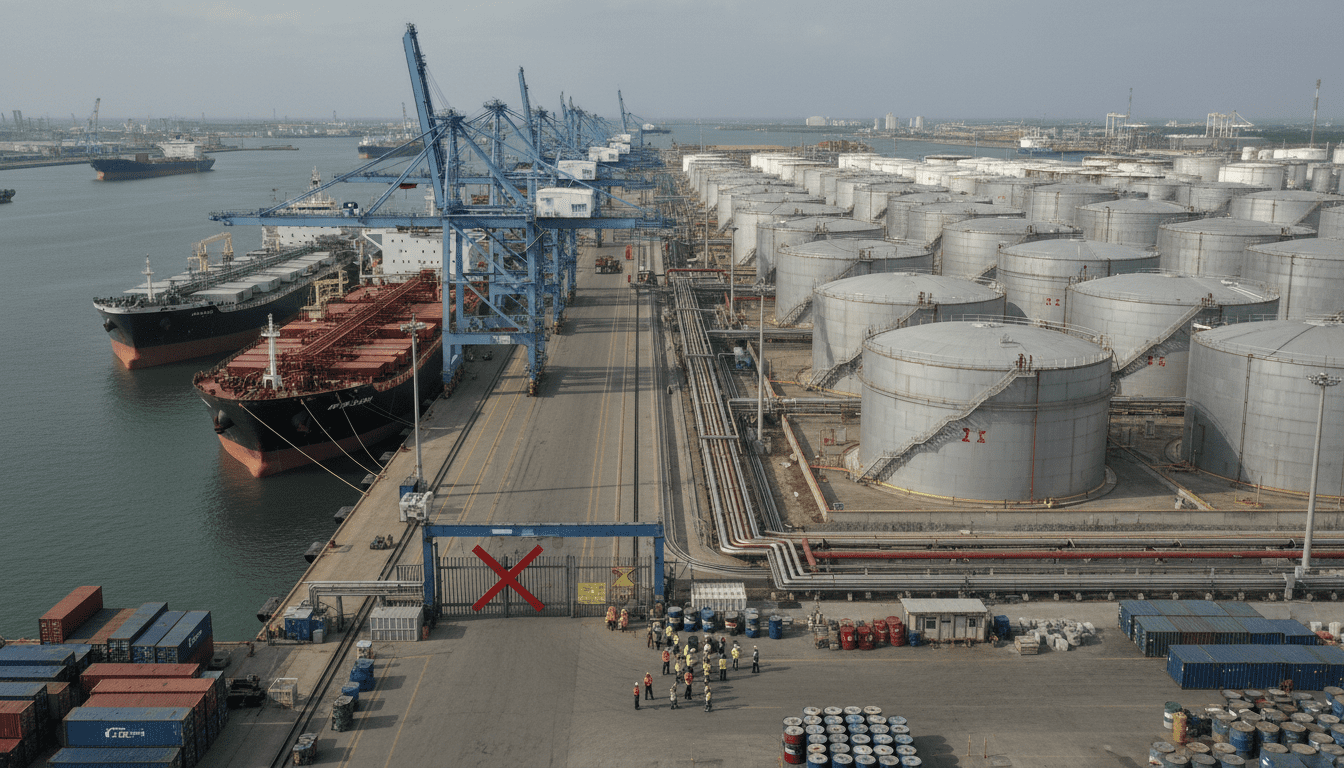
China oil exports cut deepens energy crisis as U.S. accuses Beijing of hoarding
China oil exports cut deepens energy crisis as U.S. accuses Beijing of hoarding (150–160 characters)
China oil exports figure centrally in new diplomatic rift as Washington accuses Beijing of buying and restricting fuel amid the worst global energy shock in decades.
Crisis intensifies as export controls bite
China oil exports and import behaviour have moved to the centre of an escalating international debate over the global energy supply after Beijing imposed restrictions on refined product exports in early March. International bodies including the IMF, World Bank and IEA urged governments this week not to impose export curbs or to hoard supplies, warning such measures would worsen market volatility. U.S. officials have publicly singled out China for continuing to buy large volumes of crude while limiting outbound shipments of gasoline, diesel and kerosene.
The timing of Beijing’s measures has drawn scrutiny because they followed rapidly after the outbreak of hostilities in the Middle East, which disrupted flows through the Strait of Hormuz. Analysts say China’s actions — coupled with its substantial strategic and commercial stockpiles — have amplified concerns among oil-consuming nations already coping with supply constraints and price uncertainty.
Washington’s public rebuke and diplomatic pushback
U.S. Treasury officials stepped up criticism this week, with Secretary-level comments labelling China an “unreliable global partner” in the ongoing energy emergency for continuing to accumulate supplies and restrict exports. Washington says it has raised the issue directly with Chinese counterparts and signalled tougher measures if shipments threatening allied supplies attempt to transit contested waterways. Beijing has pushed back, telling U.S. diplomats the priority must be ending military operations and de‑escalating the situation that sparked the crisis.
The public exchange threatens to complicate high-level diplomacy, with a planned trip by the U.S. president to Beijing slated in mid-May. U.S. leaders have tried to downplay the visit’s risks, but critics warn that a diplomatic calendar packed with strategic tensions could be vulnerable to disruption if maritime confrontations escalate.
Export bans and the numbers behind them
Data and industry reporting indicate that China halted approvals for refined product exports from March 4 and later expanded that stance with a broader ban on exports of gasoline, diesel and jet fuel, according to market monitors and news agencies. Chinese customs statistics already reflected the policy shift in March: exports of petroleum products fell by more than 12 percent to roughly 4.6 million tonnes, while crude inflows remained resilient and only slightly below the prior year’s level.
Market observers caution that March import figures understate the full impact of reduced flows through the Strait of Hormuz because shipments from the Middle East typically take two to three weeks to reach East Asian ports. As a result, the full consequences of the Hormuz disruptions and China’s response are expected to appear more clearly in April statistics and subsequent trade reports.
Industry perspective and market dynamics
Energy analysts point out that China’s strategic petroleum reserves are comparable in size to the combined holdings of IEA member states, giving Beijing significant firepower to influence regional supplies. Some state-owned refiners have reportedly been authorised to draw on commercial reserves, a move that could reduce export availability further while supplying domestic demand. Experts say markets are reacting not only to physical shortages but to behaviour: persistent buying by a major importer during a supply shock can distort trade flows and push prices higher for other consumers.
Those defending China’s choices argue the measures reflect a rational effort to ensure domestic energy security amid an unpredictable international environment. Others counter that unilateral restrictions create spillover effects, leaving energy-importing nations especially in Southeast Asia more exposed to price spikes and shortages.
Risks to shipping lanes and regional security
Tensions are rising over the Strait of Hormuz, where U.S. and Chinese vessels could increasingly operate in close proximity as Washington signals it will prevent certain ships from transiting if they are deemed to be fuelling Tehran’s war efforts. U.S. officials have suggested they will act to block Chinese tankers believed to be carrying Iranian-sourced oil, while Chinese authorities warn that such moves would risk direct confrontation at sea. Maritime insurers and shipping companies are closely monitoring developments, as any escalation would further complicate an already fragile supply chain.
The prospect of naval encounters is adding a layer of operational risk that could deter some commercial activity and push freight rates higher, compounding the broader cost pressures already affecting global fuel markets.
Broader geopolitical alignments and energy diplomacy
Against the backdrop of Sino‑U.S. tension, Moscow has moved to strengthen energy ties with Beijing, offering increased supplies during visits by senior Russian officials. Russia’s foreign minister conveyed readiness to augment deliveries while preparing for a presidential trip to Beijing shortly after the planned U.S. visit. Such overtures underscore how energy shortfalls can redraw strategic partnerships and create new trade patterns that may outlast the immediate crisis.
These bilateral moves reflect a shifting architecture of supply relationships, in which producers and large consumers seek stable outlets and clients amid widespread uncertainty. The interplay between diplomacy, military posture and energy policy will be decisive for how quickly global markets stabilise.
The coming weeks will test whether international appeals to avoid export restrictions are heeded and whether major buyers and sellers can coordinate measures to ease supply strains without triggering retaliatory or protectionist steps that could deepen the shock.
