
Merz Calls Statutory Pension ‘Basis Security’, Sparking Criticism and Uncertainty
Friedrich Merz’s remark that the statutory pension is ‘only a basic safety net’ has provoked criticism and raised concerns about pension reform and trust.
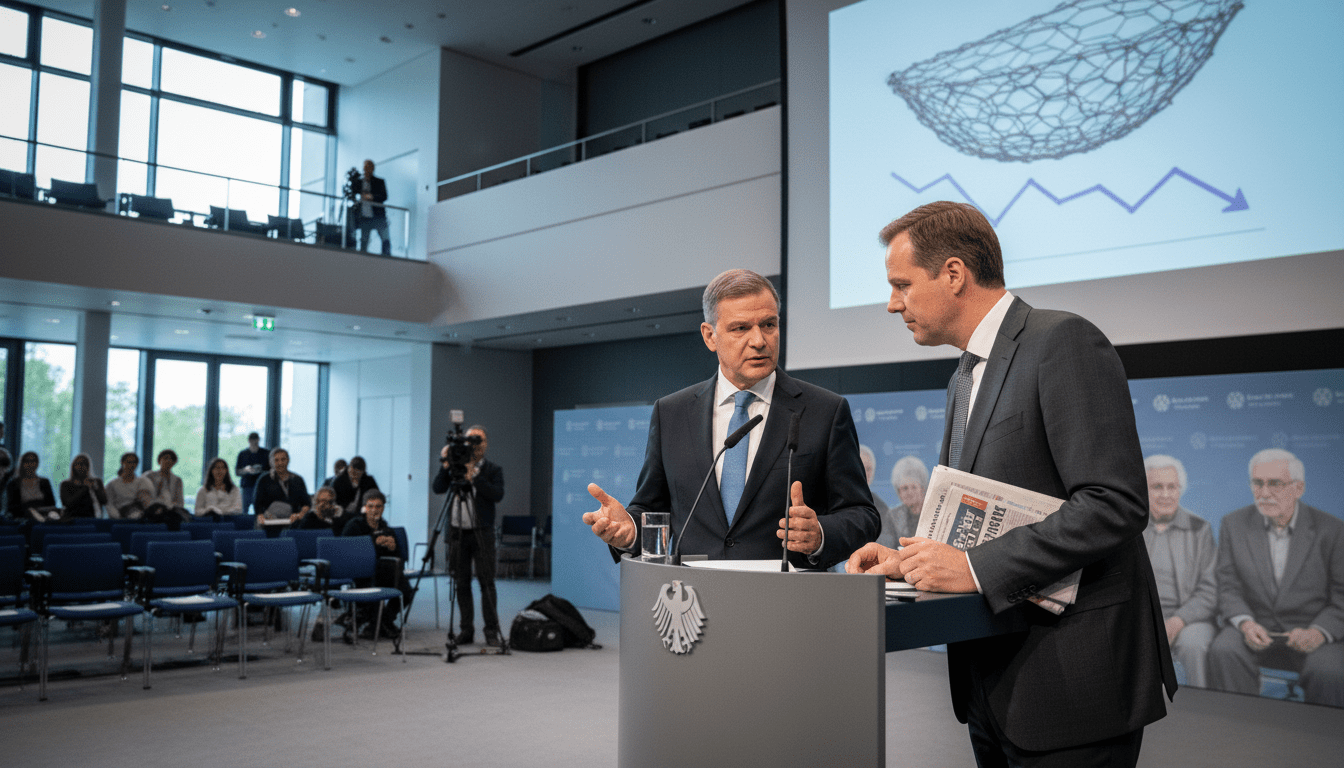
Germany — Chancellor Friedrich Merz stirred controversy on April 22, 2026, when he described the statutory pension as “at best a basic security” during a speech at the Federal Association of German Banks’ annual reception. The comment, which explicitly downgraded the role of the statutory pension, immediately became a focal point in the ongoing public debate about retirement provision. Merz’s wording has drawn sharp reaction from opposition parties and social partners, who say it risks undermining confidence in the social safety net while pension reform discussions are still underway.
Merz’s remark at bankers’ reception
Friedrich Merz delivered the line in a speech to banking representatives and industry guests, a setting that heightened sensitivity to his framing of retirement policy. Coming at a financial-sector event, the comment was widely interpreted as aligning with calls for greater private provision, a strand of debate Merz has been associated with previously.
Observers noted the chancellor’s past ties to asset management — Merz worked for the investment firm BlackRock earlier in his career — as a factor that intensified scrutiny of his remarks. The timing also matters: a government-appointed commission is actively examining proposals for overhauling the statutory pension system, and stakeholders say public statements by leading politicians can shape expectations before formal recommendations emerge.
Immediate political and social reactions
Within hours of the speech, opposition lawmakers, trade unions and social organizations voiced concern that the chancellor’s characterization could erode public trust. Critics argued that portraying the statutory pension as merely a “basis” risked signaling that workers should expect to shoulder more of their retirement financing through private savings or occupational schemes.
Party spokespeople and representatives of employee groups urged clarification from the chancellor’s office, saying that the remark could unsettle people who rely on the statutory pension as their principal source of retirement income. Calls for a clear government position intensified as commentators warned that such rhetoric can complicate the delicate negotiations surrounding any reform package.
Consequences for the pension commission’s work
Policy analysts and members of the pension commission warned that high-profile political commentary can pre-empt expert deliberations and politicize technical trade-offs. The commission, tasked with proposing measures to secure long-term pension sustainability, is weighing options that include contribution and benefit adjustments, targeted subsidies, and incentives for private retirement saving.
Experts say premature political framing risks narrowing the commission’s options by creating public expectations that may not align with technical constraints or fiscal realities. Several commission members stressed the need for a calm, evidence-based discussion that separates immediate political messaging from the actuarial and demographic data informing reform proposals.
How statutory pensions function in Germany today
The statutory pension system remains the core of Germany’s retirement architecture, providing insured workers with an earnings-related benefit that for many constitutes the bulk of their post-retirement income. While demographic change — an aging population and shifting dependency ratios — is pressuring public finances, the statutory scheme continues to play a stabilizing role for households with limited ability to build substantial private savings.
Policymakers and economists acknowledge that reforms will likely require a mix of measures, such as adjustments to retirement age, contribution rules, and stronger incentives for occupational pensions. At the same time, analysts caution that any move toward greater reliance on private provision must account for unequal labour market outcomes and the risk of leaving vulnerable groups with insufficient coverage.
Potential political fallout and next steps
The chancellor’s comment has sharpened calls for the government to present a coherent narrative on who will bear the costs of ageing and how reforms will protect low-income and precarious workers. Ministers and party leaders may need to clarify whether the remark signaled a policy shift or reflected an emphasis on complementing the statutory system with stronger private and occupational pillars.
Observers expect the pension commission to accelerate stakeholder consultations and to make its interim findings public to counter speculative messaging. Political strategists note that messaging missteps can have electoral consequences, particularly when they touch on core social protections that voters view as tied to social solidarity.
As the reform process continues, civil society groups are likely to ramp up public information efforts to explain potential scenarios for benefits and contributions, while unions press for guarantees that the statutory system remains a reliable foundation for retirement income.
Public debate over retirement security is entering a sensitive phase, and the chancellor’s words have underscored how political language can shape both perceptions and policy options. The commission’s forthcoming proposals will be judged not only on technical merit but also on their ability to restore clarity and confidence among the many Germans who depend on the statutory pension as the backbone of their retirement planning.
