
Bundesnetzagentur paves way for German long-distance rail competition, clearing access for Italo and Flix
Bundesnetzagentur limits DB Fernverkehr share on key routes, clearing the way for Italo and Flix — a major shift in German long-distance rail competition.
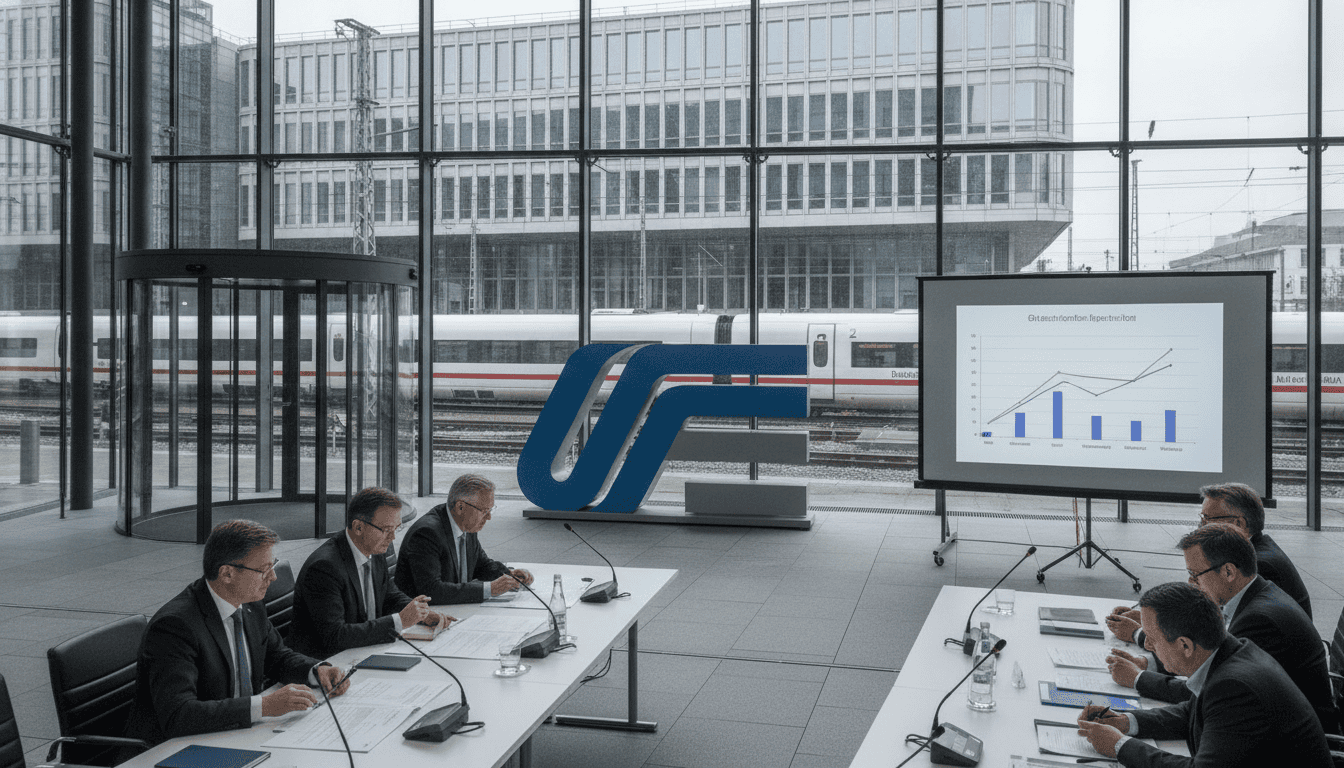
The Bundesnetzagentur has ruled that DB Infrago must cap allocations to DB Fernverkehr at between 60 and 75 percent on particularly attractive long-distance corridors, opening a path for rivals and accelerating German long-distance rail competition. The decision, announced by the regulator on Friday, aims to guarantee room on busy lines so new operators such as Italo and expanded Flix services can secure train paths. The move addresses long-standing complaints that the incumbent, Deutsche Bahn, has retained near-total control of high-speed routes.
Regulator imposes capacity caps on high-demand lines
The Bundesnetzagentur’s decision requires the infrastructure manager DB Infrago to limit the proportion of available train paths assigned to DB Fernverkehr on certain lucrative corridors. The cap, set between 60 and 75 percent depending on the route, is intended to ensure at least one viable competitor can run commercially on those lines.
Regulators argue the restriction is necessary because access to slots, not only rolling stock or ticketing, has been a key barrier to entry. By reserving capacity, the authority seeks to transform operational rules that have long favored the incumbent and to stimulate competition in long-distance services.
Italo and Flix position themselves to enter German market
Private operators immediately framed the decision as the opening of a substantial market opportunity. Italo, the Italian private high-speed operator, has signaled interest in investing hundreds of new millions into trains and operations to offer cross-border and domestic services. Industry reports cited by observers estimate that a full market entry could require multibillion-euro fleet investments; the Italian operator has previously invested roughly €3.6 billion in rolling stock for expansion at home.
Flix, having already invested in a modest fleet of green-branded trains, says it plans to increase capacity aggressively if access is assured. Both companies have emphasized expectations of lower ticket prices and broader scheduling options on routes that have been dominated by DB’s ICE and Intercity services.
Deutsche Bahn warns of regional fallout and funding disputes
Deutsche Bahn’s management has publicly warned that forcing capacity splits could fragment service and leave smaller cities at risk of losing connections. The company and its supporters argue that profitable long-distance lines effectively cross-subsidize less-used regional routes and that any forced market opening should account for the network’s broader social obligations.
Railway unions and some regional politicians echoed those concerns, arguing that unregulated commercial entry could prioritize dense corridors while making rural services harder to sustain. However, transport economists and regulators counter that if regional or social-necessity services are to be preserved, they should be commissioned and financed explicitly by regional authorities, rather than hidden in cross-subsidies within DB’s long-distance offer.
Regulatory intent: create a sustainable competitive market structure
The Bundesnetzagentur framed the ruling as a structural correction rather than an attack on DB. Officials said the aim is to create conditions in which at least one competitor can credibly plan long-term investments and commercial timetables. The regulator emphasized that without reliable access to train paths, potential entrants lack the certainty required to commit to expensive rolling-stock purchases.
Market liberalization advocates welcomed the move as a practical step toward breaking the incumbent’s near-monopoly in long-distance travel, where DB’s ICE and Intercity services currently account for close to 95 percent of the market. The regulator’s adjustment focuses on the allocation mechanism, not on price controls or immediate timetable upheaval.
Operational and passenger implications over the coming seasons
For passengers, the ruling does not instantaneously translate into new trains on every route, but it does increase the likelihood of more operators competing on major corridors within the next two to five years. New entrants must still acquire or lease trains, secure staff and integrate into Germany’s timetable and platform allocation processes.
Commuters and long-distance travelers may see gradual benefits: more frequent departures, promotional fares during market-entry phases, and alternative routing options. On the other hand, any removal of cross-subsidies without parallel public commissioning could shift the burden of sustaining unprofitable regional links onto state and regional governments.
The regulator’s decision may also prompt legal challenges or formal appeals from Deutsche Bahn or other stakeholders, potentially delaying implementation. Industry observers expect intense negotiations between DB Infrago, the Bundesnetzagentur and prospective operators over precise route lists, seasonal capacity splits and technical interoperability.
The ruling alters long-standing dynamics in Germany’s rail sector by prioritizing access as a lever for competition. While it does not guarantee immediate relief from service disruptions that have affected customers in recent years, it does create a more defined pathway for private operators to enter and expand.
If implemented smoothly, travelers could benefit from expanded choices and price competition on key corridors; if contested politically or legally, the practical effects may be deferred pending appeals and negotiated transitions. The Bundesnetzagentur has signaled it will monitor the market impact and adjust allocations to ensure the intended competitive outcomes materialize.
Ultimately, the decision transfers a central question from railway management to wider public policy: whether and how to fund the social service obligations of the network while allowing commercial competition where demand supports it. The regulator’s measure leaves open the option for regional authorities to explicitly order and pay for loss-making services, making the system’s costs and responsibilities more transparent.
