
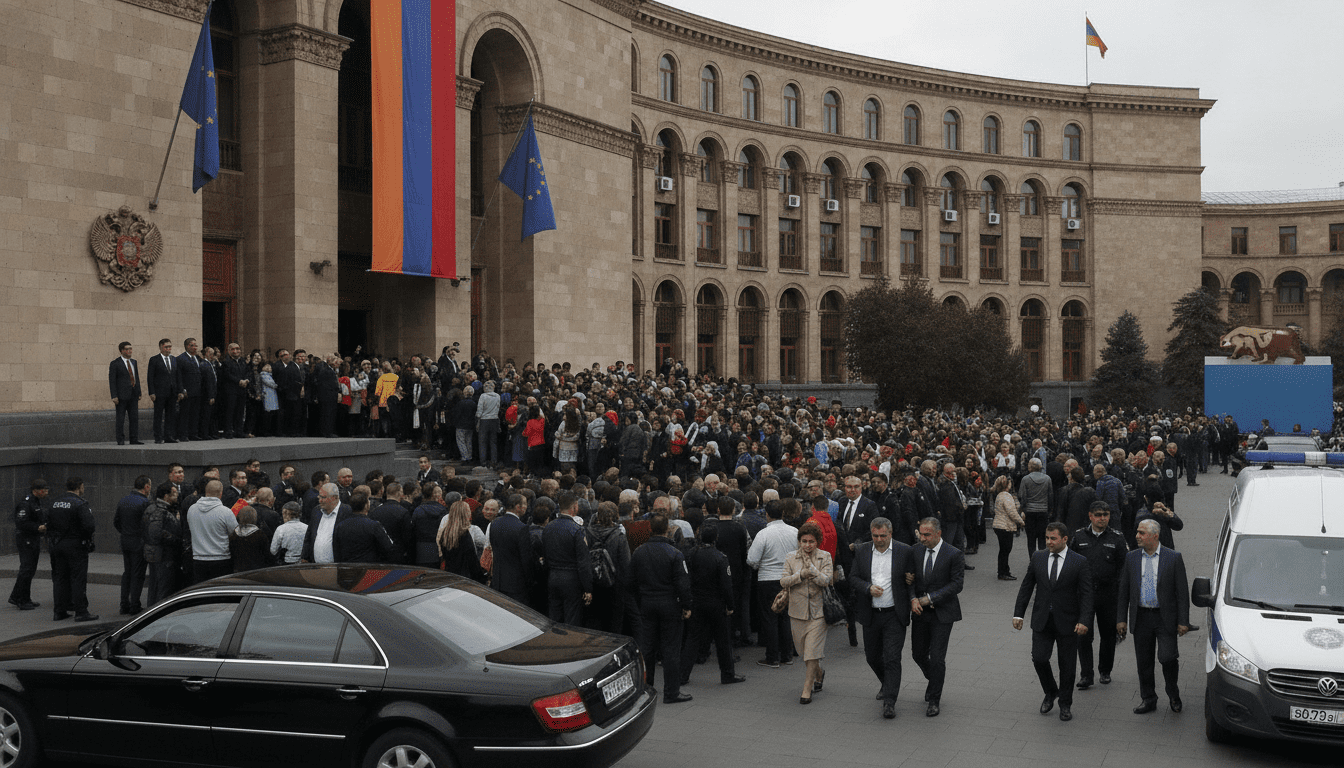
Armenia parliamentary election sees higher midday turnout amid arrests and Russian pressure
Armenia parliamentary election on June 7, 2026 saw a sharper-than-expected midday turnout, but voting was marred by arrests, bomb threats and heated accusations between pro‑Russian parties and the government. By 14:00 local time (12:00 CEST) the Central Election Commission reported nearly 34% participation, suggesting turnout may surpass the 49% final rate recorded in 2021. Polling stations opened at 08:00 local time and observers reported active voter flows despite a volatile security and political environment.
Midday turnout points to increased participation
By mid‑afternoon officials said almost one in three registered voters had cast ballots, a pace campaigners described as greater than during the previous parliamentary contest. Election authorities framed the figure as an early sign of heightened engagement in what many characterize as a directional vote for the country. Observers from news agencies noted steady lines at polling stations in the capital and regional centers.
Arrests of activists and commission members raise tensions
Pro‑Russian opposition leader Samwel Karapetjan said more than 100 of his supporters were detained in the 48 hours surrounding the vote, and he alleged ongoing arrests as he cast his ballot. Karapetjan himself remains subject to house arrest on charges tied to unrest earlier this year, according to reports, while police cited suspected vote‑buying as grounds for recent detentions. Authorities also detained three members of a local election commission overnight and searched the offices of the Strong Armenia party in Gyumri, the country’s second‑largest city.
Security incidents included false bomb threats
Police responded to multiple anonymous bomb threats at polling sites, deploying teams to clear and secure premises; officials later reported the threats proved to be unfounded. Despite the false alarms, the disruptions added to concerns about the integrity and safety of voting on election day. Small parties and electoral monitors warned that the accumulation of irregularities could prompt legal challenges or calls for reruns in affected precincts.
Allegations of vote‑buying and cross‑border mobilization
Government spokespeople accused actors in Russia of encouraging members of the Armenian diaspora to travel and vote for pro‑Russian candidates in exchange for payment, a claim that Moscow has denied and for which officials have not yet publicized conclusive evidence. The Interior Ministry defended recent arrests as necessary measures against alleged electoral offenses including attempted vote‑buying. Opposition figures countered that arrests are politically motivated and aimed at discouraging their supporters from participating.
Russia’s economic and political leverage on full display
The election unfolded against a backdrop of intensifying pressure from Moscow, which in recent months imposed import bans on Armenian goods and signalled it might withdraw favorable energy terms if Yerevan continues to tilt toward the European Union. Kremlin rhetoric linking Western alignment to regional instability has been interpreted in Armenia as an attempt to influence voter behavior ahead of the parliamentary contest. Prime Minister Nikol Pashinyan, who is seeking another term, has framed his platform around closer ties with the EU and a strategic pivot away from exclusive dependence on Russia.
High stakes as Paschinian seeks mandate for EU direction
Government officials and many voters describe the ballot as a referendum on direction: whether Armenia will deepen ties with Europe or return to a Russia‑aligned posture favored by several opposition groups. Pashinyan has campaigned on reform, anti‑corruption measures and EU accession aspirations, arguing that Western partnership will diversify Armenia’s economic and security options. Opposition leaders counter that closer alignment with Russia would better safeguard Armenia’s security needs given regional tensions and unresolved conflicts.
The outcome of the Armenia parliamentary election will shape the country’s diplomatic orientation and domestic governance for the coming years, and results may be contested as opposition figures review alleged irregularities. With polls open through the evening and official tallies pending, both domestic observers and international partners will watch the counting closely for signs of whether turnout and disputed incidents alter the political balance in Yerevan.
