
German Foreign Office lifts regional warning as travel to the UAE resumes under heightened security
German Foreign Office ends regional warning; travel to the UAE resumes but authorities urge vigilance as flights operate amid possible further strikes and tightened protections.
The German Foreign Office has ended its regional travel ban and no longer advises against travel to the United Arab Emirates, but travel to the UAE remains subject to elevated risks and precautions. Officials warn that new targeted strikes in the wider Gulf are not impossible and that travelers should remain alert to sudden changes in the security and aviation situation. Flights to Dubai and Abu Dhabi have largely resumed, yet authorities and carriers caution passengers about delays, cancellations, and temporary airspace closures. The government and travel associations are urging Germans in or bound for the Emirates to update emergency contact details and follow local directives.
German Foreign Office decision and its scope
The Foreign Office lifted the broader travel warning for the Gulf region in early May, restoring normal travel guidance for the seven emirates including Dubai and Abu Dhabi. The step reflects a reassessment of immediate danger levels, but the ministry explicitly notes that the situation remains volatile and may change with little notice. The advisory applies to all major population centers in the UAE and carries recommendations aimed at minimizing risk for visitors and residents alike.
Aviation operations and continuing disruptions
Commercial operations at Dubai International (DXB) and Abu Dhabi airports are back in service, yet passengers should expect irregularities. Airlines and airport authorities report periods of congestion, flight cancellations and sporadic airspace restrictions since late February, when Iranian counterstrikes triggered widespread regional disruption. Travelers should maintain flexible itineraries and check with carriers shortly before departure for the latest schedule updates.
Security measures raised around sensitive sites
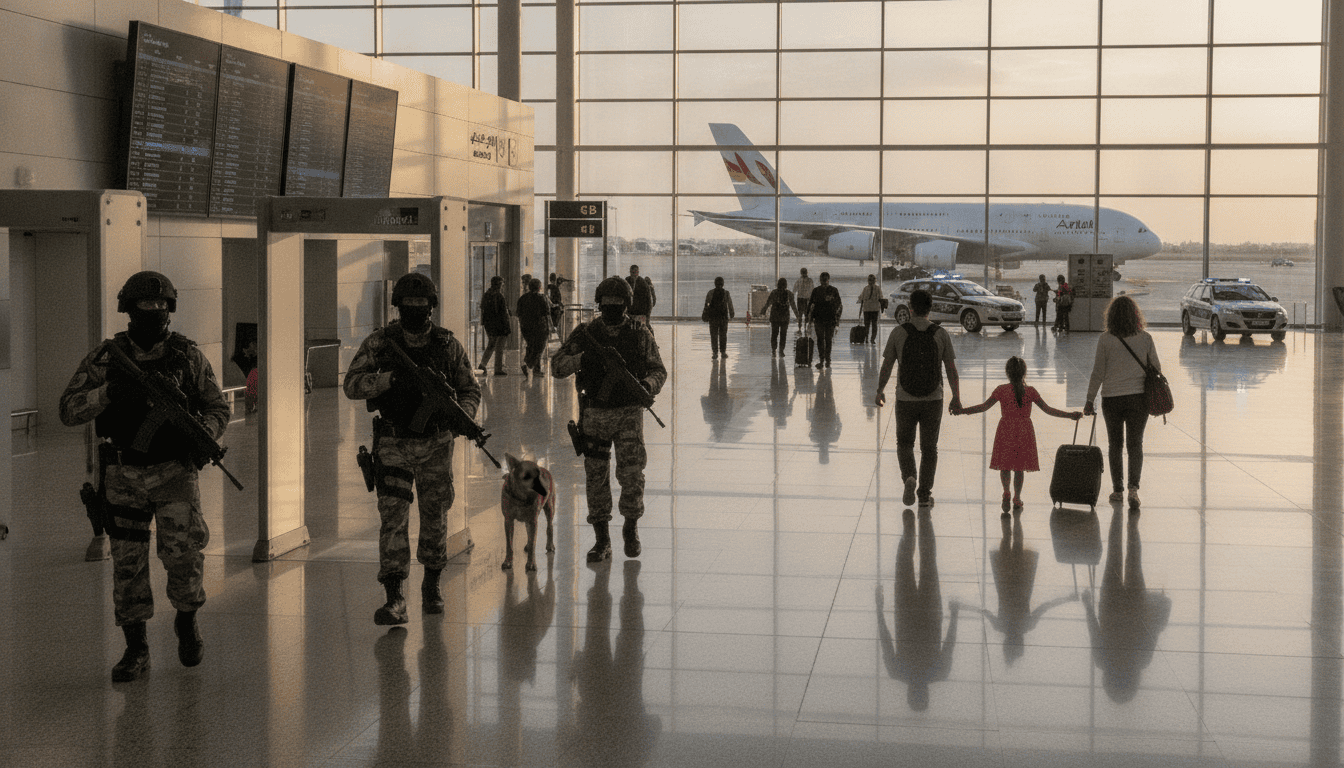
UAE authorities have increased security, particularly around Jewish and Israeli institutions, as well as other potential soft targets in urban and tourist areas. Enhanced patrols, checkpoints and visible security at ports and transport hubs are intended to deter attacks and reassure the public. Officials advise extra caution in crowded places and recommend obeying instructions from local security forces without hesitation.
Advice for German travelers and registration recommendation
German nationals are urged to register or confirm their details on the ELEFAND crisis preparedness list and to ensure emergency contact information is current. The German Travel Association (DRV) reported that roughly 30,000 passengers of German tour operators were affected by flight disruptions during the February–March escalation, underscoring the practical implications for package travelers and individual bookings. Travelers should also monitor guidance issued by the UAE’s National Emergency, Crisis and Disaster Management Authority (NCEMA) and maintain multiple means of communication.
Local security climate and terrorism risk
While the Foreign Office characterizes the UAE’s internal political situation as fundamentally stable, it also highlights a persistent terror threat from groups such as the so-called Islamic State, which has threatened attacks against states allied with Western partners. Large-scale demonstrations are unlikely given extensive public surveillance, but the recommendation remains to avoid crowds and stay vigilant at festivals, shopping centers and major events. Low general crime rates coexist with occasional petty theft and isolated incidents, and lone travelers — especially women — are advised to take standard safety precautions.
Legal environment and conduct expectations for visitors
Visitors must be aware that UAE law differs markedly from many Western jurisdictions, including strict rules on public behavior and moral conduct. Same-sex relations and public displays of affection can be criminalized, and cross-dressing or clothing that is judged to contravene local norms can lead to prosecution. The UAE continues to enforce capital punishment under its legal code, and the Foreign Office notes that foreign nationals have been subject to severe penalties, including executions as recently as February 2025. Travelers should avoid political or religious criticism and be mindful that actions tolerated at home may carry legal risks in the Emirates.
Dubai’s role as a global hub and travel implications
Dubai remains one of the world’s busiest aviation crossroads, connecting Europe and Asia through extensive scheduled services and transfer traffic. The emirate’s airports — including Dubai International and the newer Al Maktoum facility — have expanded their importance amid shifting international air routes, and continued operational disruptions in other regions have increased passenger flows through the UAE. That role makes the country both strategically significant for global travel and sensitive to regional shocks that can ripple through international schedules.
Given the still-evolving security picture, travelers planning travel to the UAE should prepare contingency plans, keep documentation and emergency contacts readily available, and follow official updates from the German Foreign Office, NCEMA, and their carriers. Remaining informed, flexible and respectful of local laws will help reduce risks and allow travelers to respond quickly should conditions change.
