
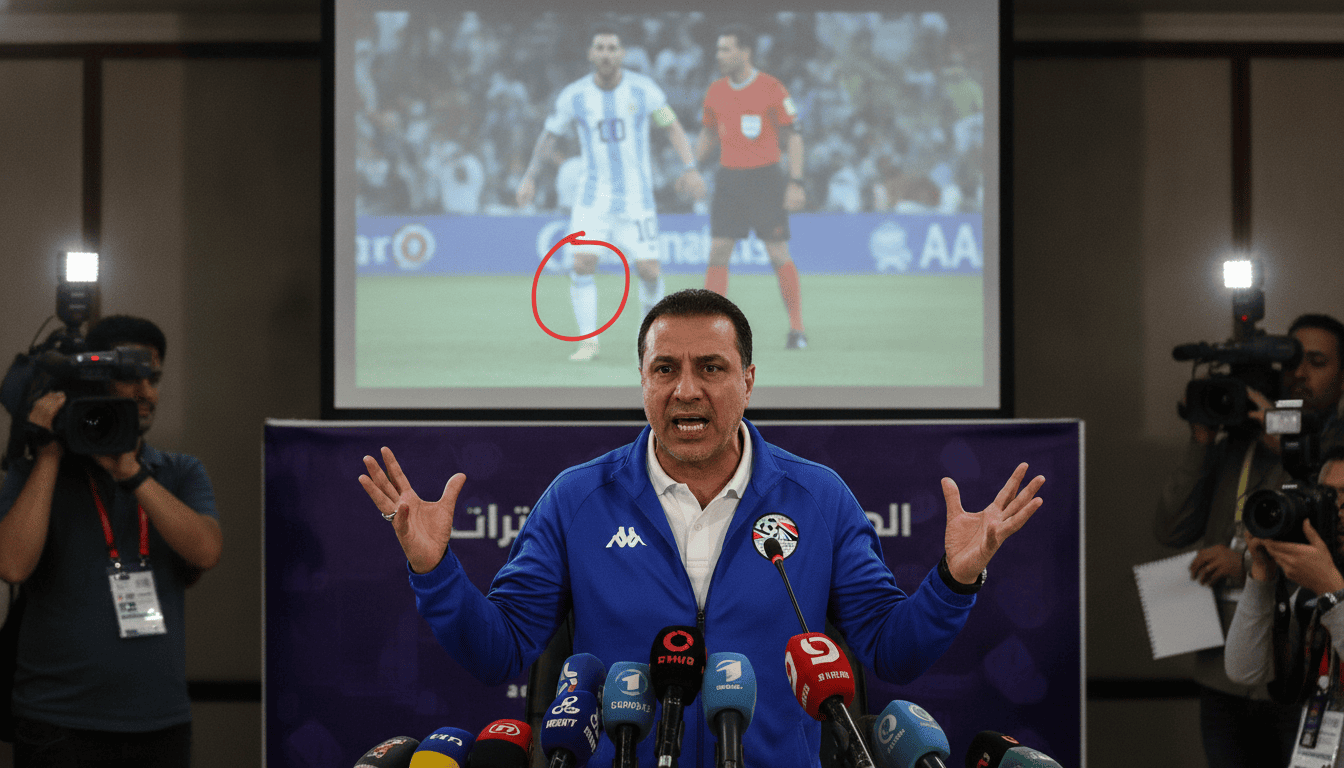
Messi controversy sparks fury from Egypt coach Hossam Hassan after Argentina’s 3-2 World Cup comeback
Egypt coach Hossam Hassan accused a “Messi conspiracy” after Argentina’s 3-2 World Cup comeback, citing contentious refereeing and an unreviewed VAR penalty claim.
Late comeback defines round-of-16 thriller
Argentina overturned a 2-0 deficit to beat Egypt 3-2 in a dramatic World Cup round-of-16 match that ended in heated protests from the Egyptian side. Cristian Romero, Lionel Messi and Enzo Fernández scored in the final quarter of the game to complete the turnaround. Egypt had taken an early lead through Yasser Ibrahim and later through Mostafa Ziko, leaving the visitors stunned before the late flurry.
The outcome has been framed by many in Cairo as more than defeat on the field, with coach Hossam Hassan alleging a wider injustice centered on what he described as a “Messi conspiracy.” The claim centres on a sequence late in the match that Egypt insists should have produced a penalty and a potential different result.
Hassan accuses officiating of bias
Hossam Hassan publicly condemned the refereeing after the match, saying the decisions on the day negated the efforts of his team and the nation. Speaking to beIN Sports, the 59-year-old coach accused match officials of failing to deliver fairness and suggested external pressures affected the outcome. He said Egypt had been denied proper respect and cited one overturned goal and a non-reviewed penalty as pivotal moments.
Hassan also announced an emotional response to the defeat, saying he would refrain from following the rest of the tournament as a protest. His comments have escalated the debate from a single controversial match to a broader question of officiating standards at the tournament.
Contested VAR moment and penalty claim
The central point of contention came in the build-up to Enzo Fernández’s stoppage-time winner, when Egyptians argued defender contact on Hamdy Fathy inside Argentina’s penalty area should have been reviewed. Egypt’s coaching staff and several observers maintained that the foul—based on a clear tug at the shirt—warranted a VAR check and a spot-kick.
Former Bundesliga referee Patrick Ittrich, speaking on MagentaTV, described the contact as a foul and said he would have awarded a penalty. That assessment reinforced the Egyptian view that the match featured at least one unaddressed error that carried match-deciding consequences. Match officials, however, allowed play to continue and the goal stood, sparking immediate outcry from the Egyptian bench.
Disallowed goal and other disputed calls
Earlier in the match Mostafa Ziko had a goal ruled out, a decision that Hassan specifically highlighted as inexplicable and damaging. Egypt still equalised through Ziko later in the second half after Yasser Ibrahim opened the scoring, but the disallowed effort left a bitter aftertaste for players and supporters. Hassan and others argue the cumulative effect of several contentious decisions shaped the final result.
Observers noted an emotional imbalance on the pitch and in the stands as the match wore on, with Egyptian players visibly frustrated by calls that went against them. Those emotions fed media coverage and social-media discussion across North Africa, turning the result into an intense national talking point.
Pundits and officials weigh in
Reactions among pundits and former officials varied, with some agreeing that specific decisions merited review and others cautioning against attributing motive to the referee. The match has prompted calls from parts of the football community for clearer VAR protocols and greater transparency around how critical incidents are assessed. That debate has been amplified by the presence of a high-profile figure like Lionel Messi in the game, which some fans and commentators say increases the stakes of every close call.
Tournament organisers and refereeing bodies have not issued a detailed public response to the specific complaints from Egypt as of the immediate aftermath. The lack of an official, widely circulated explanation has only intensified speculation among supporters and media alike.
Egypt’s campaign: positives and poignant exit
Despite the acrimony at the final whistle, Egypt leave the tournament with notable achievements and moments to build on. The team delivered performances that underlined its status as a seven-time African champion and showed resilience against one of the tournament favourites. Players such as Yasser Ibrahim and Mostafa Ziko produced key contributions that nearly propelled Egypt to one of the competition’s biggest upsets.
The abrupt and emotional end to Egypt’s run will be dissected domestically not just for the controversy but for what it revealed about the squad’s progress on the biggest stage. For a nation that invested heavily in hopes of a deep run, the disappointment is both collective and deeply personal.
The broader football community will now watch how governing bodies address the questions raised by this match, and whether any formal reviews of the disputed incidents will follow. The result leaves Argentina through to the next round and Egypt reflecting on what might have been, even as debates about refereeing standards and the so-called “Messi controversy” continue to reverberate.
