
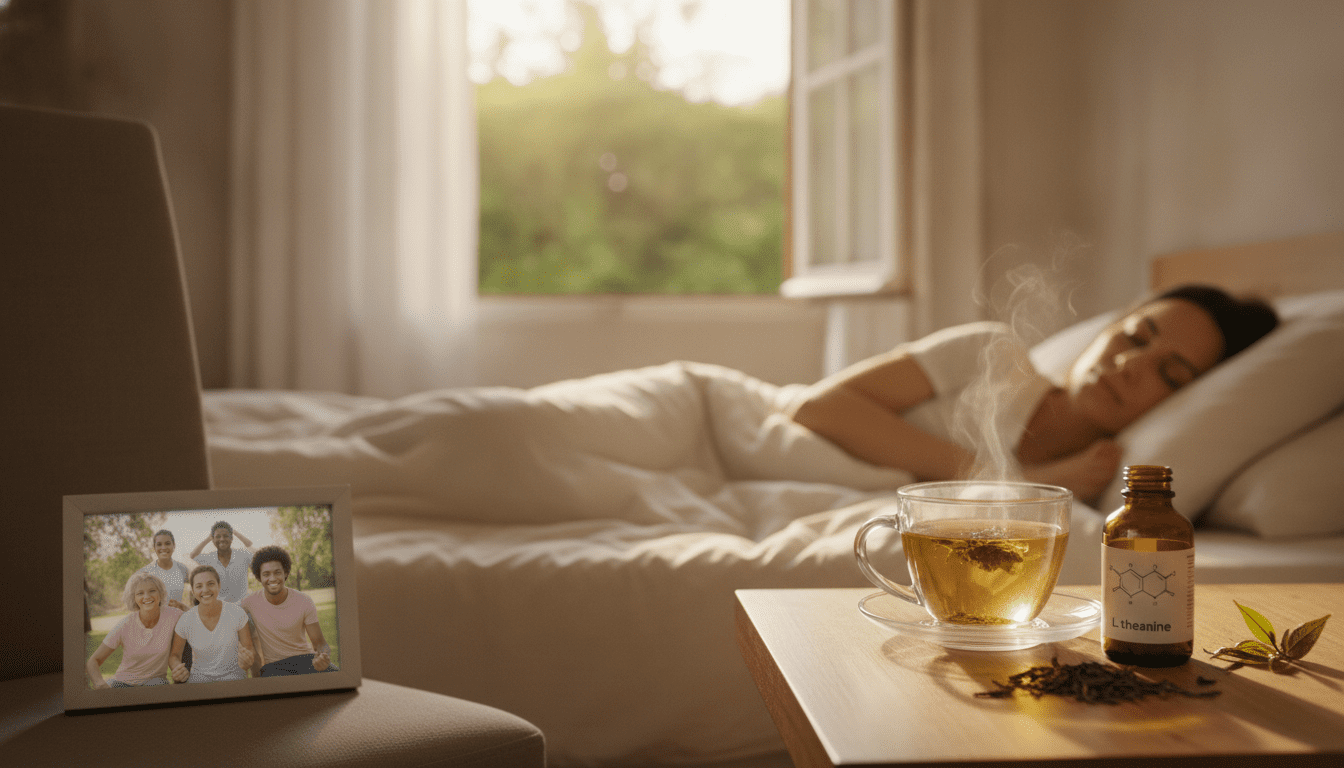
L-theanine Gains Ground: Evidence Shows Relaxation, Better Sleep and Possible Immune Benefits
L-theanine shows promise for easing anxiety, improving sleep and immune response. Experts outline evidence, dosing guidance, safety concerns and interactions.
L-theanine, an amino acid naturally present in tea, is drawing renewed attention from researchers and clinicians for its calming effects and potential health benefits. Recent clinical and preclinical studies suggest L-theanine can reduce stress, shorten sleep latency and modulate immune function, with typical study doses ranging from about 100 to 400 milligrams per day. Consumers and health professionals are increasingly weighing the compound’s favorable tolerability against remaining gaps in long-term human data.
Study Findings on Stress and Sleep
Clinical trials and controlled studies report that daily supplementation of 200–400 mg of L-theanine can reduce subjective stress and anxiety in people exposed to stressful conditions. Participants often report lower perceived tension and improved relaxation, and some trials document measurable changes in physiological markers consistent with reduced arousal. Sleep-focused studies indicate L-theanine may decrease the time it takes to fall asleep and diminish nighttime disturbances when taken at doses around 200 mg for several days.
Supplemental use has been tested both as a single dose and over short-term courses, with several trials noting improvements in sleep quality and next-day alertness. The evidence is strongest for temporary, situational anxiety and mild sleep disturbances rather than for chronic, untreated psychiatric illness. Larger and longer-term randomized trials are still needed to confirm sustained benefits and to define which patient groups are most likely to respond.
How L-theanine Works in the Brain
Neurobiological research points to several mechanisms that could explain L-theanine’s calming effects. The compound appears to reduce glutamate, an excitatory neurotransmitter, while increasing levels of γ‑aminobutyric acid (GABA), an inhibitory messenger associated with decreased neuronal firing. L-theanine also seems to boost dopamine and promote alpha-frequency brain waves, a pattern linked to relaxed wakefulness and improved mood.
These biochemical changes together may blunt hyperactive signaling during stress and create a neural environment more conducive to calm and focused attention. The net effect is often described as promoting relaxation without sedation, which helps explain reports of reduced anxiety without impairment of daytime functioning.
Evidence for Immune Support and Cancer Research
Beyond mood and sleep, preclinical data suggest L-theanine may influence immune responses and work synergistically with certain chemotherapy agents. Animal studies have reported enhanced uptake of the chemotherapy drug doxorubicin into cancer cells when L-theanine is present, raising interest in potential adjuvant applications. Separate trials and observational work indicate theanine could help immune cells respond more effectively to viral and bacterial challenges, possibly reducing the incidence of upper respiratory infections.
Experts caution that most cancer-related findings are from laboratory or animal models and require rigorous human trials before clinical recommendations can be made. Similarly, while immune-supportive effects are biologically plausible, the magnitude and consistency of benefit in diverse human populations remain under study.
Cognitive and Mood Effects Under Investigation
Researchers have explored L-theanine’s impact on attention, working memory and reaction time, and some trials report acute improvements after a single dose. There is also preliminary evidence that the compound may protect neurons from age-related damage and could lower the risk or slow progression of neurodegenerative processes. Small studies have examined effects on depressive symptoms and as an adjunct in schizophrenia or schizoaffective disorder, with mixed but sometimes encouraging results.
While these findings are promising, specialists emphasize that L-theanine should not replace established treatments for mood or cognitive disorders. Instead, it may serve as a complementary strategy for some individuals under medical supervision, particularly when used alongside other evidence-based therapies.
Recommended Dosage and Common Sources
Clinical and consumer guidance typically points to daily intakes between 100 and 400 mg for most targeted outcomes, with flexibility depending on whether the goal is stress reduction, daytime focus or sleep support. Green, black, white and oolong teas naturally contain L-theanine, generally about 5–7 mg per gram of dried leaf, so achieving therapeutic supplemental levels through tea alone would require large volumes. L-theanine is also widely available in pills, capsules, powders and liquids, which allow for consistent dosing.
Users may take L-theanine in the morning to support a measured stress response during the day, or in the evening to promote restful sleep, and some products combine theanine with magnesium or other calming agents. Consumers should follow product instructions and consider starting at a lower dose to assess individual response.
Safety, Interactions and Consumer Guidance
Overall, L-theanine is well tolerated and has not been associated with significant toxicity in published reports, even at relatively high doses. Caution is advised for pregnant or breastfeeding people, and those with low blood pressure should consult a clinician because theanine can lower blood pressure and may interact with antihypertensive medications. Theanine’s calming properties can amplify sedative effects when used with central nervous system depressants, and some formulations containing D-theanine may impair absorption of the L-form.
Because dietary supplements are not regulated like prescription drugs, consumers are advised to choose brands that use third-party testing for purity and accurate labeling. Attention to product form, dosing, and any co-administered medications will reduce the risk of unwanted interactions or inconsistent effects.
As research accumulates, L-theanine emerges as a low-risk, readily available option that may relieve situational anxiety, improve sleep quality and offer ancillary immune and cognitive benefits for some users. Individuals considering regular use should discuss it with a healthcare professional, especially if they are pregnant, nursing, taking blood pressure or sedative medications, or managing a chronic medical condition.
