
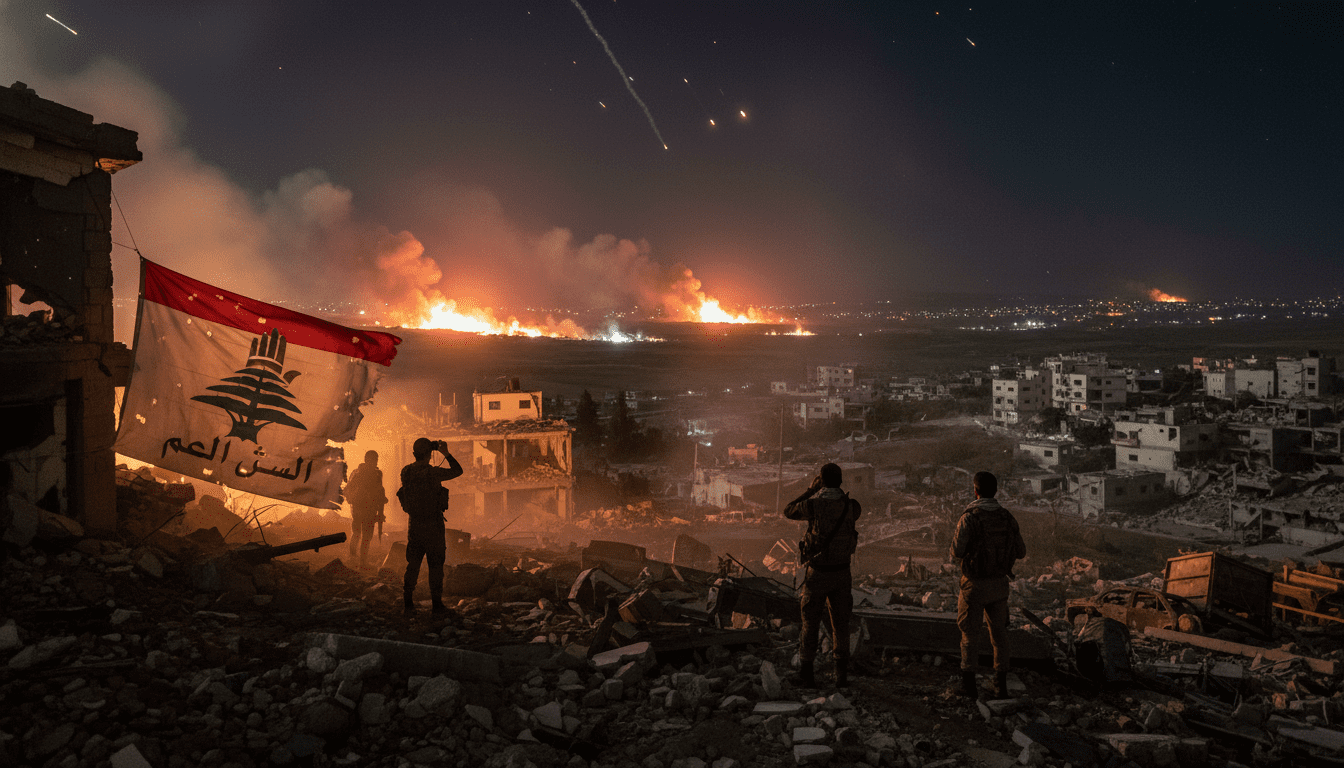
Israel Strikes Lebanon Despite US-Brokered Ceasefire as Hezbollah Rejects Deal
Israel strikes Lebanon despite a US-brokered ceasefire; Hezbollah rejects the deal as casualties exceed 3,500 and regional tensions risk wider escalation.
Israel strikes Lebanon despite a ceasefire announced in Washington on June 5, 2026, with fresh Israeli attacks reported across Lebanese territory even as officials discussed a memorandum of understanding in the US. The ongoing strikes and Hezbollah’s categorical rejection of the limited truce have raised immediate doubts about the durability of the pause and the prospects for ending months of cross-border violence. Lebanon’s health ministry says at least 3,526 people have been killed and more than 10,700 wounded since the fighting intensified on March 2, underscoring the human cost of the stalemate.
Ceasefire Agreement Reached in Washington
A memorandum of understanding was negotiated in Washington between Lebanese and Israeli representatives, aimed at halting active hostilities and creating conditions for a broader ceasefire. US officials framed the accord as a first step toward stabilizing the front lines, while negotiators emphasized that detailed mechanics and timelines would be needed to implement any pause. Despite the announcement, the agreement’s scope and enforceability remain contested by key combatants on the ground.
Continued Israeli Strikes Across Lebanon
Israeli forces carried out strikes in southern Lebanon and the western Bekaa Valley after the Washington announcement, with reports of new air and ground operations late on Thursday. Lebanese authorities and media reported multiple civilian casualties and infrastructure damage from the latest attacks, adding to the mounting toll since March. The persistence of strikes has fuelled criticisms that the ceasefire, as currently drafted, lacks credible mechanisms to prevent renewed or ongoing hostilities.
Hezbollah Rejects Limited Truce
Hezbollah’s deputy leader, Naim Qassem, publicly dismissed the US-brokered arrangement as a “farce” and demanded a comprehensive ceasefire accompanied by a full Israeli withdrawal. Qassem warned that northern Israel would remain a target while Israeli operations inside Lebanon continued, signaling that the movement will not be bound by a deal it views as incomplete. Analysts in Beirut say Hezbollah’s stance effectively determines whether any agreement on paper can translate into a practical halt to fighting.
Humanitarian Toll and Civilian Impact
Lebanon’s Ministry of Public Health has reported at least 3,526 fatalities and 10,733 wounded since the current round of strikes began, figures that humanitarian groups say may rise as access to affected areas remains limited. Large-scale displacement has been recorded from southern districts and border towns, with shelters and medical facilities under strain amid shortages of supplies. Relief agencies have warned of growing needs for food, water, and trauma care if hostilities continue or intensify.
Regional Diplomatic Fallout and International Reactions
Diplomatic ripples from the ceasefire talks have extended to Tehran and Washington, with an adviser to Iran’s Supreme Leader, Mohsen Rezaei, saying the draft deal contains “ambiguities” that require clarification. In Washington, critics questioned why negotiations remained necessary if previous military actions had substantially degraded Iranian capabilities, a point raised by US commentators and some administration detractors. Meanwhile, US President Donald Trump said Washington could access Iran’s enriched uranium without a formal agreement and indicated he had no immediate plans to meet Iran’s Supreme Leader, remarks that add complexity to the broader regional diplomacy.
Gulf Energy and Security Incidents
The conflict’s regional dimension was highlighted by an incident near Oman’s Mina al-Fahal oil terminal, where an explosion reportedly damaged a single-buoy mooring and forced a suspension of crude loading. Reuters cited unnamed sources attributing the blast to a suspected drone attack between SBM 1 and SBM 2, a development that underscores how maritime energy infrastructure has become vulnerable amid heightened tensions. Such disruptions have the potential to affect global markets and complicate diplomatic efforts to stabilise the region.
Domestic Tensions in Israel
Domestic protests in Israel added another layer of instability, as hundreds of ultra-Orthodox demonstrators blocked a major highway to protest the enforcement of military conscription for religious students. The demonstrations followed police moves to transfer two detained students to military authorities, prompting large deployments of police and border guards to clear the route. The domestic unrest reflects broader societal strains that Israeli leaders face while managing a sustained conflict on the northern border.
The US-brokered ceasefire represents a diplomatic opening but not a guaranteed end to hostilities, as battlefield realities and political positions on both sides continue to diverge. With Hezbollah rejecting the limited terms and Israeli forces conducting new strikes, the situation remains volatile and unpredictable. Humanitarian needs in Lebanon are acute, and regional incidents, including damage to Gulf oil infrastructure, highlight the wider risks if hostilities persist.
