
Bologna Protests After Death of Abderrahim Fakir Prompt Nationwide Outcry
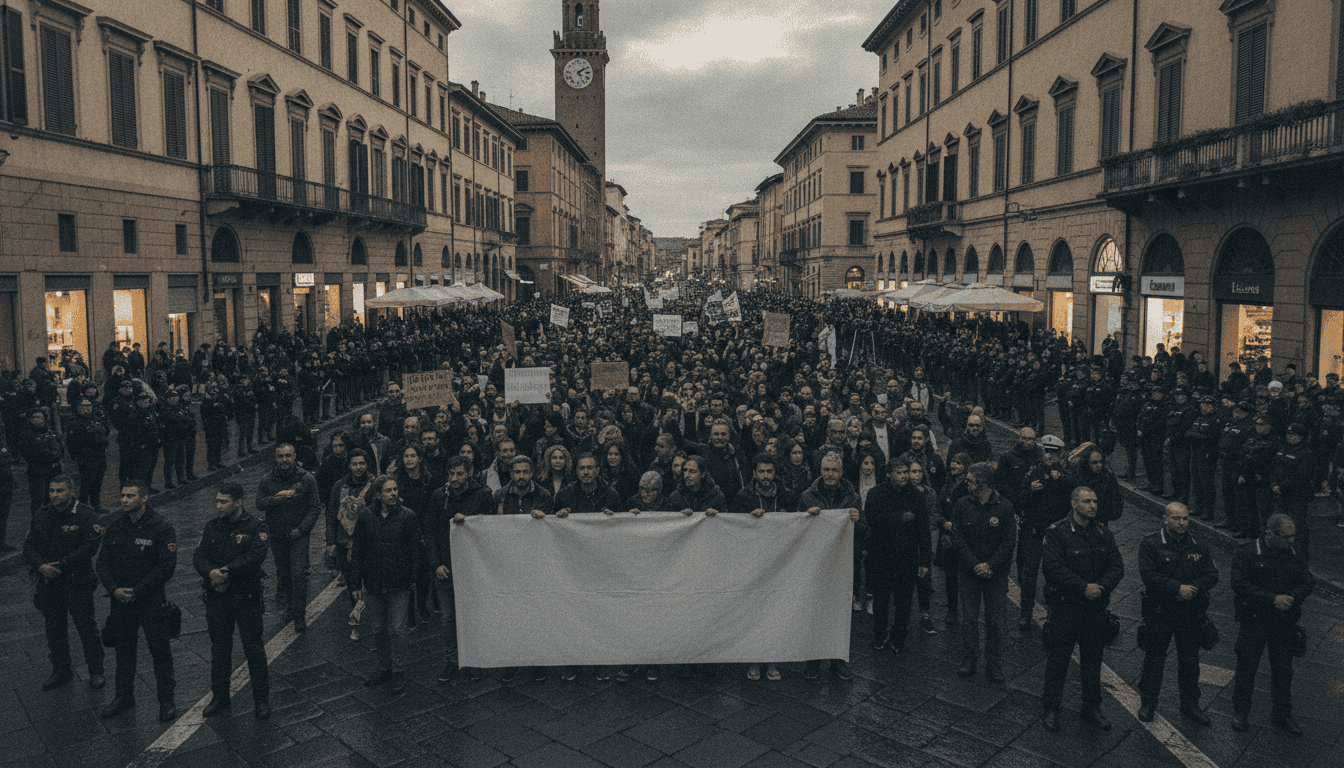
Hundreds rallied in Bologna after Moroccan entrepreneur Abderrahim Fakir died while being restrained by police, a video of the incident sparking demands for accountability. Authorities have opened a prosecutor-led inquiry and requested officers’ bodycam footage as demonstrations spread and political tensions intensified. The incident has drawn immediate comparisons to high-profile restraints abroad and prompted calls from unions and city officials for a full, transparent investigation.
Protests Erupt in Bologna
Demonstrations began on Sunday evening and continued into Monday after footage of the restraint circulated widely online, drawing several hundred people to central streets. Protesters adopted gestures associated with the Black Lives Matter movement, including kneeling and raised fists, to demand answers and condemn the circumstances of Fakir’s death. The mayor of Bologna and major trade unions publicly supported Monday’s rallies, calling for clarity and due process while urging calm.
Video Prompts Public Outcry and International Comparisons
A widely shared mobile phone video shows Abderrahim Fakir face down on the ground as two officers restrain him, with the man repeatedly calling out “help, help, that’s enough” before going silent. The footage has prompted immediate comparisons to the 2020 killing of George Floyd in Minneapolis, fueling emotive public reaction and media scrutiny. Civil society groups and opposition politicians have seized on the visual record to demand rapid transparency and independent oversight.
Prosecutors Open Inquiry and Seek Bodycam Footage
Bologna prosecutors have launched an investigation under a recently introduced legal procedure and formally requested body-worn camera footage from the officers involved. The inquiry will assess the sequence of events, the tactics used during the detention, and whether procedural or criminal breaches occurred. Officials have said the probe will consider medical findings and witness statements as investigators reconstruct what led to Fakir’s death.
Accounts of Restraint and Use of Force
Media reports indicate police used pepper spray and physical restraint while attempting to handcuff Fakir after reports of aggressive behaviour, though the exact trigger for the detention remains under investigation. Video shows officers binding his ankles and, according to observers, checking vital signs only after he became unresponsive. Witness accounts, including statements reported by local newspapers, depict family members and bystanders demanding immediate medical assistance as the situation unfolded.
Political Split Over Police Conduct
Senior members of the ruling right-wing coalition, including Deputy Prime Minister Matteo Salvini, publicly defended the officers’ actions, praising their conduct during the intervention. Opposition leaders have sharply criticized the government’s rhetoric, arguing that political messaging in recent years has fostered hostility toward migrants and heightened tensions with law enforcement. Centre-left legislator Francesco Boccia warned against importing an “ICE model” of policing from the United States, urging a re-examination of restraint practices and accountability mechanisms.
Family, Unions and City Officials Call for Answers
Relatives of Abderrahim Fakir have publicly appealed for justice, with one brother quoted saying his sibling “had asked for help… and they killed him,” according to local reporting. Major trade unions joined municipal officials in supporting peaceful demonstrations and pressing for an independent review of police conduct. Organisers of the rallies said they sought not only answers about the immediate case but also broader reforms in how detentions are handled and how emergency responses prioritise medical checks.
The unfolding case in Bologna has reopened national debates over policing practices, migrants’ rights and the responsibilities of public officials in shaping law-enforcement culture. As investigators compile video, witness testimony and medical evidence, public attention remains fixed on how quickly and transparently authorities will disclose findings. The prosecutor’s inquiry and any subsequent legal steps are likely to determine the next phase of political and civic reaction across Italy.
