
Würzburger Kickers women’s football grows from four players to a volunteer-driven club with Vision 2030
Würzburger Kickers women’s football grew from four players to 200+ members by building a volunteer network, engaging parents and securing targeted funding.
The Würzburger Kickers women’s football programme has expanded rapidly since its founding in 2010, evolving from a small local training group into an independent club with teams from U8 through senior women. The club attributes that growth to a dense volunteer culture: more than ten percent of members contribute time in coaching, administration and events. That grassroots engagement, combined with targeted funding and a new Vision 2030 unveiled in early March 2026, forms the backbone of the club’s strategy.
Volunteer network underpins rapid club growth
The club’s first chairperson, Gudrun Reinders, organized the initial girls’ practice session in 2010 and helped build the community that now sustains the organisation. From a starting roster of four girls and a single department within SC Heuchelhof, the Frauen-Kickers now count over 200 members and a broad age structure. Reinders and other board members say the sense of belonging is the central draw for volunteers who bake cakes, drive teams, repair facilities and coach sessions.
Board members report that volunteering rates at the club run counter to wider studies showing declines in civic engagement, and they credit deliberate outreach for that reversal. The board actively maps member skills and invites contributions that match individual interests, turning parental professions and local contacts into practical support. That effort, they say, creates a resilient base able to plan and deliver both routine activities and larger projects.
Player-volunteers sustain the coaching pipeline
Many of the club’s coaches are active players in the first team, combining multiple weekly training sessions with youth coaching duties. Players such as Johanna Rüppel balance four personal trainings per week with leading the U10s and helping run multi-day Girls Camps, contributing on average ten to fifteen hours weekly beyond matchdays. The club pays for coaching licenses, offers curricular support and rewards commitment through development opportunities rather than financial stipends.
This rotation of player-coaches creates a visible progression path for young athletes who see senior players in mentoring roles. The arrangement benefits both retention and quality: juniors receive continuity in philosophy and technique while aspiring coaches gain practical experience. Club officials emphasize that the model also fosters peer leadership and reduces the administrative burden on a small volunteer executive.
Board coordination aims to maintain continuity
To avoid isolation among teams and coaches, the board convenes every six weeks with all coaching staff to share updates and align plans. Those meetings establish rotation schedules for inter-team observation so players experience consistent training methods when they move between age groups. The board also uses these forums to surface operational issues, allocate training resources and approve educational requests from volunteer coaches.
Club leadership places particular emphasis on making decisions collaboratively and keeping communication horizontal between coaches and management. Officials say this steady cadence of meetings reduces friction and strengthens a shared sense of responsibility. The approach is presented as essential to meeting player expectations for continuity and fair opportunity.
University partnership strengthens youth development centre
The Frauen-Kickers operate a Nachwuchsförderzentrum (NFZ) in cooperation with the Würzburg sports centre and the University of Würzburg, providing a formal structure for talent development. Jonathan Rudingsdorfer, responsible for youth affairs on the board and sporting director of the NFZ, says the partnership gives volunteers a clear framework and access to research-informed practices. The collaboration supports coach education, training planning and periodic evaluation of the club’s youth pathways.
Practical arrangements reflect that partnership: junior sessions are scheduled ahead of senior training so dual-role coaches make a single trip, and a club app lets coaches assemble exercises matched to squad size and objectives. The university link also permits occasional exchange opportunities and funded workshops, which the club taps into for professional development.
Parents integrated through meetings and workshops
The board runs mandatory parents’ evenings twice per season to brief families on changes, campaign needs and scheduling, and to recruit volunteers for upcoming tasks. Beyond those briefings, the club has introduced parent workshops moderated by a social pedagogue where parents speak back to the club about communication and organisational gaps. Officials say those workshops produce actionable ideas and increase buy-in for club projects.
Reinders reports that the targeted integration of parents has reduced conflict and helped the club mobilise skills quickly for specific needs. While occasional disagreements arise over individual player development, only a handful of athletes—two or three—left the club in the last five years for personalised reasons. The board treats parents as part of the club’s network and leverages that network in sponsorship and community outreach.
Project-based fundraising paid for new artificial pitch
Financially, the club balances membership fees and Bavarian sport grants with an active campaign to attract external funding for discrete projects. The board crafts visible project proposals and approaches sponsors whose interests align with particular initiatives, a tactic that last year funded construction of a new artificial turf pitch. Club officials also pursue public programmes and occasional Erasmus+ exchanges to underwrite coach education and facility improvements.
Board members estimate they each invest at least ten volunteer hours per week, rising to more than twenty during peak projects such as tournaments or infrastructure builds. Research from a club-affiliated academic suggests high-performing community clubs rely on clear role structures, broad networks and non-monetary recognition to sustain volunteers. The Frauen-Kickers have packaged those findings into an institutional vision.
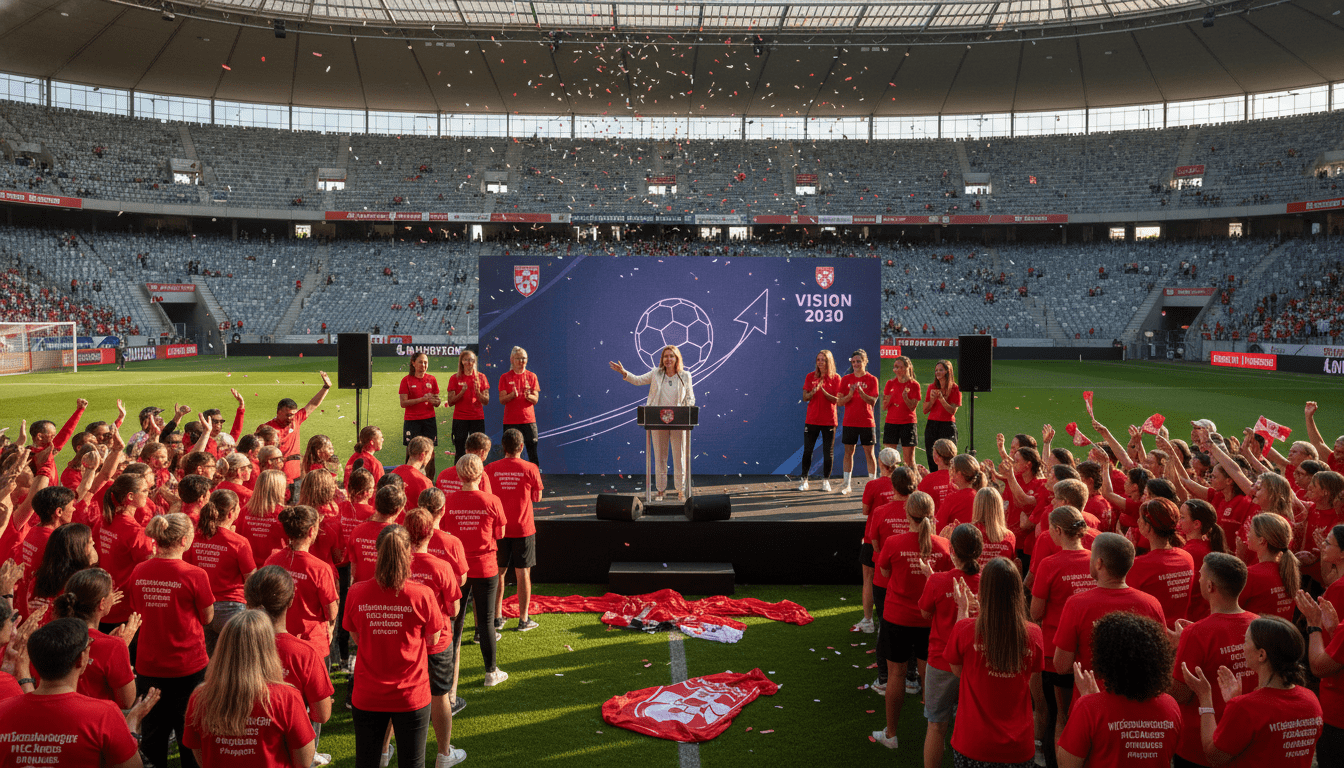
The club presented its Vision 2030 in early March 2026, setting specific targets across players, coaches, parents and the organisation to accelerate female talent into competitive football. Board members say the plan is meant to provide a shared goal that motivates ongoing volunteer effort, sponsorship outreach and strategic partnerships. With a volunteer base committed to continuity and a network that bridges local government, businesses and academia, the Würzburger Kickers women’s programme aims to translate its grassroots momentum into measurable development outcomes over the coming decade.
