
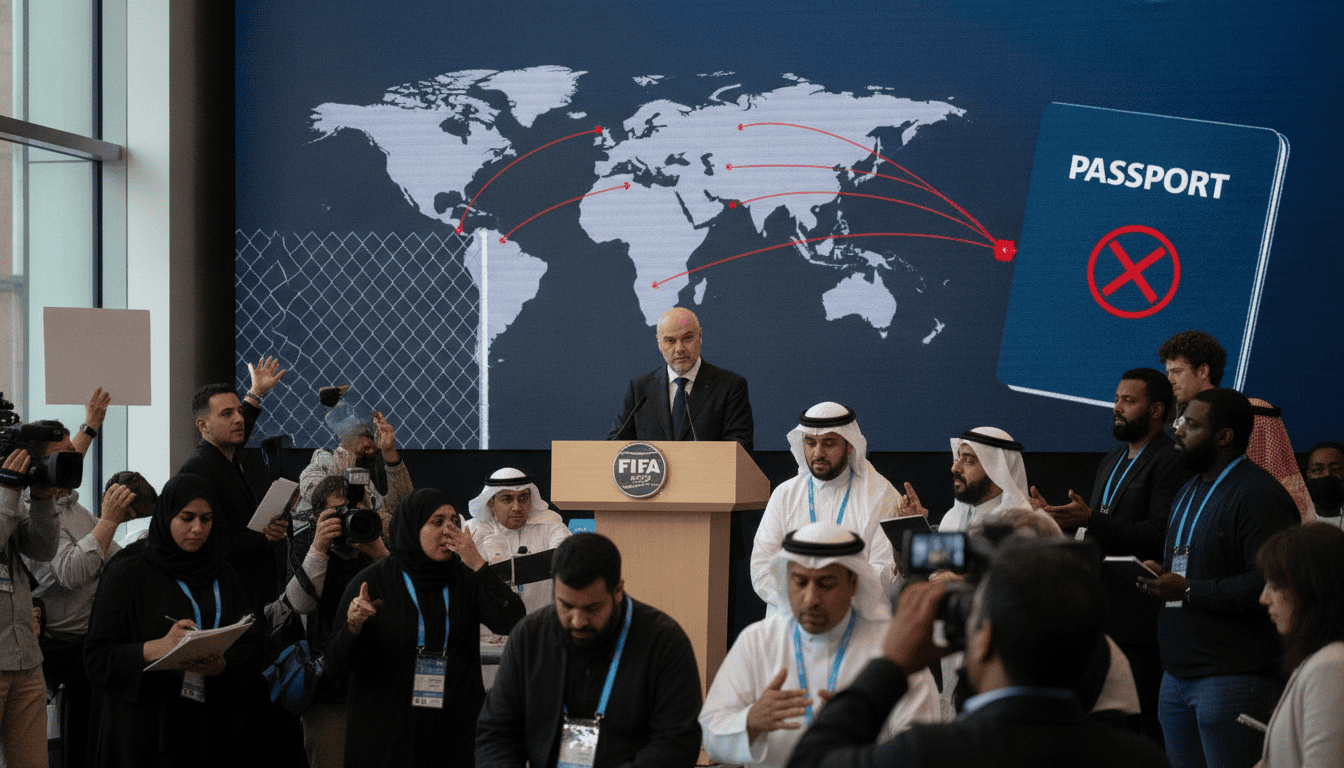
FIFA Human Rights Failures Exposed Over Visa Denials and Press Restrictions at 2026 World Cup
Human rights groups say FIFA human rights obligations were neglected at the 2026 World Cup as visa denials, restricted media access and ignored abuse allegations limited global participation
The 2026 World Cup has drawn sustained criticism from human rights organizations that say FIFA failed to ensure equal access and protection for fans, players and journalists. Groups monitoring the tournament reported that supporters from many African and Asian countries encountered prolonged or denied visa processes, undermining FIFA’s stated goal of an inclusive global event. Advocates also raised alarms about barriers to press coverage, allegations of sexual violence against players that went unaddressed, and intensified immigration enforcement in host cities.
Claims of Visa Denials for African and Asian Fans
Football fan networks and human rights monitors presented figures showing lengthy waits and frequent refusals for visas in multiple countries. Estimates released before and during the tournament suggested wait times of several hundred days in some locations, effectively preventing large numbers of ticketed supporters from traveling to the United States, Mexico and Canada.
Observers said the visible crowds for teams from Africa and Asia largely consisted of local diaspora communities and dual nationals who did not require visas, masking the absence of many supporters who could not obtain travel documents. The discrepancy between stadium atmospheres and the true, global fan turnout has become a central criticism of this World Cup’s accessibility.
Fan Groups and NGOs Cite Evidence
Representatives of Football Supporters Europe and other networks spoke publicly about their investigations and the sparse evidence that ticket-holders from affected regions actually entered host countries. Those groups compiled data and anecdotal reports that they say point to systemic problems in consular processing tied to the broader immigration stance of the U.S. government.
Human rights organizations argued that FIFA’s event planning did not adequately anticipate or mitigate those barriers, leaving fans from less-privileged countries at a structural disadvantage. The criticism highlights a gap between FIFA’s promotional language about global inclusion and the practical realities faced by supporters.
Journalists and Media Access Blocked
Press freedom advocates reported that numerous international reporters, particularly from African and Iranian outlets, encountered visa refusals or excessive hurdles when seeking to cover the tournament. The Committee to Protect Journalists and other media watchdogs catalogued cases in which accreditation processes and a hostile reporting environment impeded coverage.
Those restrictions, the groups said, affected the diversity of reporting from host cities and limited exposure to stories beyond the matches themselves. FIFA officials were repeatedly reminded of the organization’s stated duty to protect media access, but critics say those obligations were not enforced or prioritized.
Allegations of Sexual Violence Ignored
A coalition of rights organizations has criticized FIFA for a perceived failure to investigate and respond to allegations of sexual violence involving individuals connected to the sport. A report published in 2025 by the Sport & Rights Alliance documented patterns of inaction by sporting bodies and warned that silence compounds harm to survivors.
Advocates at the recent press briefings called on FIFA to adopt robust safeguards and transparent procedures for allegations of abuse, arguing that reputation and commercial interests should not override protection of victims. They urged immediate reforms to ensure allegations are addressed independently and consistently.
ICE Raids and Host Country Accountability
Human rights groups also linked the tournament to an escalation in immigration enforcement by U.S. authorities, saying increased raids and detentions in host regions created fear and risk for undocumented residents. Amnesty International described the enforcement pattern as part of a broader environment that exacerbated vulnerabilities during the event period.
Critics contend that FIFA’s promotional role and close cooperation with host authorities require the body to assess and mitigate risks that arise when major events are staged in countries with aggressive immigration policies. Calls were made for the organization to consider host-country practices when awarding and managing future tournaments.
Calls for Independent Oversight of FIFA
Scholars, campaigners and former players urged the establishment of independent monitoring bodies with the power to sanction FIFA when it fails to meet human rights commitments. Commentators pointed to structural weaknesses in existing governance that, they say, make self-policing ineffective for an organization of FIFA’s scale and influence.
Proponents of oversight argue that penalties and transparent accountability mechanisms would incentivize compliance with international norms and prevent recurrence of the issues seen in 2026. The debate over reform has intensified as rights groups press for concrete changes rather than repeated promises.
The mounting criticism of FIFA over visa denials, press restrictions and unaddressed abuse allegations has put the federation under renewed scrutiny ahead of future competitions. Human rights organizations say their findings demand a decisive response: concrete policy changes, independent oversight and meaningful remediation for those who were denied participation or protection during the tournament.
