
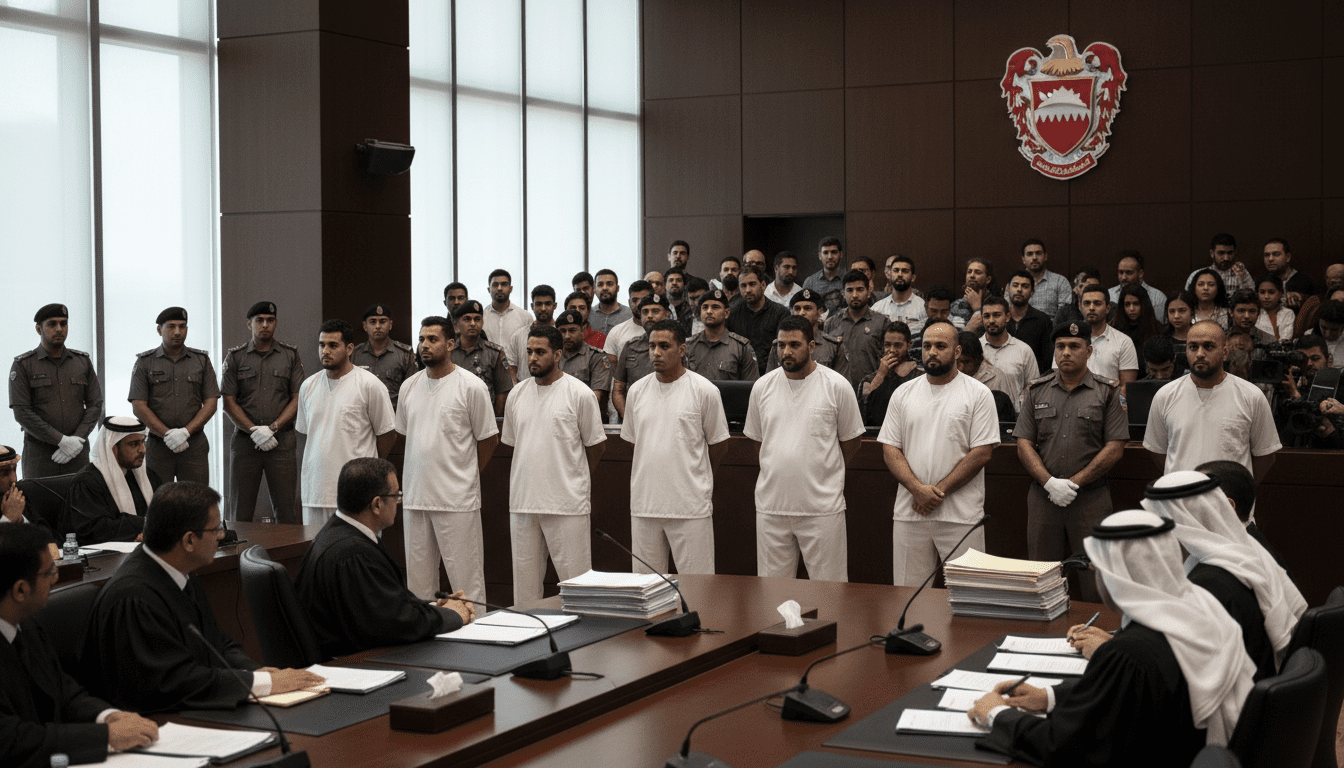
Bahrain sentences nine to life over alleged IRGC ties amid intensified crackdown
Bahrain has sentenced nine people to life in prison for allegedly collaborating with Iran’s IRGC; two others received three-year terms as the government escalates security measures.
Bahrain on 24 May 2026 handed down life sentences to nine defendants accused of carrying out “hostile and terrorist acts” in cooperation with Iran’s Islamic Revolutionary Guard Corps, state media reported, and two further defendants were jailed for three years each. The convictions form part of a wider campaign by Bahraini authorities targeting individuals accused of links to Tehran since the outbreak of regional hostilities in late February. Prosecutors allege the group carried out reconnaissance, facilitated funding flows including cryptocurrency transfers, and recruited domestic operatives to support attacks.
Court hands down life sentences
The criminal court found nine defendants guilty of collaborating with the IRGC in actions described by prosecutors as terrorist and espionage-related, and imposed life terms on those individuals. Two additional defendants were convicted of related charges and sentenced to three years each, according to the official announcement published on 24 May 2026.
State prosecutors portrayed the verdicts as the culmination of an investigation that produced photographic and financial evidence they say ties the accused to IRGC-directed operations. Authorities have presented the convictions as necessary to protect Bahrain’s security amid an unfolding regional conflict.
Prosecutors outline evidence and methods
Officials told the court that some defendants photographed strategic and vital sites inside Bahrain on behalf of IRGC handlers, providing imagery that could be used to plan attacks. Investigators also alleged the use of cryptocurrency and other mechanisms to transfer funds from Iran to finance operational activity, and described recruitment activities by individuals inside the kingdom.
Prosecutors said the case included communications and transactional traces they argue link suspects to external direction, though public reports did not release full details of the evidence in open court. Defense statements were not detailed in state briefings, and it was not immediately clear whether all defendants intend to appeal.
Recent arrests and mass detentions
Bahrain began a series of arrests in March 2026 shortly after Iran launched strikes across the Gulf in response to wider hostilities in late February, according to official timelines. Earlier this month authorities detained an additional 41 people, bringing the total number of recent arrests linked to alleged Iranian cooperation into the dozens.
The security sweep reflects an intensified posture by Manama as it says it counters threats aimed at American and allied interests in the region. Bahraini officials argue the measures are defensive responses to a wave of cross-border strikes and plots they attribute to Iranian direction.
Citizenship revocations draw human rights criticism
Less than two weeks after the latest batch of arrests, Bahraini authorities revoked the citizenship of more than 60 people accused of supporting Iranian attacks and colluding with foreign entities. Human rights groups voiced immediate concern over the practice of mass denaturalization and its legal and humanitarian implications.
The London-based Bahrain Institute for Rights and Democracy described the revocations as “dangerous” and argued they violate international law, saying the measures risk rendering families stateless and undermining due process. Government officials defended the actions as necessary to safeguard national security and punish treasonous conduct.
Regional responses and parallel cases in the Gulf
Bahrain’s crackdown follows similar moves by other Gulf states, where authorities have reported arrests and disruptions of cells they said were cooperating with Iran. The United Arab Emirates, for example, has said it dismantled an alleged group planning “terrorist acts” in recent weeks, underscoring a broader regional security emphasis.
Gulf governments have framed these operations as part of collective efforts to block external influence and to protect military and civilian infrastructure. Critics, however, warn that heavy-handed enforcement and broad-brush measures risk deepening domestic grievances, particularly in communities that already say they face political and economic marginalization.
Bahrain’s majority Shia community has long complained of discrimination in political and economic life, a grievance the government disputes while accusing Tehran of seeking to exploit sectarian divisions. The current prosecutions have heightened tensions by linking internal unrest to an external military confrontation, and they will likely shape both domestic politics and regional diplomacy in the months ahead.
