
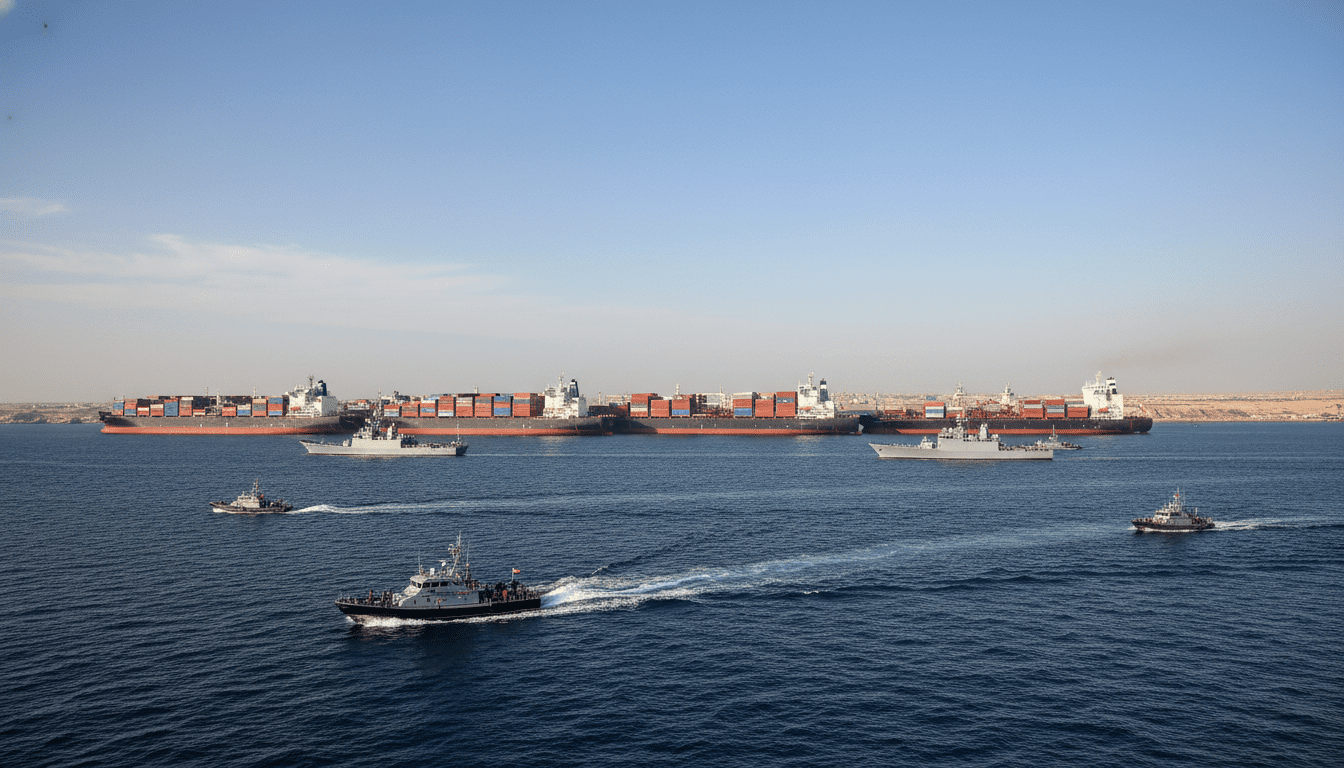
Strait of Hormuz Blockade Since March Raises Global Shipping and Energy Alarm
The Strait of Hormuz has been blocked to regular commercial traffic since early March, raising immediate concerns about global shipping and energy supplies as Tehran tightens control. The closure of the Strait of Hormuz has disrupted transit routes between the Persian Gulf and the Gulf of Oman and become a central lever in the wider Iran conflict.
Iran Tightens Control Over the Strait of Hormuz
Since early March, Iranian forces have exercised effective control over transit through the Strait of Hormuz, imposing restrictions that have halted routine commercial passage. Iranian authorities and allied maritime units have signaled they view control of the waterway as a defensive and strategic bargaining tool amid rising tensions with the United States and Israel. Naval patrols and access limitations have transformed the narrow channel into a flashpoint that could determine the pace and scale of any further military escalation.
Dual Blockades and International Posturing
U.S. naval commands have responded with a combination of patrols and their own restrictions, creating a situation in which both Iran and the United States are effectively contesting access to the strait. Officials in Washington have reiterated demands that Tehran end activities tied to its nuclear program, while Tehran has framed its actions as necessary deterrence. That standoff, centered on competing security objectives, has reduced the window for rapid diplomatic de-escalation and increased the probability of intermittent interruptions to commercial traffic.
Immediate Economic Consequences for Shipping and Energy
The Strait of Hormuz is a critical chokepoint for global energy shipments and regional trade, and its closure is already rippling through markets and insurers. Tanker routes that normally transit the strait carry a significant share of the world’s oil and liquefied natural gas, and disruption has prompted urgent rerouting and higher freight rates. Shipping companies face longer voyages, increased insurance premiums and logistical bottlenecks that could translate into higher costs for consumers and producers worldwide.
Strategic Calculations and the Risk of Escalation
Iran’s control of the strait offers it a high-value deterrent against potential military strikes, complicating strategic calculations for any actor considering direct action. Military planners must weigh the immediate benefits of limited strikes against the broader economic and diplomatic fallout of prolonged chokepoint denial. Analysts warn that a cycle of targeted attacks and countermeasures could entrench the blockade, making restoration of normal transit more difficult even if kinetic hostilities subside.
Global Trade Adaptation and Long-Term Vulnerabilities
Trade routes and energy supply chains will adapt, but at economic and logistical cost. Some cargo will reroute around the Cape of Good Hope or through overland corridors, adding days or weeks to transit times and pushing up fuel consumption. Governments and commercial operators may seek new diversification strategies, yet the sudden shock highlights the persistent vulnerability of concentrated maritime chokepoints to geopolitical disputes. Multilateral diplomatic efforts and contingency planning are likely to intensify as companies and states hedge against protracted instability.
German Election Administration Remains Resilient Despite Challenges
Meanwhile in Germany, officials are preparing for the next major election cycle well ahead of time, with formal preparations for the 2029 Bundestag vote slated to begin in August 2027 and roughly 700,000 people expected to help run the process. Germany’s civic infrastructure has overseen thousands of polls since the republic’s founding, and despite isolated incidents such as the 2021 Berlin voting problems, public confidence in the electoral system remains high. Election administrators attribute that trust to decentralized execution, professional training and routine cross-checks that limit the impact of sporadic disruptions.
Lessons Drawn by Election Experts and Public Confidence
Election specialists point to strong local management, transparent procedures and rapid remedies for complaints as key reasons German ballots have largely proceeded without serious compromise. After the 2025 federal vote, authorities recorded about 1,000 complaints but judged none to have undermined overall results, underlining the resilience of institutional safeguards. Observers say the durability of democratic procedures amid technical and political stress offers a counterpoint to the fragility seen in some international arenas, where strategic chokepoints can cause outsized disruption.
The current standoff over the Strait of Hormuz and the steady functioning of domestic democracies highlight how different forms of systemic resilience are tested by geopolitics and governance challenges. While Tehran’s maritime posture increases the likelihood of sustained interruptions to a major global artery, established administrative systems such as Germany’s election machinery demonstrate the stabilizing effect of routine, distributed operations. For policymakers and businesses alike, the coming months will test whether diplomatic pressure and institutional preparedness can keep commerce and democracy moving despite mounting international tensions.
