
Regulatory Council Faults Building Modernization Act Draft, Warns of Added Costs and Complexity
Germany’s Regulatory Control Council slams the Cabinet’s Building Modernization Act draft, warning it creates bureaucracy, costs and legal uncertainty for homeowners.
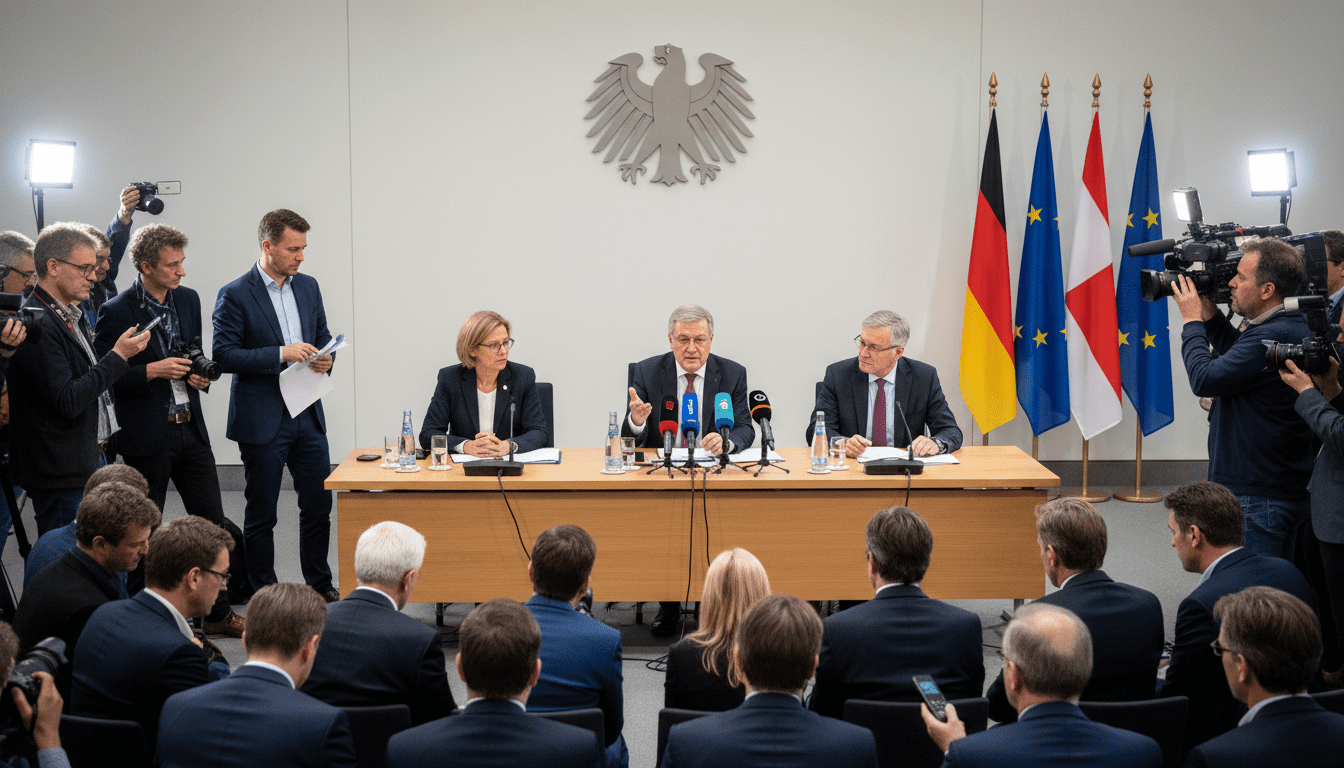
Germany’s independent National Regulatory Control Council publicly criticized the Cabinet’s draft of the Building Modernization Act on Thursday, saying the proposal is poorly crafted and detached from practice. The council’s chair, Lutz Goebel, told media the law as written would increase administrative burdens and require homeowners to seek costly external advice. The Cabinet approved the draft on Wednesday, May 13, 2026, setting a path for parliamentary debate ahead of the summer recess.
Regulatory Council Criticizes Draft Quality
The National Regulatory Control Council described the proposed law as one of the weakest drafts it has reviewed in recent years and said it risks creating confusion rather than clarity. Chair Lutz Goebel argued the measure would undermine the government’s promise to cut red tape by introducing new obligations, proof requirements and legal uncertainty for citizens. The council urged lawmakers in the Bundestag to scrutinize industry and association input and to substantially revise the text during parliamentary consideration.
The council’s assessment focuses on administrative practicability and enforceability, areas it monitors as an independent advisory body. Its critique carries weight because the institution is charged with advising the federal government on how to reduce bureaucracy, improve regulatory quality and promote digital administration.
How the Draft Changes Heating Rules
Under the Cabinet-approved draft, the previous requirement embedded in Germany’s heating law — that new heating systems operate with at least 65 percent renewable energy — would be abandoned. Instead, the proposal foresees a gradual blending of more climate-friendly fuels into new oil and gas heating systems over time, shifting regulatory emphasis from equipment composition to fuel content. Supporters describe the change as a pragmatic transition step, while critics say it weakens incentives to adopt fully renewable heating technologies.
The draft is presented as part of a broader Gebäudemodernisierungsgesetz package meant to steer building-sector emissions reductions, but its technical mechanisms have become the focal point of contention among policymakers, experts and civil society.
Public Protests and Environmental Criticism
The Cabinet decision drew visible protest outside the Chancellery, where climate and social organizations, including Fridays for Future, staged demonstrations under the slogan “Your politics burns our future.” Activists argue the replacement of the 65 percent renewable requirement signals a regression in climate policy and could lock households into fossil-fuel dependence. Environmental groups also warned that the shift could increase long-term heating costs and undermine Germany’s decarbonization trajectory for buildings.
Social advocacy organizations added that any policy increasing complexity or cost in the energy transition risks disproportionately affecting lower-income households. They have called on parliamentarians to tighten safeguards and ensure affordability and fairness in implementation.
Impact on Homeowners: Bureaucracy and Cost Risks
The Regulatory Control Council highlighted specific provisions it says will impose extra bureaucratic and advisory costs on property owners, citing complex rules for allocating ancillary heating costs when fossil systems are installed. According to the council, many condominium owners would not be able to comply without hiring external consultants to interpret cost-splitting obligations and proof requirements. That potential need for paid advice, the council noted, undermines the stated goal of reducing administrative burdens for citizens.
Consumer advocates have echoed those concerns, pointing to the cumulative effect of new reporting duties, documentation obligations and potential disputes among co-owners about cost allocation. They recommend clearer, simpler rules and stronger guidance so that legal uncertainties do not translate into higher bills or court cases.
Industry Response and Outstanding Technical Questions
Business and industry associations offered a measured reaction, welcoming elements of the reform while flagging numerous open technical and practical questions. Some trade groups argued that blending greener fuels into existing supply chains could be a viable near-term decarbonization route, but they also sought clarity on blend levels, transition timelines and measurement standards. Manufacturers and installers want predictable rules to plan investments and product development, they said.
Economic representatives stressed the need for detailed implementing regulations and transitional provisions to avoid market disruption. Both industry and trade unions urged legislators to resolve ambiguities before final passage to prevent legal disputes and supply-side bottlenecks.
Parliamentary Process and Timeline Ahead
With the Cabinet having adopted the draft, the Building Modernization Act now moves to the Bundestag for debate, amendment and voting, with proponents aiming for passage before the parliamentary summer break in July. Lawmakers from multiple parties are expected to table revisions, and the Regulatory Control Council has called on parliament to incorporate association feedback and reduce procedural complexity. Committees in both the Bundestag and Bundesrat will likely examine the bill’s administrative and fiscal impacts in more detail.
The outcome will depend on negotiations between coalition partners, opposition parties and sector stakeholders over technical parameters and social safeguards. Any significant rewrites in committee could alter implementation timelines and the practical effects on households and businesses.
The controversy over the draft has highlighted the trade-offs facing German policy-makers as they try to accelerate building-sector decarbonization while managing cost, complexity and social equity concerns.
