
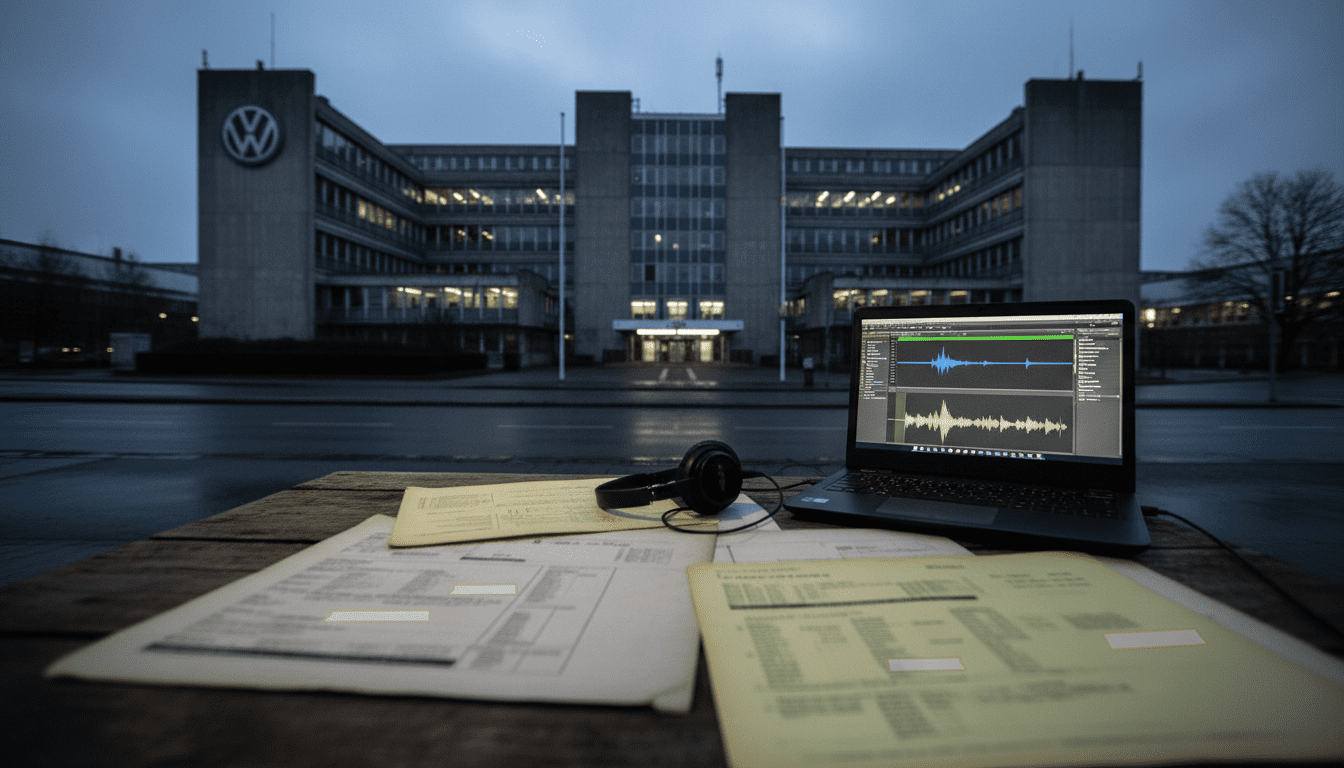
VW diesel scandal: Why the emissions fraud still haunts Volkswagen
New episode of “Die VW‑Story” traces the VW diesel scandal to executives, suppliers and engineers, explaining why investigations and legal fallout still linger in 2026.
The latest episode of the podcast Die VW‑Story revisits the VW diesel scandal, arguing that decisions by executives and actions by suppliers laid the groundwork for a fraud that continues to reverberate. The episode names a former VW board member and a Bosch engineer among those who shaped early technical choices, and it details how investigations and litigation have persisted up to May 14, 2026. The podcast frames the scandal not as a closed chapter but as an unfolding legal and corporate tale that still affects Volkswagen’s operations and reputation.
Podcast traces early decisions to boardroom and supplier meetings
The episode reconstructs meetings and memos from the run‑up to the emissions manipulations, suggesting that technical compromises were discussed in executive circles alongside supplier briefings. It emphasizes that software choices and hardware trade‑offs were not merely engineering glitches but subjects of strategic deliberation. By following a trail of internal documents and interviews, the podcast argues those discussions help explain why the misconduct grew systemic rather than remaining isolated.
Former VW board member and Bosch engineer featured in narrative
Central to the new installment are interviews and archival material that highlight the roles of a former VW board member and an engineer employed by Bosch. The podcast does not issue legal verdicts but presents testimony and contemporaneous records that place both figures at key moments when compliance risks were assessed. Listeners are offered a granular look at how responsibilities were distributed between automaker executives and tier‑one suppliers during the critical development phases.
Investigations across jurisdictions remain active as of May 14, 2026
The episode underscores that probes into the diesel case have not been fully wound down, noting continuing inquiries in multiple countries and ongoing civil suits. German and international prosecutors, private claimants and regulatory authorities have pursued different tracks of accountability, ranging from corporate fines to individual charges. That sustained legal pressure helps explain why the scandal continues to shape boardroom priorities and public perception more than a decade after the initial revelations.
Technical mechanics: defeat devices, NOx emissions and software control
The podcast provides a clear explanation of the technical mechanisms that enabled the discrepancy between laboratory tests and on‑road nitrogen oxides readings. It describes software strategies that altered emissions behavior during official testing cycles and how engine management settings were calibrated to prioritize test compliance over real‑world environmental performance. Engineers and technical documents cited in the episode illuminate the trade‑offs between emissions control, fuel economy and performance that drove some of the decisions now under scrutiny.
Financial penalties, settlements and compensation programs have not closed the chapter
Financial consequences have been significant, with Volkswagen incurring large fines, settlement obligations and recall costs across different markets. Yet the podcast argues that monetary penalties alone have not resolved the broader liabilities, since follow‑on litigation and claims for compensation continue to emerge. The continuing legal exposure, together with remediation and buyback programs, has had a lasting effect on corporate cash flow and balance‑sheet planning, even as Volkswagen has redirected resources toward electrification.
Regulatory and political effects have reshaped oversight of the auto industry
Public hearings — including high‑profile testimony by former executives such as the 2017 Bundestag appearance by ex‑CEO Martin Winterkorn — and the scandal’s political fallout led to tightened regulatory scrutiny in Europe and the United States. The podcast traces how that scrutiny prompted changes in test procedures, greater use of on‑road testing, and new compliance frameworks within manufacturers. Lawmakers and regulators have cited the episode’s reconstructed timeline as a reminder of why independent oversight and more transparent supplier disclosure remain policy priorities.
Reputation, market response and Volkswagen’s strategic pivot
Beyond fines and courtrooms, the VW diesel scandal has had persistent effects on consumer trust and brand value, the podcast notes, shaping buyer attitudes and investor expectations. Volkswagen’s accelerated push into electric vehicles and software development is presented as both a strategic response and a reputational repair effort designed to demonstrate long‑term change. Still, the episode suggests that rebuilding credibility takes time, and that corporate transformations must be accompanied by verifiable governance reforms to persuade skeptical stakeholders.
The new episode of Die VW‑Story frames the scandal as an institutional failure with technical, managerial and legal dimensions that have continued to unfold well into 2026. By combining documentary evidence with interviews, the podcast offers listeners a compact but detailed account of how decisions inside carmakers and supplier firms produced consequences that neither fines nor reform programs have fully erased.
Public attention to the VW diesel scandal persists because the case touches on enduring questions about corporate culture, supplier relationships and the adequacy of regulatory safeguards. As investigations, suits and policy changes continue to play out, the debate sparked by the podcast underscores that the incident remains a touchstone for discussions about accountability in the auto industry.
