
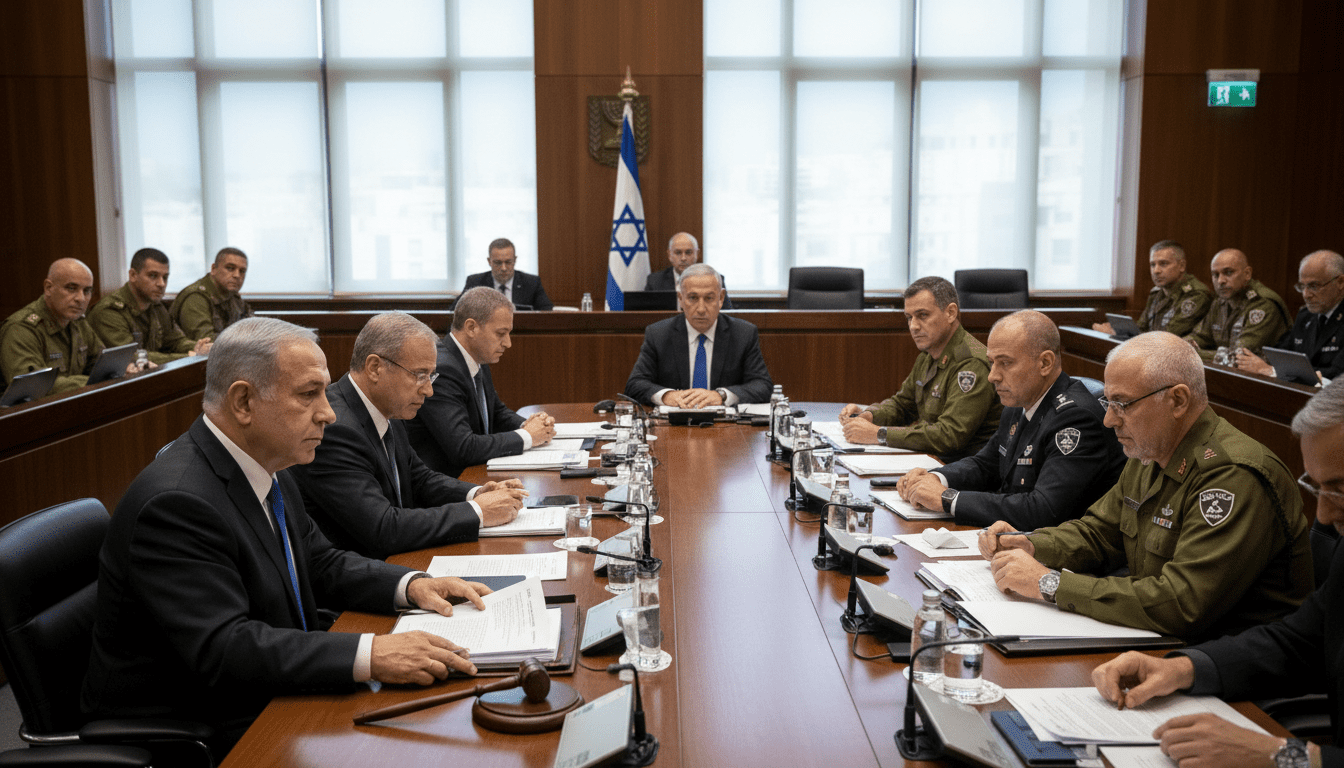
Israeli military tribunal approved to prosecute hundreds tied to October 7 attacks
Israel approves an Israeli military tribunal to try hundreds accused in the October 7, 2023 attacks; law passed May 11, 2026 amid due‑process concerns.
The Israeli parliament on May 11, 2026 passed legislation creating a special Israeli military tribunal to prosecute hundreds of Palestinian fighters accused of taking part in the October 7, 2023 attack. Lawmakers said the measure is intended to deliver judicial accountability for a shock attack that left at least 1,200 people dead and more than 250 abducted, and to help the country reckon with the trauma of that day. The new court was approved by an unusually broad Knesset majority of 93 of 120 members, underscoring rare cross-party agreement.
Mandate and scope of the special tribunal
The statute establishes a dedicated military court with jurisdiction over fighters captured during the October 7 operations and others subsequently detained in the Gaza Strip who are suspected of involvement in the assault or in the detention or mistreatment of Israeli hostages. Officials say the tribunal could try hundreds of defendants, though precise figures remain classified; Israeli authorities currently estimate that roughly 200–300 fighters captured in the aftermath are being held. Prosecutors will be empowered to bring charges under existing Israeli criminal law, including counts that carry the death penalty.
How trials will be conducted and public access rules
The law requires trials to be held in a military framework but sets public procedures for key hearings and authorizes live broadcasting of important sessions. Defendants will generally participate in proceedings remotely, with physical attendance restricted to decisive hearings, while survivors and victims will be granted personal access under the new rules. Legislators framed public airing of portions of the trials as a means to ensure transparency while addressing security and evidentiary concerns.
Parliamentary politics and the vote
The bill was drafted and advanced by members of both the governing coalition and opposition, and passed by a vote of 93 to 27 in the Knesset, a showing Israeli leaders described as a rare moment of national unity. Supporters argued that ordinary criminal courts and existing military tribunals were insufficient for the scale and sensitivity of the October 7 cases. Lawmakers also emphasized the need to channel public demands for justice into formal judicial processes rather than extrajudicial retribution.
Legal and human rights questions from experts
International law scholars and rights advocates have cautioned that placing mass prosecutions in a military court structure raises significant rule‑of‑law concerns. Ya’ara Mordecai of Yale Law School warned that the military framework and the political atmosphere surrounding the cases could risk politicization or proceedings resembling symbolic “show trials.” Critics have urged clear safeguards for due process, independent judicial review, and full access to defense counsel to meet international standards.
Possible penalties and historical context
Certain offenses likely to be charged under the new tribunal carry the death penalty under Israeli statute; the law stipulates that any death sentence would automatically trigger an appeal on behalf of the defendant. Israel’s last execution was in 1962, when Nazi war criminal Adolf Eichmann was hanged after capture and trial, and while military courts in the occupied West Bank retain the power to impose death sentences, they have never carried out such executions. The automatic appeal provision was presented by supporters as a legal check on the most severe punishment.
Victims, secrecy and the Gulf of public sentiment
Survivors, families of victims and many in the electorate have pressed for decisive justice since the October 7 attack, which saw attackers breach border defenses, strike communities and military installations in southern Israel, and seize civilians from a music festival. Government statements have tied the tribunal to national healing and the restoration of the rule of law, saying formal trials will prevent summary retribution. Nevertheless, officials have kept the exact number of detainees and many investigative details secret, citing security and intelligence considerations.
The passage of the law marks a significant turn in Israel’s legal and political response to the October 7 assault and its aftermath. As preparations begin to bring cases before the new tribunal, the practical balance between transparency, security and the protection of defendants’ rights will be closely watched by domestic constituencies and international observers alike.
