
EU Announces New Sanctions on Israeli Settlers Over West Bank Violence
EU announces sanctions on settler groups and individuals tied to West Bank violence; assets frozen and travel bans to target four organizations and three people.
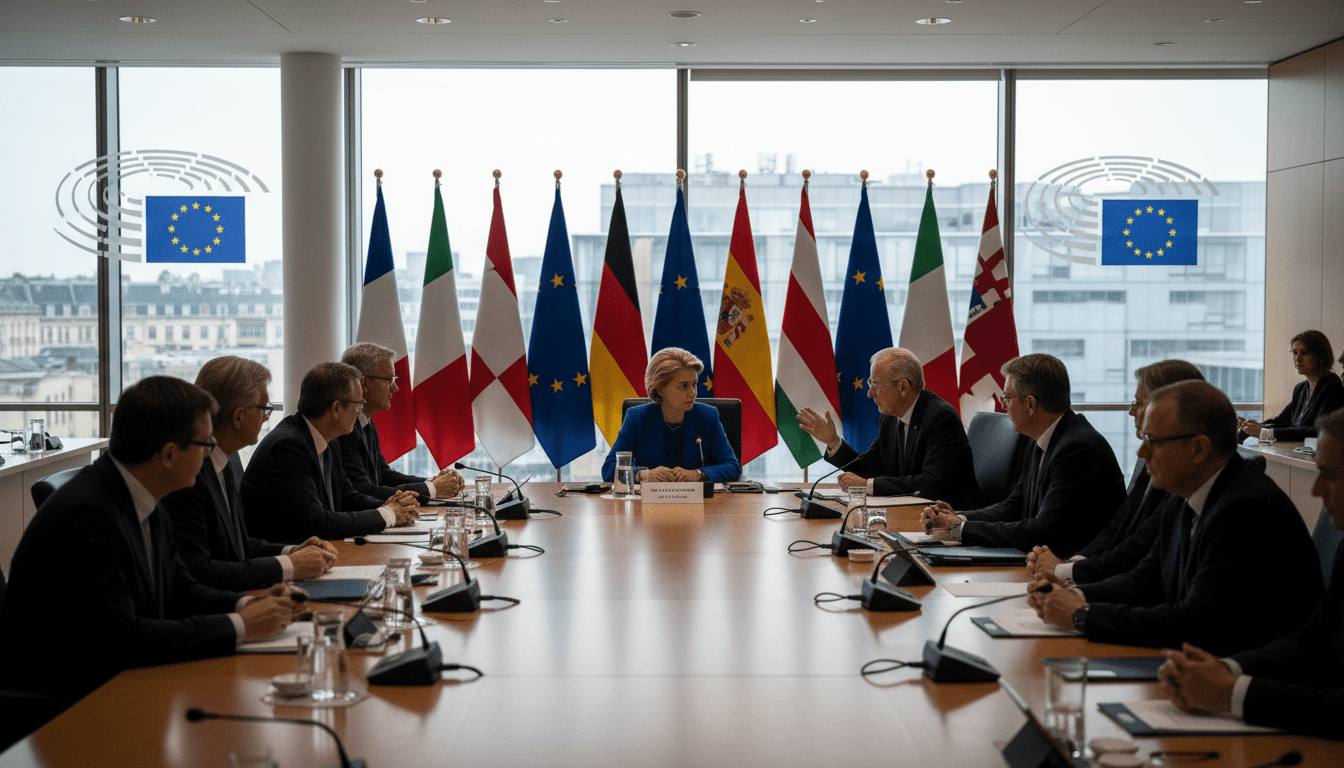
The European Union’s foreign ministers agreed to a fresh package of sanctions aimed at Israeli settler groups and individuals accused of violent attacks on Palestinians in the occupied West Bank. The decision, announced by EU foreign policy chief Kaja Kallas, targets four settler organizations and three individuals and will impose asset freezes and EU-wide travel and transit bans. The measures also include new listings against representatives of the Islamist group Hamas and follow an earlier set of sanctions introduced by the EU in 2024.
Details of the Sanctions Package
The sanctions will require any assets held within EU jurisdictions to be frozen and prohibit listed individuals from entering or transiting through the bloc. Officials said the measures are expected to be formalized in the coming weeks, with detailed names and organizational identifications to be published once the legal steps are complete. The package is focused on groups and leaders tied to acts of intimidation, violence and property destruction against Palestinians.
EU foreign ministers described the steps as a response to a pattern of escalating settler violence that international observers and European capitals view as destabilizing. Kaja Kallas emphasized the bloc’s intention to make clear that extremist acts and attacks against civilians will carry consequences under EU law and policy.
Targets and Notable Omissions
According to the EU statement, the sanctions target seven entities in total: four settler organizations and three individuals who are believed to be leaders or facilitators within those groups. While some EU governments had previously urged broader listings that might include senior Israeli ministers, diplomats said right-wing cabinet members Bezalel Smotrich and Itamar Ben-Gvir are unlikely to be included in this round of measures. Full names and specific designations will be published once the Council formally adopts the listings.
In parallel, the EU agreed on further measures aimed at representatives of Hamas, extending financial and travel restrictions already in place against individuals tied to the group. The dual focus was presented by EU officials as an attempt to address violence emanating from different actors across the Israeli-Palestinian context.
Israeli Government Reaction
Israel’s foreign minister, Gideon Saar, publicly rejected the sanctions as “arbitrary” and said the measures represented a moral distortion that equated ordinary Israeli citizens with terrorists. Saar argued that Israel would continue to defend the right of Jewish communities to live in what he described as the historic heartland, and he warned that the sanctions would not succeed in imposing political positions on Israel. Israeli officials also indicated they would challenge listings that they consider politically motivated.
Responses within Israel are likely to vary, with some centrist and left-leaning figures acknowledging the problem of settler violence while hard-right political leaders denounce external interference. The government’s reaction could shape bilateral relations with individual EU states and affect cooperation on security and diplomatic matters.
Political Roadblocks and the Hungarian Veto
The new measures follow months of diplomatic deadlock in Brussels after Hungary vetoed additional sanctions earlier this year, citing objections that required unanimity among member states for foreign-policy decisions. EU diplomats said the impasse ended after a change of government in Budapest, which cleared the way for political agreement among the bloc’s foreign ministers. The Council’s legal machinery will now proceed to convert the political decision into formal listings and restrictive measures.
The delay highlighted divisions within the EU over how to respond to developments in the occupied territories and drew criticism from human-rights groups that had urged swifter action to curb settler violence and protect Palestinian civilians.
Context: Rising Violence and Settlement Expansion
European officials and rights organizations say settler violence against Palestinians has increased markedly since the Hamas-led attacks of October 7, 2023 and the ensuing war in Gaza. Analysts note that attacks on civilians, arson against homes and agricultural sabotage in the West Bank have contributed to worsening daily conditions for Palestinian communities. The occupied West Bank is home to roughly three million Palestinians and more than half a million Israelis living in settlements and outposts that the international community largely deems illegal under international law.
Observers also argue that settlement expansion and the activities of radical settler groups constitute a significant obstacle to any negotiated peace, complicating international mediation efforts and humanitarian access in the territory.
Possible Effects and International Response
EU officials framed the sanctions as a targeted tool intended to deter further violence and signal that political and financial links enabling extremist activity will face consequences. The measures may constrain fundraising, travel and international engagement for the groups and individuals designated. Some European diplomats cautiously suggested the listings could encourage other international partners to consider parallel steps, while critics warned that unilateral punitive measures risk inflaming tensions and could harden positions on all sides.
Human-rights organizations welcomed the EU’s decision as an overdue step to hold accountable those behind settler violence, but they urged that sanctions be accompanied by clear monitoring mechanisms and support for civilian protection and rule-of-law interventions in the West Bank.
The coming weeks will reveal the specific names and legal language of the listings, and how both Brussels and Jerusalem navigate the political fallout from the sanctions.
For now, EU foreign ministers say the action marks a renewed willingness by the bloc to use restrictive measures in response to attacks on civilians and to underscore that extremist violence will not go unchecked.
