
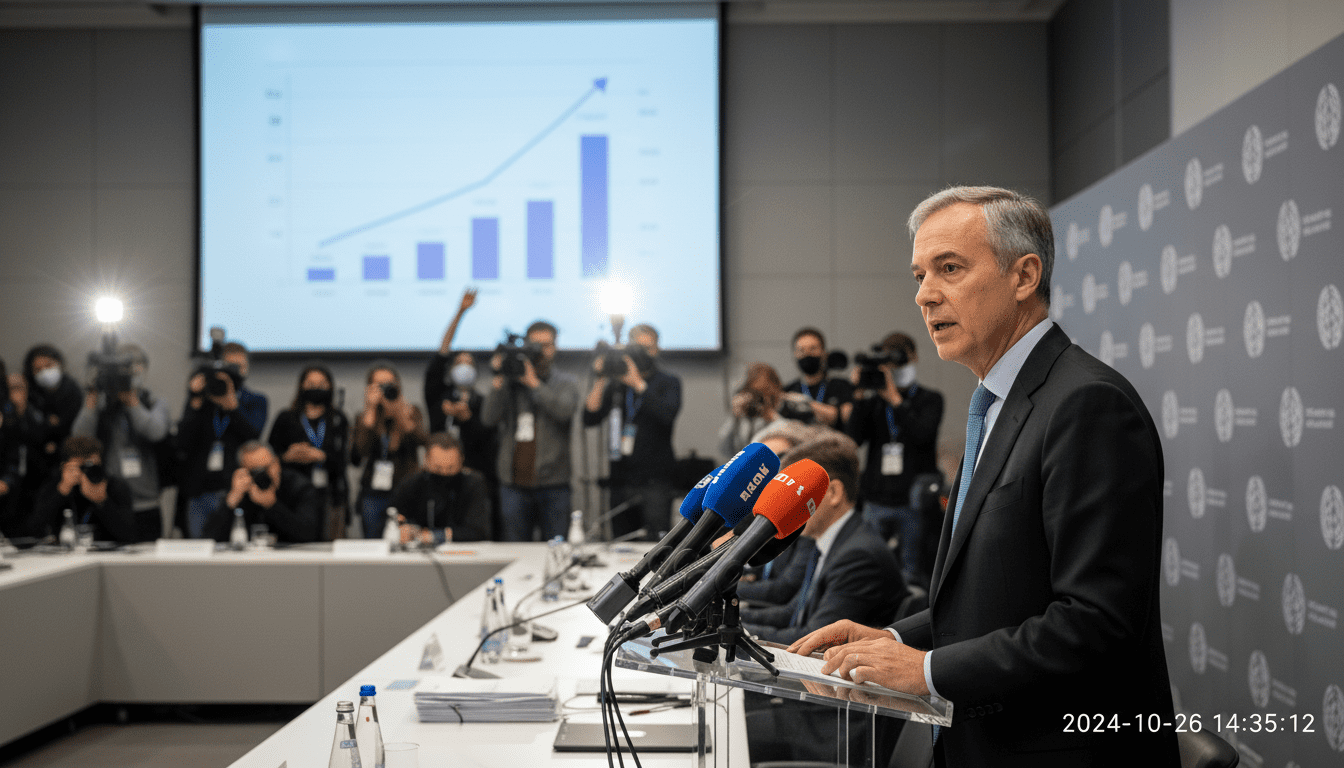
Katherina Reiche says kerosene reserves intact as jet fuel prices set to rise
Katherina Reiche says kerosene reserves remain but jet fuel prices will rise, warning of higher travel costs amid Hormuz tensions and pipeline disruptions.
Germany’s economy minister, Katherina Reiche, said on Monday that national kerosene reserves are not exhausted but that passengers should expect higher jet fuel prices, signalling rising travel costs this summer. Reiche made the remarks during a visit to the PCK refinery in Schwedt, which supplies aviation fuel to the Berlin Brandenburg Airport, and sought to temper fears of large-scale flight cancellations. She framed the situation as a price-driven market response rather than a collapse of air services, and said authorities are coordinating closely with industry partners.
Reiche inspects PCK refinery in Schwedt
During her visit to the Brandenburg facility, Reiche emphasised that existing kerosene reserves remain available and that production lines are operating to supply regional demand. Company representatives confirmed output for aviation and heating fuels, and the minister said she had convened talks with refinery managers to review stock levels. Her presence was intended to reassure both the public and airline operators about immediate fuel availability.
Key supply shocks behind price rise
Officials and industry sources point to two primary disruptions driving the spike in jet fuel costs: heightened maritime risk in the Strait of Hormuz linked to the conflict involving Iran, and a disruption to crude flows through the Druzhba pipeline. German officials have said Kazakh crude shipments routed through Russia and the Druzhba system stopped in early May 2026, removing a notable supply stream for some refineries. The combination of longer tanker routes and reduced pipeline throughput has tightened global crude availability and pushed refining margins higher.
Impact on holiday travel and ticket prices
Reiche acknowledged that higher jet fuel prices are likely to translate into more expensive air fares and stressed the direct impact on holidaymakers. She said market signals already show behaviour that could become a burden for individual travellers, with demand-sensitive pricing and surcharges more likely this season. At the same time, she argued that higher costs do not equate to grounded flights and that airlines remain operational even as they pass on expenses to customers.
Political debate and industry warnings
The price spike has prompted a political and sectoral exchange. Finance Minister Lars Klingbeil raised alarms in mid-April about potential kerosene shortages and urged contingency planning, touching off broader debate in government circles. The German Aviation Association (BDL) warned of noticeable cuts to flight schedules if supply tightness persisted, while Reiche criticised what she described as alarmist public discussion and insisted that Germany’s energy and transport systems are currently secure.
Coordination among government, airlines and refineries
Reiche said the ministry is in regular contact with airlines, refinery operators and airport managers to monitor stocks and logistics in real time. She described contingency arrangements as focused on stock rotations, alternate sourcing and prioritising supply to critical routes and infrastructure. Authorities are also reviewing the use of strategic fuel reserves and import options, she added, while stressing that no immediate release of national emergency stocks had been announced.
Outlook for carriers and consumers this summer
Market analysts expect jet fuel prices to remain elevated while geopolitical and pipeline issues persist, which could sustain higher fares into peak travel months. Airlines may respond with a mix of capacity adjustments, fuel surcharges and route rationalisations to protect profit margins, though large-scale service suspensions are not currently predicted by the ministry. For consumers, the immediate consequence is likely to be higher ticket prices and potentially reduced promotional capacity on cost-sensitive leisure routes.
Germany’s economic ministry has signalled vigilance, reiterating that aviation supply chains are being tracked and that measures can be scaled if conditions deteriorate. Travelers and industry stakeholders will be watching crude shipments, maritime security developments and refinery throughput in the coming weeks as determinants of whether price pressures ease or intensify.
