
Bundesrat Rejects 1,000-euro Relief Bonus, Citing Fiscal Risks to States
Bundesrat rejects the 1,000-euro relief bonus, prioritizing state budget stability; employers sidestep higher labour costs while businesses and workers face ongoing uncertainty.
Bundesrat Blocks 1,000-euro Relief Bonus
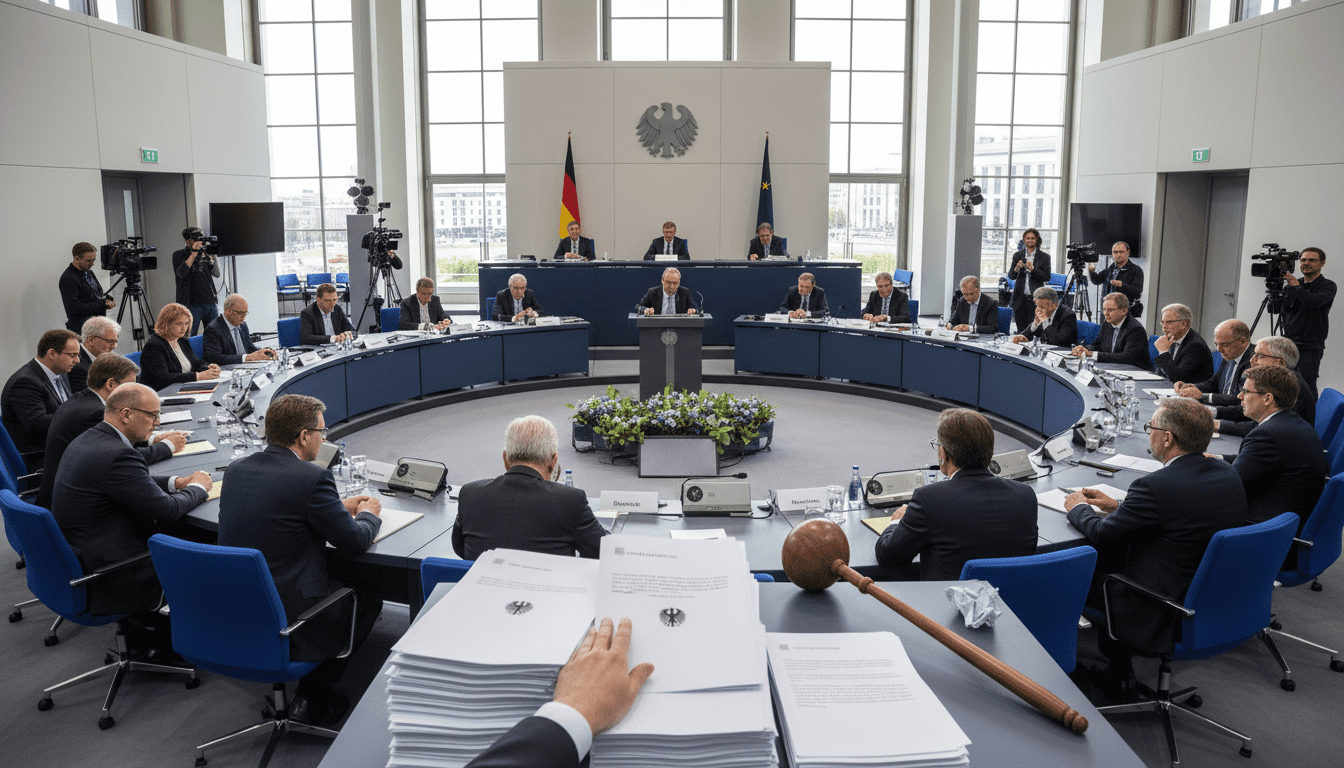
The Bundesrat voted against the government’s proposed 1,000-euro relief bonus for employees, delivering a decisive setback to the ruling coalition’s plan. Lawmakers from the Länder argued the measure threatened regional and municipal finances and therefore could not be approved in its current form.
The rejection prevents an immediate change to tax and contribution rules that would have reduced public revenues if employers passed the payment through as a deductible expense. For the coalition, the outcome represents both a legislative failure and a political embarrassment.
Fiscal Pressure on States Drove the Decision
Officials in the Länder framed their opposition primarily as a defence of already strained budgets at state and local levels. They warned that widespread use of the bonus as a deductible employer expense would erode tax bases and complicate budget planning for services and investments.
This move reflects a broader tension between federal initiatives designed to provide targeted relief and regional authorities tasked with maintaining balanced accounts. The Bundesrat’s stance underscores the influence of fiscal considerations in assessing national relief proposals.
Employers Would Have Faced Rising Labour Costs
A central concern behind the Bundesrat’s rejection was the indirect effect on employers, who the government expected to fund much of the proposed bonus. While participation would have been formally voluntary, businesses would likely have faced strong pressure from workers and public expectations to pay the amount.
Many firms already report mounting challenges from higher energy prices and rising social contributions, and adding another expected outlay risked forcing employers to choose between industrial disputes and further cost increases. The Bundesrat’s decision removes that immediate dilemma for companies struggling with tight margins.
Coalition’s Packaging and Political Miscalculation
The 1,000-euro relief bonus was presented by Chancellor Friedrich Merz and Finance Minister Lars Klingbeil as a one-off gift to workers intended to ease cost-of-living burdens. But critics argued the package was poorly designed and politically naive, failing to account for the fiscal incentives it created for employers.
By styling the payment as a “premium” that employers could claim as deductible costs, the coalition created a scenario in which the measure’s fiscal impact depended on corporate behaviour. That conditionality appears to have intensified Länder scepticism and ultimately contributed to the federal initiative’s collapse in the Bundesrat.
Mediation, Compensations and the Next Steps
With the Bundesrat’s refusal, the government can seek a compromise through the mediation process, in which the Bundestag and Bundesrat negotiate a revised text. The coalition may try to lure the Länder back with fiscal compensations or clearer limits on deductibility to allay budgetary fears.
Yet such offers would come at a political and financial price. Compensatory payments to states would reduce the net benefit of the bonus and risk further criticism that federal funds are being used to override regional prerogatives.
Implications for Workers and Businesses
For workers, the rejection denies an immediate cash injection intended to alleviate household budgets, leaving the question of alternative support measures open. For businesses, the decision brings short-term relief from a potential new cost driver, but uncertainty persists over future policy moves and their interaction with wages and contributions.
Observers say the episode highlights the fragile alignment between national relief ambitions and the fragmented fiscal responsibilities within Germany’s federal system. The outcome may prompt more cautious policy design in future measures that aim to combine social relief with employer incentives.
Temporary relief for employer balance sheets does not resolve deeper structural issues such as rising ancillary labour costs and energy-dependent burdens on firms. Any future attempt to revive a relief measure will need to reconcile the coalition’s political objectives with the Länder’s fiscal constraints and the practical realities facing employers and employees alike.
