
Restaurant VAT cut fails to lower prices as German dining sector remains under pressure
Despite a restaurant VAT cut to 7%, consumer prices for meals have not fallen; data show prices rose and operators still face high costs and weak demand.
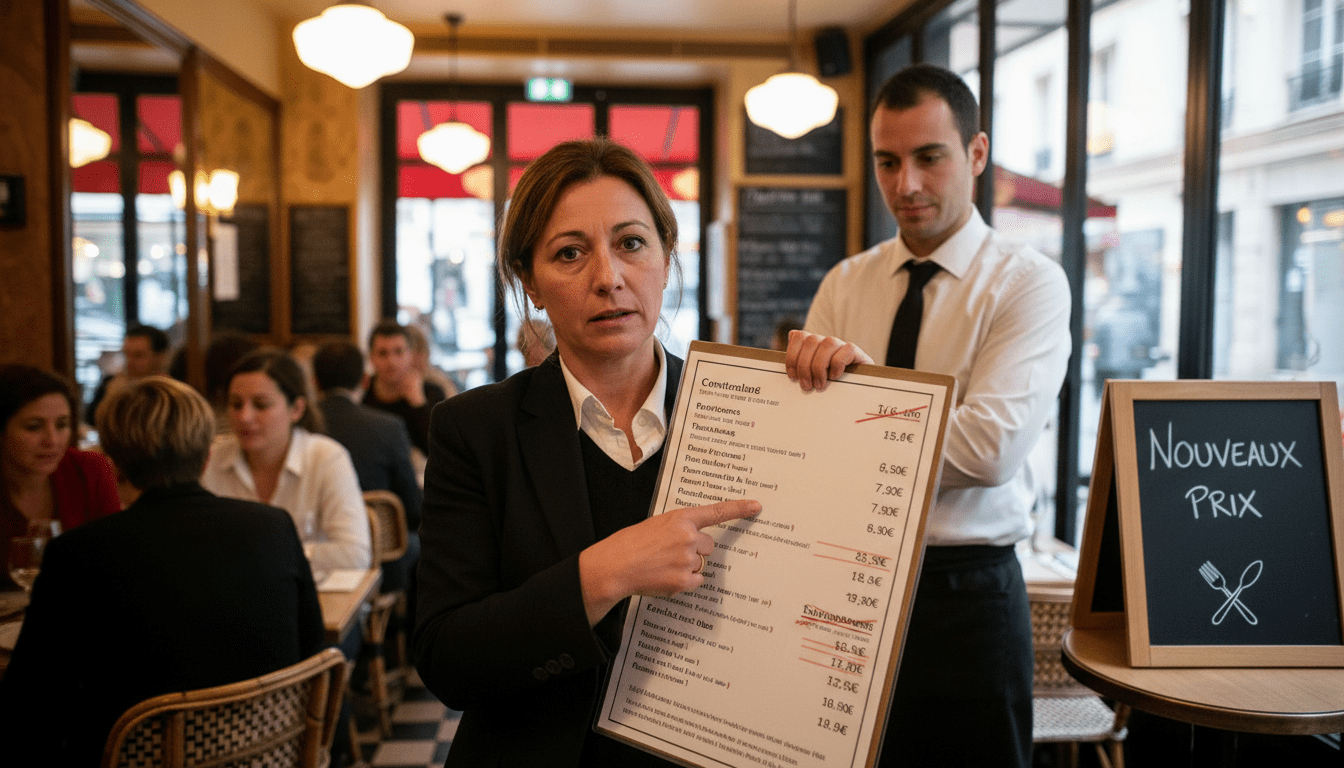
The temporary restaurant VAT cut promised relief for eateries, but early indicators show the policy has not translated into lower prices for consumers. Data from the Federal Statistical Office indicate that average prices for main courses rose by 0.5 percent in the first three months of this year, suggesting little pass-through of the tax reduction. Restaurant owners welcomed the measure when it was announced, yet many now report that structural pressures and rising operating costs have absorbed much of the intended benefit.
Statistical evidence contradicts expected price drops
The Federal Statistical Office’s latest figures show that prices in the gastronomy sector did not decline after the VAT reduction took effect. Instead, the index for the price of a main course climbed modestly in the opening quarter of the year. That movement runs counter to the core objective of the tax cut: to make dining out more affordable and stimulate consumer spending.
Economists say the 0.5 percent increase in menu prices over the first three months is a clear signal that the relief has not been passed on widely to customers. The data imply that many establishments used the fiscal space to cover higher input costs rather than reduce retail prices, dampening the policy’s direct impact on household budgets.
Operators point to rising costs and weak footfall
Restaurant operators describe a landscape of squeezed margins and volatile demand that limits their ability to lower prices. Owners cite persistent increases in food procurement costs, energy bills, and wages as primary reasons why the VAT cut has not produced noticeable consumer savings. Several restaurateurs interviewed by industry outlets report redirecting the relief toward stabilizing operations and avoiding staff layoffs.
At the same time, demand has not rebounded to the hoped-for levels. Consumer caution, changing eating habits developed during the pandemic, and uneven tourism flows have kept revenues below historical norms for many businesses. This mismatch between costs and turnover leaves little room for discretionary price reductions.
Revenues and insolvencies remain a concern for the sector
Industry performance metrics underline a fragile recovery: revenues in many parts of the gastronomy sector remain substantially below pre-pandemic figures. The combination of lower customer numbers and higher fixed expenses has resulted in a wave of business distress in segments of the market. Observers note that insolvency filings in the hospitality industry have been elevated as operators recalibrate to a tighter economic reality.
Analysts warn that a simple fiscal tweak is unlikely to reverse entrenched structural problems. According to economist Firgo, the VAT measure provides short-term relief but does not address issues such as high rental costs, labor shortages, or long-term changes in consumer behavior that continue to restrain recovery.
Policy debate shifts to broader measures beyond tax relief
With limited evidence that the restaurant VAT cut has achieved its consumer-price objectives, policymakers and sector representatives are focusing on complementary measures. Proposals under discussion include targeted subsidies for smaller operators, rent relief schemes, and incentives to boost staffing and training. Trade associations are also calling for a sustained campaign to revive dining-out demand and support local hospitality ecosystems.
Some economists argue that any further interventions should be targeted and temporary, aimed at supporting businesses through a transition rather than permanently altering tax structures. Others contend that more comprehensive reforms—addressing regulatory burdens and structural market shifts—are required to restore long-term sector viability.
Outlook: tax relief alone insufficient to spur broad recovery
Looking ahead, the restaurant VAT cut may have a modest stabilizing effect for some businesses, but it is unlikely to be a silver bullet for the industry’s broader challenges. Continued monitoring of price indices and sales figures will be essential to evaluate the measure’s full impact over the coming months. Stakeholders on all sides acknowledge that a combination of fiscal support, cost containment, and demand-stimulating initiatives will be necessary to foster a durable recovery.
The immediate takeaway for consumers is that the reduced VAT has so far not translated into lower menu prices, while for operators it has provided a narrow margin of breathing room amid ongoing economic headwinds.
