
US to Host Third Round of Israel-Lebanon Talks on May 14–15; Military Delegates to Attend
US will host the third round of Israel-Lebanon talks on May 14-15, with military representatives joining delegations for the first time, officials say in Washington.
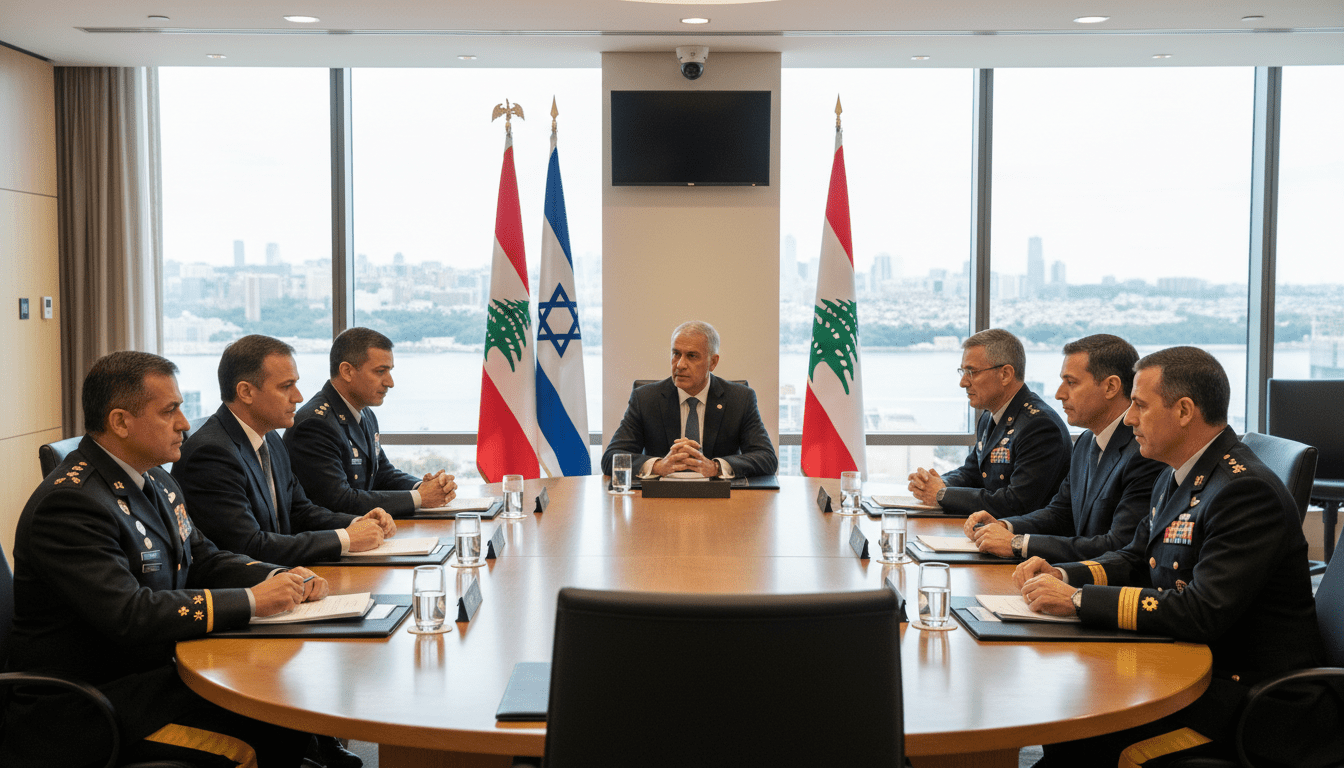
The United States will host the third round of Israel-Lebanon talks on May 14 and 15, a State Department official and an Israeli official said, marking a rare direct diplomatic engagement between the two neighbors. The talks are notable because, for the first time, delegations from both sides will include military representatives, a development officials say could signal a shift toward addressing security issues alongside political negotiations. The preparations come amid persistent tensions along the Israel-Lebanon border and ongoing international concern about escalation.
US Announces Dates and Venue
A State Department official confirmed the meetings are scheduled for May 14 and May 15 and will be held on U.S. soil, though the exact venue has not been publicly disclosed. Washington has acted as mediator for the previous rounds and is positioning itself to provide logistical and diplomatic support for the talks. Officials described the arrangement as part of a continued effort to create a neutral setting for technical and political discussions between the two sides.
Military Representatives Added to Delegations
For the first time, military representatives from Israel and Lebanon will be part of their respective delegations, the Israeli official said, reflecting a widening scope for the talks. The inclusion of military personnel introduces direct channels for discussing security incidents, rules of engagement, and deconfliction measures that civilian negotiators may not be able to address in detail. Observers say such a move can help translate diplomatic agreements into operational practices on the ground, though it also raises the complexity of negotiations.
Diplomatic Aims and Possible Agendas
Officials briefed on the planning said the meeting will likely address a mix of technical boundary questions and mechanisms to prevent inadvertent clashes along the border. While specifics of the agenda were not released, diplomats expect the talks to cover issues that have driven recent tensions, including incident prevention and confidence-building measures. The U.S. role, according to officials, is to facilitate focused discussions and help translate any technical agreements into sustained bilateral or internationally supported implementation steps.
Regional and International Context
The Israel-Lebanon talks occur against a backdrop of regional volatility and international concern about spillover from other conflicts in the Middle East. Neighboring states and international organizations have repeatedly expressed interest in stabilizing the Israel-Lebanon frontier to avoid broader escalation. Analysts note that progress in these talks could influence wider diplomatic efforts in the region, while failure or delay could increase the risk of episodic clashes that draw in external actors.
Challenges and Practical Obstacles
Negotiators face several practical hurdles, including mutual distrust, domestic political pressures in both countries, and the technical difficulty of translating diplomatic language into enforceable procedures. The presence of military delegates may help bridge technical gaps, but it also requires careful coordination to ensure that any agreements are accepted by political leaders back home. International guarantors and monitoring mechanisms could be necessary to provide verification and sustain compliance over time.
Next Steps and Potential Outcomes
If the talks yield concrete steps on incident prevention and communication protocols, they could reduce the frequency of dangerous encounters along the border and create space for broader diplomatic engagement. Conversely, if delegations fail to agree on basic operational measures, the absence of progress may harden positions and complicate future diplomacy. U.S. officials have indicated they will remain engaged in follow-up work to support implementation if any agreements are reached.
The coming May 14–15 sessions will test whether a blend of diplomatic and military-level engagement can produce tangible improvements in a sensitive and historically volatile border area.
