
Two Activists from Gaza-bound Aid Flotilla Report Death Threats and Harsh Detention, Lawyers Say
Two activists seized from a Gaza-bound aid flotilla in international waters say they were threatened with death or century-long imprisonment, their lawyers reported.
Activists Detained After Naval Raid
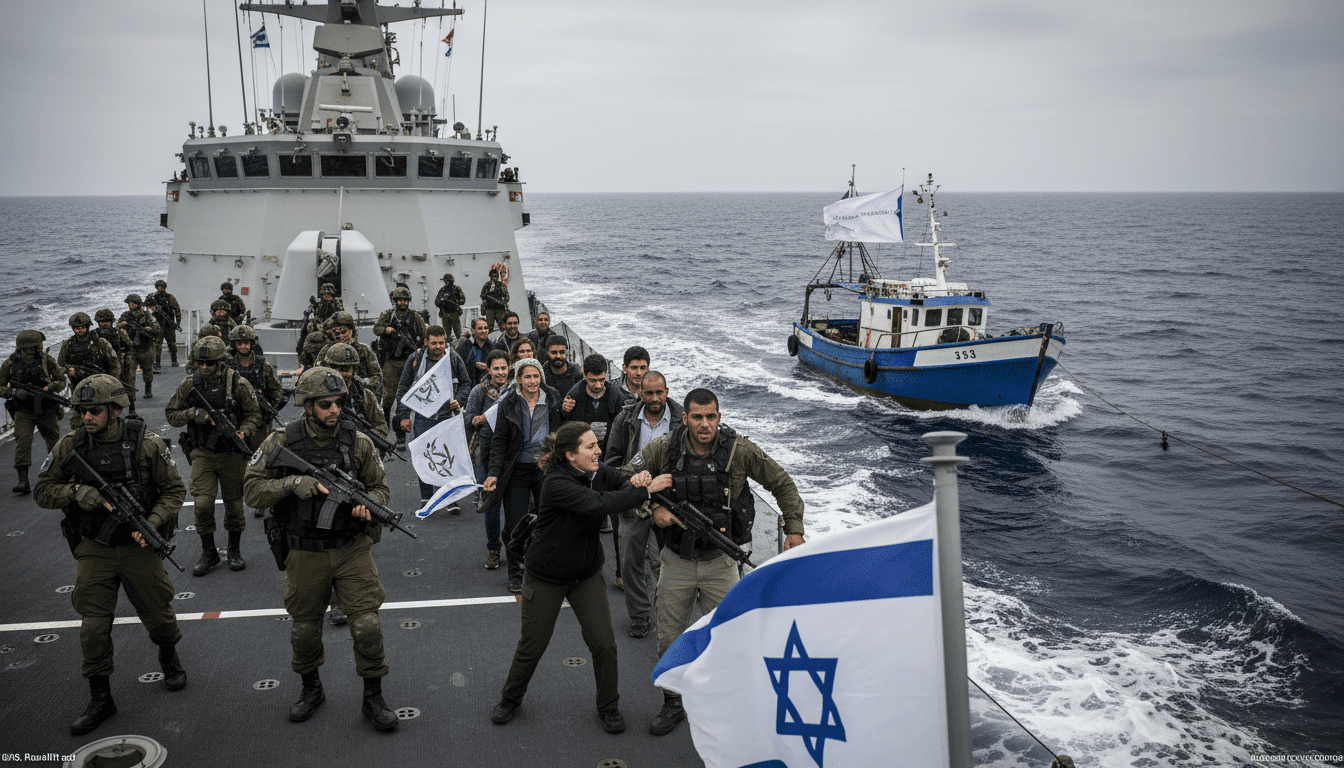
Two men aboard the Global Sumud flotilla were detained after Israeli naval forces intercepted Gaza-bound aid vessels in waters off Greece, organizers say. The detainees, identified by their lawyers as Thiago Avila, a Brazilian national, and Saif Abu Keshek, a Spanish-Swedish national of Palestinian origin, were taken to Israel and formally accused of offences including aiding an enemy force and providing services to a designated organisation.
Organisers reported that at least 21 vessels were intercepted and 175 activists detained during the operation, which took place roughly 600 nautical miles from Gaza near the island of Crete. Avila and Abu Keshek both deny the charges against them, and their legal team has described the seizure and subsequent transfer as unlawful.
Allegations of Psychological Abuse and Solitary Confinement
The legal centre representing the men says both detainees have been held in solitary confinement and subjected to practices intended to disorient and exhaust them. Adalah, the lawyers’ group, alleges the pair were kept under constant bright light to induce sleep deprivation and were blindfolded whenever removed from their cells, including during medical checks.
Attorneys also reported prolonged interrogations lasting as long as eight hours and said Avila was told he faced being “killed” or imprisoned for a century if he did not cooperate. Both detainees are reported to be on a hunger strike in protest of their seizure and detention, a move their lawyers say underscores the severity of their claims.
Legal Arguments Question Jurisdiction
In court filings, lawyers Hadeel Abu Salih and Lubna Tuma argued the case against the two men is procedurally flawed and lacks a legal basis for applying Israeli criminal law to foreign nationals seized in international waters. They contend that the interception occurred outside Israel’s territorial limits, and that the transfer of the activists to Israeli custody therefore raises serious jurisdictional and human-rights questions.
A court in the southern Israeli city of Ashkelon extended the pair’s detention until Sunday, according to their legal team, as prosecutors prepare to press the charges. The lawyers said they will continue to challenge both the legality of the seizure and the admissibility of evidence obtained under the conditions they describe.
Diplomatic Responses from Spain and Brazil
Madrid and Brasília issued a joint statement condemning the detention of the two nationals as illegal, according to information provided by the activists’ legal representatives. The statement reflects concern from both countries over the treatment and legal status of their citizens and signals potential diplomatic pressure on Israeli authorities.
Officials from the two governments have not been quoted directly in court filings, but the joint criticism adds a formal international dimension to the case and could intensify scrutiny of the legal proceedings. The involvement of two foreign governments may also influence how quickly consular access and independent medical examinations are granted.
Claims of ‘Piracy’ by Flotilla Organisers
Organisers of the Global Sumud flotilla described the naval operation as an act of “piracy,” arguing the seizure of humanitarian vessels on the high seas contravenes international norms governing aid delivery. The flotilla’s backers maintain the mission was purely humanitarian, intended to deliver relief supplies to Gaza in the face of what they call insufficient official routes.
The interception and subsequent legal confrontation follow a pattern of disputed maritime interdictions tied to the broader Gaza aid controversy, a situation that has repeatedly drawn international attention. Observers note that incidents at sea involving aid shipments often become focal points for diplomatic and legal battles over sovereignty, blockade law and humanitarian access.
Court Proceedings and the Activists’ Health
Prosecutors have charged the two men with a set of serious offences, and their detention has been prolonged as investigators continue interrogations and legal teams prepare challenges. Adalah told the court the conditions of confinement are a breach of medical ethics and could jeopardise the detainees’ physical and mental health.
Both men’s lawyers have requested independent medical assessments and raised alarm about the reported use of blindfolds during examinations and exposure to low temperatures. Their hunger strike, now days old, adds urgency to calls for transparency about their treatment and the legal process unfolding in Israel.
The next scheduled hearing will be closely watched by human-rights organisations and the governments that have raised objections, who will likely press for consular access and clear documentation of the interrogation and detention conditions.
International attention to the case may tilt proceedings toward greater scrutiny, but the legal path remains uncertain and could take weeks to resolve. The dispute sits at the intersection of maritime law, counterterrorism statutes and diplomatic protections for foreign nationals.
The fate of Avila and Abu Keshek now depends on rapid legal challenges and diplomatic interventions, as their lawyers continue to press for release or fair trial guarantees while international actors weigh the implications of a high-profile detention linked to a Gaza-bound aid flotilla.
