
Dubai tourism plunges as Gulf conflict slashes passengers and forces hotel cutbacks
Dubai tourism plunged after Gulf strikes; Q1 passenger traffic fell by 2.5 million, hotels cut staff and airlines suspended routes as insurers withdrew cover.
Dubai tourism fell sharply in the first quarter as an escalation of conflict in the region sent travelers elsewhere and emptied hotels across the city. Dubai Airports reported that passenger traffic for Q1 was at least 2.5 million fewer than the same period in 2025, while March volumes collapsed by around 66 percent. The downturn has translated into widespread temporary closures, layoffs and a scramble by authorities to restore confidence among airlines and visitors.
Dubai airports report sharp passenger decline
Dubai Airports said the drop in traffic was concentrated in March, a month that normally sees heavy transit flows through the city. The operator also noted that only 51 of 90 carriers had resumed operations, reflecting a large-scale reduction in international connectivity. Airport officials and industry sources say the contractions were driven both by airlines suspending services and by insurers tightening coverage in response to travel advisories.
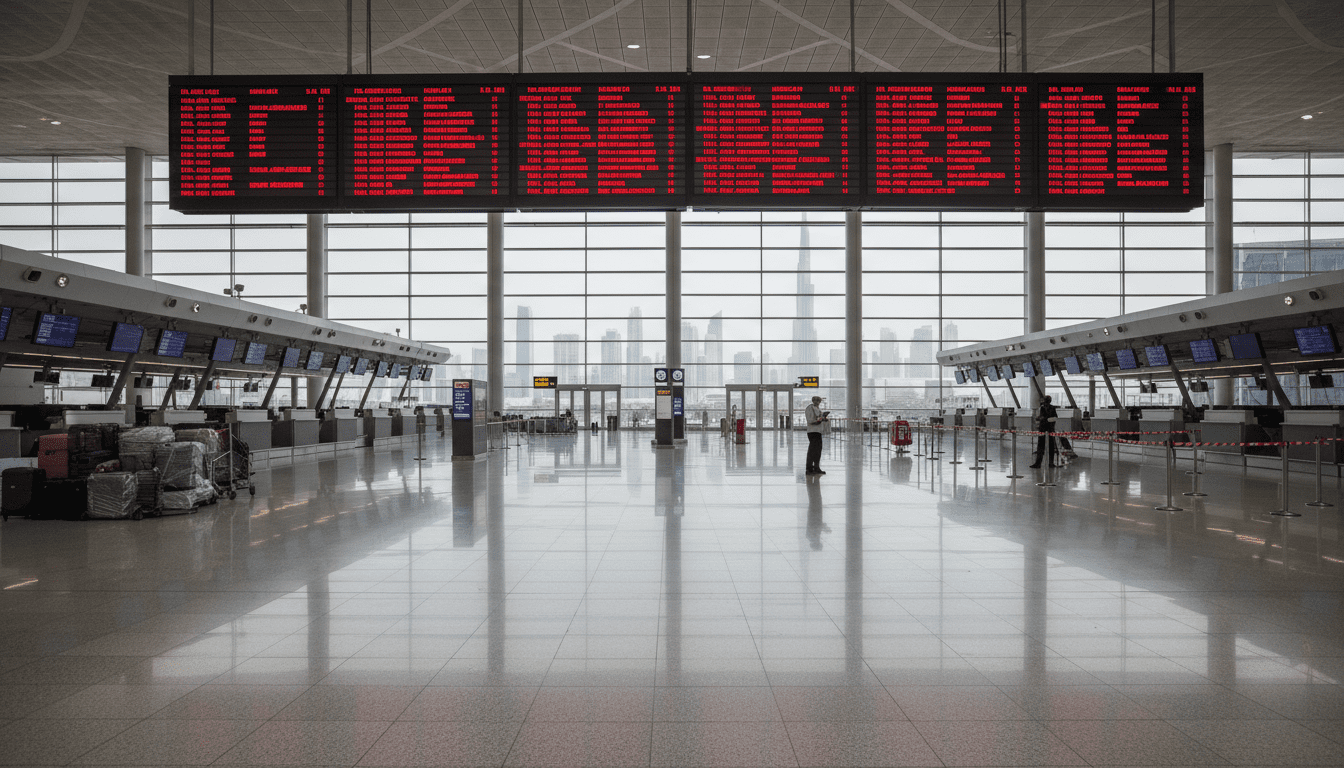
Passenger behavior at Dubai International, long a hub for transit traffic, shifted noticeably as travelers rerouted or canceled trips. Terminal 3, the Emirates hub, and Terminals 1 and 2 reported much lower footfall from regular international customers, leaving transit corridors that are usually busy with connecting passengers relatively empty. Industry analysts warn the decline could have ripple effects across ancillary services that depend on airport volumes.
Civil Aviation Authority lifts travel restrictions
In an effort to reverse the slide, the UAE Civil Aviation Authority announced the lifting of air travel restrictions that had been imposed after retaliatory strikes following attacks on Gulf states. The authority said its decision followed a comprehensive reassessment of operational and security conditions carried out with relevant agencies. The statement, posted on the authority’s social account, was designed to reassure carriers and travelers but came after several European and North American airlines had already suspended flights.
Authorities did not publish long-term forecasts when announcing the easing of measures, leaving airlines and insurers to reassess their positions independently. Several carriers have signaled that resuming normal service will hinge on obtaining affordable insurance and clearer guidance from home governments. For many operators, the cost and availability of hull and war-risk cover remain decisive factors in whether and when they restore routes.
Hotels slow and staff losses mount
Hospitality workers and business owners report rapid deterioration at city hotels during the height of the strikes and missile exchanges. One mid-range hotel worker described a period in March, during Ramadan, when the property accommodated stranded passengers and reduced services, including closing the pool and relocating guests from upper floors to lower floors as a safety precaution. After those weeks, occupancy fell sharply and revenue losses forced hotels to reduce staffing or temporarily close parts of their operations.
The employment impact has been immediate for many frontline staff, with layoffs and reduced hours spreading from hotels to supporting sectors such as housekeeping, local transportation and food services. Hotel managers cited a sudden drop in bookings and a weaker corporate travel pipeline as drivers of cost-cutting measures. Workers interviewed said they were watching closely to see whether the reopened airspace would translate into a return of tourists and long-stay business visitors.
Airlines suspend routes amid insurance squeeze
A number of international carriers suspended or scaled back services to the Gulf amid government travel advisories and an inability to secure insurance at acceptable rates. Carriers based in Europe and North America faced particular difficulty obtaining coverage, which complicated decisions about restarting flights even after the UAE lifted its restrictions. Industry insiders said the insurance market was demanding higher premiums or broader exclusions tied to geopolitical risk, making many routes commercially unviable in the near term.
The reduction in airline capacity has compounded the tourism slump by limiting flight options and pushing fares up on remaining services. For Dubai, where transit traffic has historically underpinned hotel stays and retail spending, fewer arrivals have a disproportionate effect on revenues across the hospitality ecosystem. Restoring full network connectivity will likely require coordinated steps by governments, insurers and airlines to lower perceived risk.
Businesses and residents reassess presence
Beyond tourism, business confidence in Dubai showed signs of erosion as some companies began to liquidate assets or explore relocation options. Logistics and advisory firms that sell the UAE’s safety and ease of doing business said client interest and investment inquiries dipped sharply after the attacks. Several long-term residents and business owners reported moving funds or planning gradual shifts to other regional hubs or to Europe as a precautionary measure.
Local sentiment has been marked by displays of national solidarity alongside anxiety about the future. Streets and digital billboards featured UAE flags and messages of unity, while residents said the city’s long-standing reputation as a peaceful commercial haven had been shaken. For many expatriates and firms that based long-term plans on uninterrupted regional stability, the recent weeks forced a recalibration of risk and contingency strategies.
Authorities launch reassurance and recovery push
In response, government agencies and tourism bodies have rolled out messaging aimed at restoring confidence among travelers and investors. Public signage and campaigns emphasize safety and continuity of services, while officials are engaging with airlines and insurers to encourage a phased return of routes. Economic observers note that such measures are important but that tangible recovery will depend on sustained flight resumption and fresh bookings, not only official statements.
The coming weeks will be a critical test for Dubai’s recovery efforts as authorities monitor booking patterns and airline decisions. A modest uptick in leisure activity—such as cinema screenings returning to fuller houses—has been noted, but industry leaders caution that recovery from a shock of this magnitude typically takes months rather than days. The success of the reassurance drive will hinge on external developments as well as on the pace at which carriers and insurers normalize operations.
As Dubai moves to repair the tourism slump, officials and business leaders face the twin challenges of re-establishing international connectivity and persuading travelers that the city remains a safe and predictable destination. The outcome will determine whether the emirate can quickly regain its role as a regional tourism and transit hub or if the disruption will prompt longer-term strategic shifts by airlines, investors and residents.
