
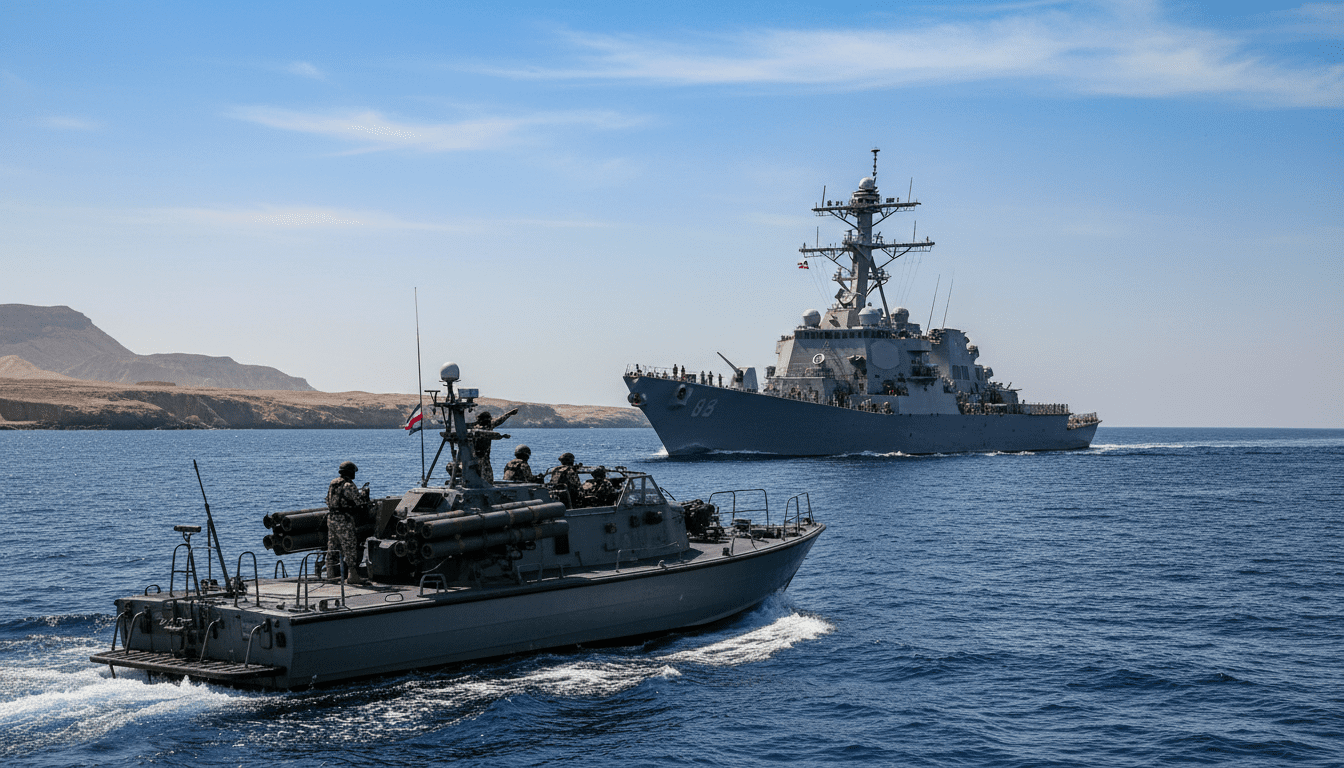
Iran Warns U.S. Against Entering Strait of Hormuz After White House Announces Naval Escorts
Iran warns it will attack any foreign warship entering the Strait of Hormuz after U.S. President Donald Trump said the U.S. navy would accompany trapped vessels in the area, escalating tensions in a vital shipping lane.
Iranian commander issues direct threat
Ali Abdollahi, who leads Iran’s unified military command, delivered the warning in a statement saying any foreign armed forces approaching the Strait of Hormuz “will be attacked.”
The comments represent one of Tehran’s most explicit cautions in recent weeks and singled out U.S. forces as the principal target of the threat.
White House says U.S. navy will escort trapped ships
President Donald Trump announced that U.S. naval vessels would accompany commercial and other ships considered at risk in the waters near the strait.
Administration officials framed the move as a defensive measure to protect freedom of navigation and ensure the safe transit of international shipping.
Why the Strait of Hormuz matters to global trade
The Strait of Hormuz is a narrow chokepoint through which a significant share of the world’s seaborne oil supply passes, making any disruption immediately consequential for energy markets.
Insurance costs, shipping routes and delivery schedules can be altered quickly when military tensions rise, affecting importers and exporters across multiple regions.
Military posture raises risk of miscalculation
Iran’s unified command language signals a readiness to use force if foreign warships attempt to transit the strait without Tehran’s consent.
Analysts warn that close maneuvering between naval vessels, patrols and escorts increases the likelihood of incidents that could spiral beyond the original intent of either side.
Impact on commercial shipping and regional partners
Several shipping companies have reported disrupted operations and delays in nearby waters, with some vessels avoiding the area altogether to reduce exposure to potential hostilities.
Regional governments and international maritime organizations have previously pressed for de-escalation and called for adherence to international maritime law to keep commercial traffic moving.
Diplomatic options and international responses
Diplomatic channels remain the primary avenue for reducing the immediate risk, with third-party mediators and maritime security arrangements offering possible frameworks for confidence-building measures.
Naval escorts by extra-regional powers often aim to deter attacks, but they can also be viewed by regional actors as provocative, complicating efforts to secure a negotiated cooling of tensions.
Scenarios that could determine next steps
Short-term outcomes include carefully managed escort operations, sustained diplomatic engagement and tightened rules of engagement to prevent accidental clashes.
Worse-case scenarios would involve direct confrontations at sea, which could prompt broader military responses and trigger significant disruptions to global energy and shipping markets.
The situation in and around the Strait of Hormuz remains fluid, with the potential for rapid escalation or de-escalation depending on the decisions of regional and extra-regional actors in the coming days.
