
Government Takes Administrative Control of Sri Lanka Cricket Amid Reform Drive
Govt places Sri Lanka Cricket under the Ministry of Youth Affairs and Sports in a temporary takeover to implement structural reforms amid corruption allegations.
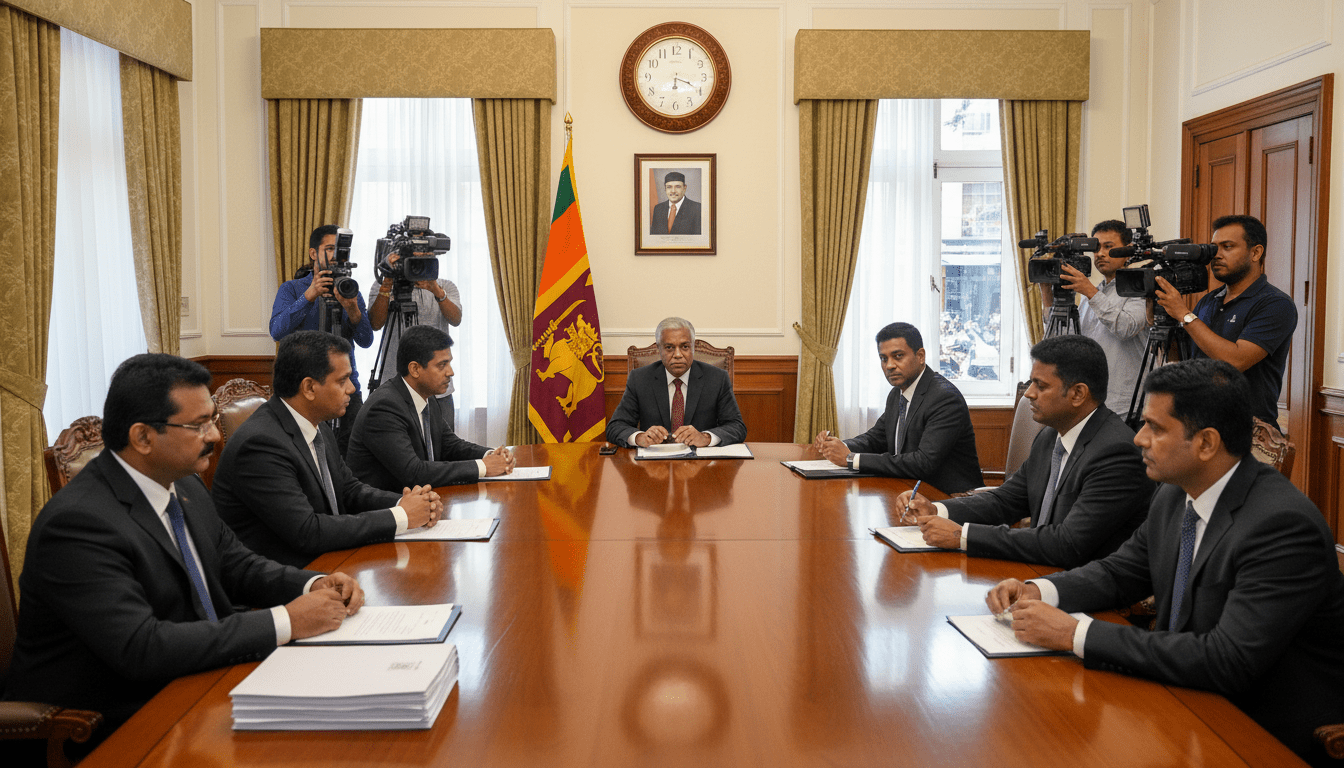
Sri Lanka’s government on Wednesday, April 29, 2026, announced it had assumed administrative control of Sri Lanka Cricket, a move the ministry described as a temporary measure to enable structural reforms. The declaration says all administrative functions of Sri Lanka Cricket (SLC) will be brought under the Ministry of Youth Affairs and Sports effective immediately. The government framed the intervention as necessary to address long-running governance issues and restore public confidence in the national board.
Government Assumes Administrative Control
The Ministry of Youth Affairs and Sports issued a statement saying the takeover is intended to be temporary and focused on reforms to SLC’s governance and administration. Officials said a committee will be appointed shortly to examine current operations and implement structural changes across the board. The statement emphasized that the ministry will oversee day-to-day administrative functions until the reform agenda is put into effect.
The move follows mounting public scrutiny of SLC’s management after high-profile controversies in recent years. By placing administrative duties under a ministerial remit, the government aims to centralize oversight and fast-track measures it deems necessary to improve transparency and accountability. The ministry did not provide an immediate timetable for the committee’s work or a date for returning full autonomy to SLC.
Interim Committee to Address Governance and Finance
According to the ministry, the soon-to-be-appointed committee will focus on governance reforms, financial controls and the appointment processes for key positions within Sri Lanka Cricket. The committee is expected to review contracts, sponsorship agreements and internal audit procedures to identify weak points that have allowed alleged mismanagement. Officials indicated that recommendations could include changes to board composition and clearer separation between administrative and commercial functions.
The ministry has signaled that stakeholder consultations will form part of the committee’s remit, though it did not name independent experts or international advisers. The government’s note that the takeover is temporary leaves open how extensive the reforms will be and whether they will require constitutional, statutory or regulatory changes to existing sports governance laws.
Allegations, ICC Suspension and Financial Context
Sri Lanka Cricket has long been the island nation’s wealthiest sporting body, but it has been dogged by allegations of corruption and mismanagement that critics say undermined its credibility. The International Cricket Council previously suspended Sri Lanka for two months during 2023–24, citing political interference in the running of the national board, a sanction that exposed tensions between global governance rules and domestic political oversight.
Financial scrutiny intensified after the recent global tournaments and domestic revenue shortfalls, prompting questions over the management of sponsorship income, match revenues and development funds. With the sport a major national pastime and a source of international revenue, effective financial controls are widely seen as central to any meaningful reform.
Resignation of Leadership and World Cup Aftermath
Four-time SLC president Shammi Silva resigned on Tuesday, April 28, 2026, alongside his entire committee after pressure increased following the government’s intervention. The mass resignation was framed by the outgoing leadership as a response to the ministry’s directive, and it leaves a leadership vacuum that the interim committee will need to fill in the short term. Silva’s departure marks a significant moment for the board; his tenure had been associated with both modernization efforts and persistent governance criticisms.
Sri Lanka’s early exit from the T20 World Cup, which it co-hosted with India in February–March 2026, added to the pressure on the national board and intensified scrutiny of preparations, selection and administration. The tournament outcome, combined with existing governance concerns, contributed to the narrative used by critics to justify a forceful reform agenda.
Stakeholder Reactions and International Implications
The government’s takeover is likely to prompt mixed reactions from players, fans, sponsors and international bodies, each with distinct priorities and sensitivities. Players and coaching staff have expressed a desire for administrative stability to protect fixtures and contracts, while sponsors will watch closely for moves that could affect commercial rights and visibility. Fans have voiced frustration at recent results and governance controversies, increasing pressure for swift, credible reform.
Internationally, the ICC’s previous suspension of Sri Lanka means the council will monitor developments closely to ensure political interventions do not contravene international governance norms. Any perception that the takeover constitutes undue political interference could raise compliance questions and complicate relations with global cricket authorities during the reform period.
Next Steps and Risks to Fixtures and Funding
In the coming weeks, the ministry will name the committee and outline the scope of its mandate, a process that will be scrutinized for independence and expertise. Key near-term priorities will include stabilizing board operations, safeguarding upcoming domestic and international fixtures, and reassuring sponsors and bilateral partners. Clear communication on timelines and measures will be critical to maintaining confidence among stakeholders.
Risks remain: protracted uncertainty could affect commercial revenue, player welfare and the scheduling of tours, while any misstep in the reform process might reignite criticism about political overreach. The government’s challenge will be to implement reforms that satisfy both domestic calls for accountability and international governance standards without disrupting the sport’s competitive calendar.
The ministry has reiterated that the temporary oversight will remain in place only until structural reforms are implemented, and it has called for cooperation from all cricket stakeholders to expedite corrective measures.
