
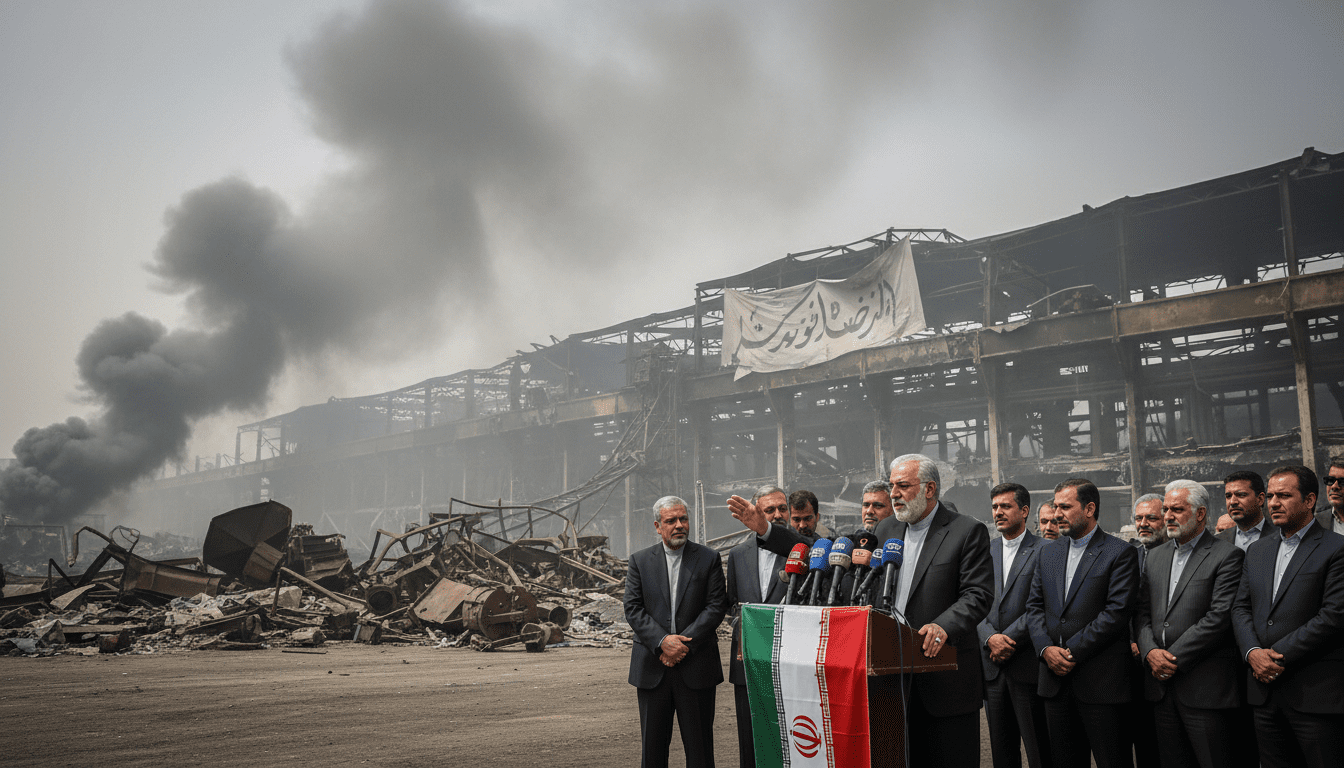
Iran bans steel exports after air strikes severely damage production
Iran bans steel exports after air strikes damaged production; customs order effective April 26, 2026 suspends exports of slab, sheet and strip products.
Iran bans steel exports in response to wartime damage, customs says, effective 26 April 2026 and covering slabs, sheets and strip products.
Customs Directive Halts Overseas Shipments
Fars news agency reported that Iran’s customs authorities issued a directive prohibiting the export of key steel products, with the restriction taking effect on April 26, 2026. The order explicitly covers slab, sheet and strip items and directs exporters to suspend international shipments until further notice.
The decision follows intensified pressure on the country’s steel logistics and is framed by authorities as a measure to preserve domestic supply while damage assessment and recovery proceed. Officials have not published a timetable for lifting the ban.
Scope of Products and Trade Impact
The customs notice names primary flat and semi-finished steel products commonly used in construction and manufacturing as the immediate targets of the export ban. These items are among the mainstays of Iran’s steel trade with regional buyers and global suppliers of intermediate goods.
Exporters, shipping agents and ports handling steel consignments face immediate compliance obligations, and firms will need to revise contracts and shipment schedules. The halt is likely to create short-term backlogs at production sites and storage yards.
Reported Damage from Air Strikes
Israeli statements issued before a ceasefire on April 8, 2026 claimed that air strikes had destroyed roughly 70 percent of Iran’s steel production capacity, while also hitting petrochemical facilities and transport infrastructure. Those statements were widely reported and appear to have informed Tehran’s emergency economic steps.
Independent verification of the full extent of damage remains limited in the immediate aftermath of the strikes, but public and private assessments indicate significant harm to furnaces, rolling mills and supply routes. Repairing heavy industrial equipment and rebuilding logistics corridors is expected to be time-consuming and costly.
Economic Risks to Industry and Exports
Analysts warn that a prolonged ban on steel exports could have cascading effects on Iran’s industrial economy, reducing foreign exchange earnings and disrupting suppliers that rely on steel inputs. Steel is a strategically important sector for both domestic construction and export revenue, and constraints on sales abroad tighten fiscal space for reconstruction.
The loss of export markets may force producers to prioritize domestic contracts, but local demand may not absorb the full output, increasing the risk of depressed prices and idled capacity. Companies with dollar-denominated liabilities could face financial strain if revenue shortfalls persist.
Domestic Market and Supply Chain Consequences
The export embargo may temporarily relieve domestic shortages by redirecting output to local markets, but it also raises the prospect of supply-chain bottlenecks as damaged transport links and petrochemical inputs constrain production. Construction, automotive and machinery sectors dependent on specific steel grades could face delays and cost increases.
Smaller firms and regional suppliers are particularly vulnerable if payment flows slow or if procurement contracts are canceled. Logistics knock-on effects are likely at ports and rail terminals previously used to move large steel consignments abroad.
Policy Options and Reconstruction Challenges
Rebuilding blast furnaces and rolling mills will require substantial investment, imported parts and technical expertise, all of which could be complicated by damage to transport infrastructure. Policymakers face a choice between channeling state resources into rapid industrial repair or seeking phased approaches that prioritize critical facilities.
Authorities could also consider targeted exemptions for essential contracts or temporary import licenses to secure replacement materials. International assistance and private-sector capital will be crucial to restore capacity, but political and security considerations may limit external involvement.
The export ban marks a significant short-term intervention designed to safeguard domestic supply while Tehran assesses the industrial damage and charts a recovery path.
