
Germany urges EU to remove fertilizer tariffs as prices climb after Iran war
Germany urges the EU to lift fertilizer tariffs after prices surged due to the Iran war. Minister Alois Rainer seeks tariff relief to ease farmers’ costs.
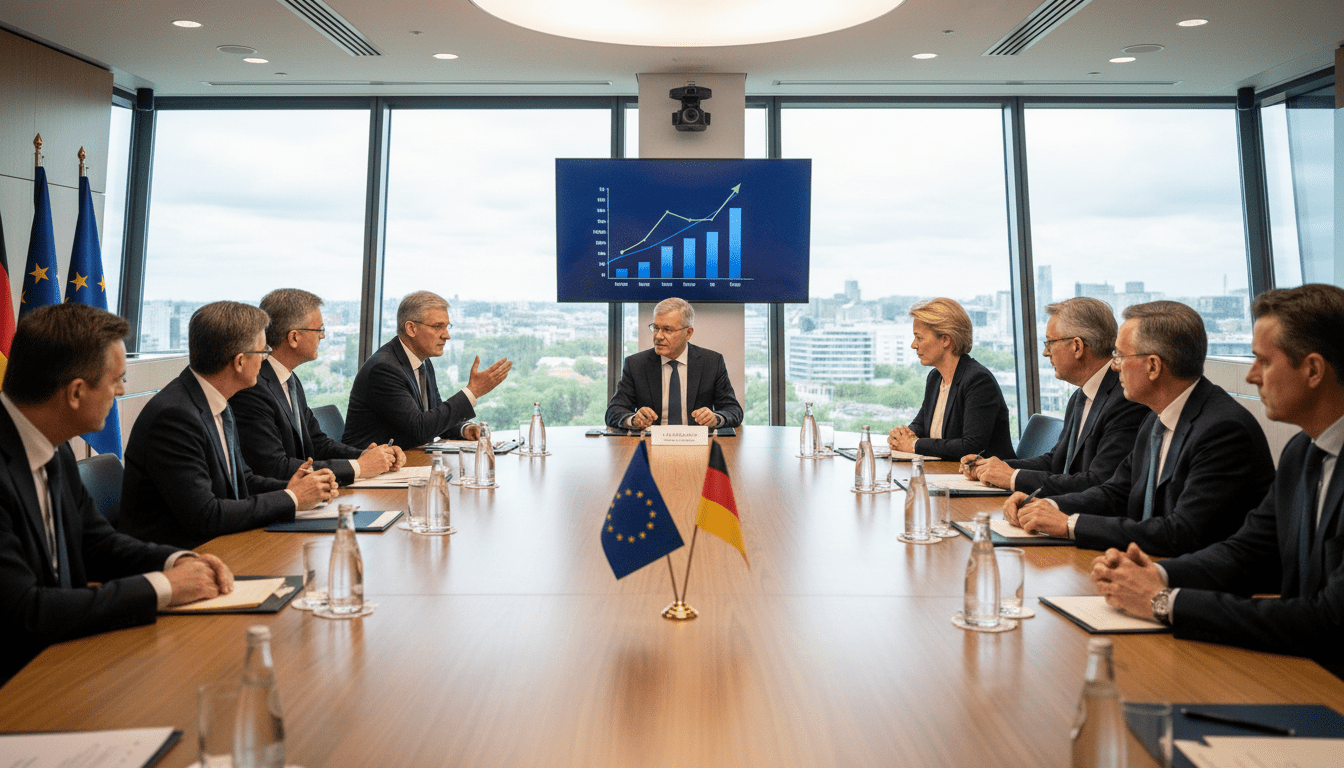
In response to a sharp rise in fertilizer prices linked to the conflict in Iran, Germany is pressing the European Union to abolish import tariffs on fertilizers to reduce input costs for farmers and secure supplies. Agriculture Minister Alois Rainer raised the demand during discussions with EU counterparts in Luxembourg, arguing that tariff relief could help ease immediate financial pressure on European agriculture. The move aligns with earlier Commission proposals to remove duties on certain nitrogen-based products, and Germany’s intervention aims to accelerate that agenda. The call comes as policymakers weigh sanctions policy, trade rules and food security in parallel.
Germany presses for EU-level tariff abolition
Germany’s agriculture ministry says it is advocating an EU-wide suspension of import duties on fertilizers to lower prices for domestic farmers. Alois Rainer framed the measure as a pragmatic step to relieve cost burdens that have intensified since the outbreak of hostilities in Iran. Officials contend that removing tariffs on key fertilizer categories could quickly reduce purchase prices at the farm gate, though the scale of savings will depend on logistics and market dynamics. The proposal requires agreement among EU institutions and member states, where divisions over trade and sanctions remain likely.
Commission proposal excluded Russia and Belarus
Brussels had already tabled a plan earlier this year to eliminate tariffs on specific fertilizers, but it carved out imports from Russia and Belarus because of existing sanctions and geopolitical concerns. The earlier draft targeted nitrogen-based fertilizers — including urea and their chemical feedstocks — for tariff relief while maintaining prohibitions on goods originating from the two sanctioned states. That distinction is central to the current debate, because Russia has been a major fertilizer supplier to Europe and decisions about exclusions will affect both market access and political acceptability. Negotiators will need to balance farmers’ immediate needs against broader foreign-policy and sanction objectives.
Price shock after Iran conflict hit urea markets
Independent economic monitors reported a steep spike in urea prices in the month following the conflict’s outbreak, an increase attributed to disrupted supply routes and higher shipping and energy costs. The OECD noted a rise in urea quotations exceeding 40 percent in the first month of the crisis, reflecting market sensitivity to rapid changes in regional production and export flows. Fertilizer production, particularly ammonia-based products, depends heavily on natural gas and complex supply chains, which amplifies the impact of regional shocks. Traders and analysts warn that volatility could persist while geopolitical tensions remain unsettled.
Gulf producers and North Africa as alternative suppliers
Policymakers point to the Gulf states and several North African countries as potential sources to help fill gaps left by disruptions, noting their significant production capacity. Producers in the Gulf region account for roughly a quarter of global ammonia and sulfur output and about a third of world urea production, making them key players in any emergency sourcing response. Algeria, Morocco and Egypt already serve as important fertilizer suppliers to Europe and benefit from existing trade arrangements that, in many cases, eliminate import duties. Expanding imports from these regions is being discussed as part of a strategy to diversify supply and reduce reliance on any single external partner.
Practical limits on tariff cuts and supply relief
Experts caution that tariff removal is not an immediate panacea: transportation bottlenecks, port capacity, contract terms and price hedges will influence how much relief reaches farmers. Even with duties lifted, freight rates, insurance costs and storage constraints could limit downward pressure on retail prices, especially when demand spikes. Moreover, excluding Russian and Belarusian imports from tariff relief complicates the market response because those countries historically supplied substantial volumes to Europe. Policymakers must therefore consider complementary measures — such as logistics support, temporary state aid or strategic stock releases — to make tariff changes effective.
Political pathway and timing in Brussels
Any change at EU level requires negotiation between the European Commission, member states and the European Parliament, and timelines depend on political consensus and legal processes. Germany’s intervention is aimed at accelerating discussions already under way in Brussels, but reaching a qualified majority or negotiating exemptions could take weeks or months. Member states will weigh domestic agricultural interests, trade partners’ concerns and the need to uphold sanctions regimes when forming positions. The outcome may include a narrow, time-limited tariff suspension targeted at specific products and origins, or a broader package linked to supply diversification plans.
Germany’s push to lift fertilizer tariffs comes at a moment of heightened market strain and political sensitivity, with farm groups urging swift action and trade experts urging careful calibration. The debate in Brussels will test how quickly trade policy can be adjusted in response to geopolitical shocks while preserving the EU’s broader commitments on sanctions and strategic autonomy. In the near term, farmers and supply-chain actors will watch negotiations closely for any concrete measures that can reduce costs or stabilise deliveries.
