
AI power consumption smaller per query, but training and cooling drive large energy needs
New analysis shows AI power consumption per query is low, but model training and cooling raise overall demand; experts urge efficiency, planning and measured use. (160 characters)
Artificial intelligence power consumption per simple chat query is far lower than many assume, yet the technology’s cumulative energy footprint grows quickly when models are trained or asked to perform complex tasks. Recent measurements from industry and independent researchers put single-query figures in the sub-watt-hour range, a detail that reframes public debate about AI energy use. Decision-makers are now weighing per-use efficiency against the substantial electricity demands of training and cooling large systems.
Measured energy for a single AI query
A basic interaction with an AI chatbot consumes only a fraction of a watt-hour, according to figures shared by major providers and corroborated by independent analysts. That modest per-query number helps explain why casual everyday use of chat tools has a relatively small direct impact on national power grids. Still, small units add up quickly when millions of queries are processed each day.
How comparisons change the perception
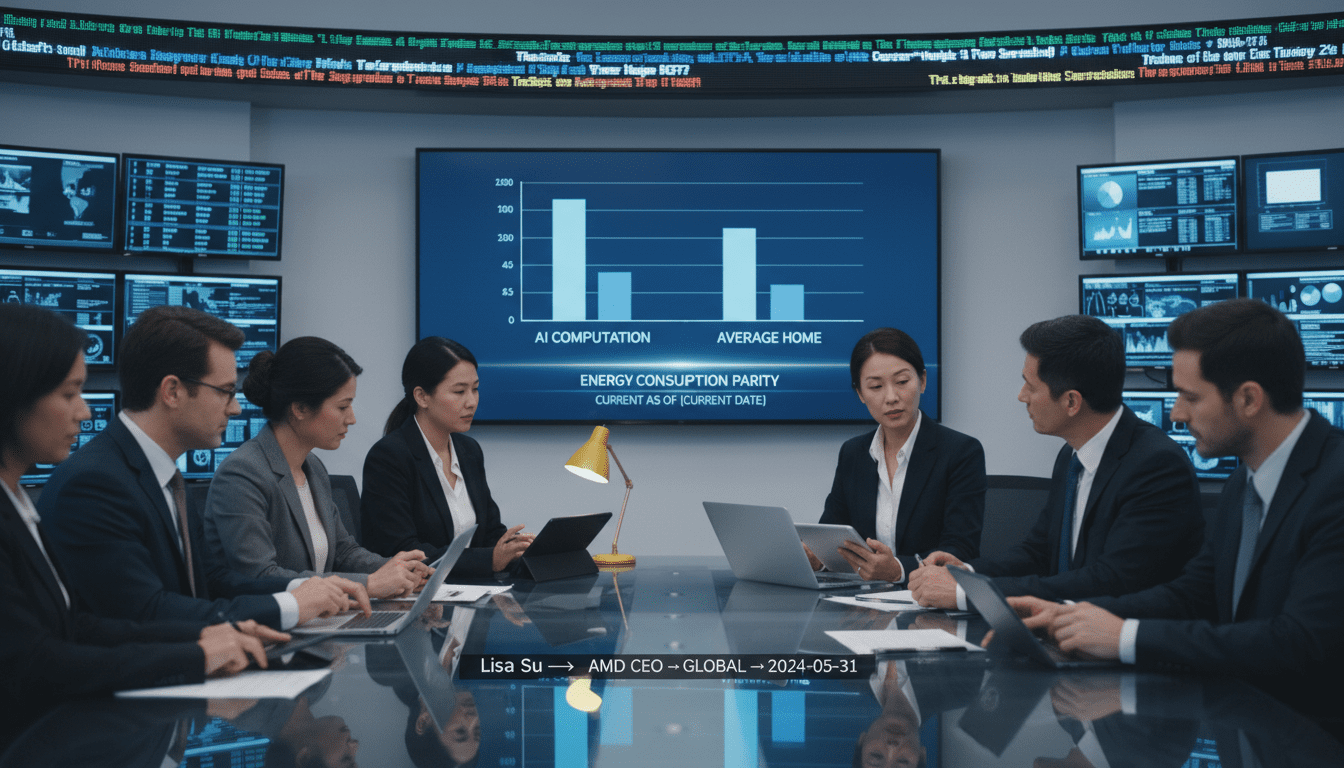
Putting AI power consumption in household terms clarifies scale: a modern television in standby mode can use the equivalent energy of dozens of simple AI queries over a day. Likewise, a typical laptop hour of use aligns with the electricity consumed by a more complex, research-style AI task. These comparisons show that context — what task the AI replaces or augments — matters more than headline wattage alone.
Complex tasks and model training multiply energy needs
When AI systems perform deep research tasks that scan many websites and synthesize long reports, energy use can rise by orders of magnitude compared with a single query. Independent estimates put the energy for such intensive operations in the range of tens of watt-hours per report, while training a new large model can require many gigawatt-hours in total. Training is performed infrequently but at very large scale, and those spikes dominate the lifecycle energy profile of state-of-the-art AI systems.
Where electricity is actually consumed
Experts note that the bulk of AI-related energy is spent during operation rather than manufacturing of chips, shifting the policy focus to data center power sourcing and efficiency. In practical terms, household choices about heating, transport and hot-water use typically dwarf individual AI interactions in energy terms. That comparison suggests that personal behavior changes in other sectors can offset the additional load from increased AI use.
Cooling, water use and regional effects
Data centers require substantial cooling, and that drives water flow and local infrastructure decisions. Estimates of water used per query vary widely between providers and academic studies, and while most of the water is not consumed but warmed and returned, the volumes involved influence where and how centers are sited. In some countries, warmed return flows are integrated into district heating systems; in others, local water availability and environmental rules constrain operations.
Infrastructure responses in concentrated regions
The concentration of training and inference workloads in specific regions has prompted new power-generation projects near major data center hubs. In places where large clusters are being built, utilities and companies are planning additional generation capacity and considering fuel choices that range from gas turbines to long-term options such as nuclear. Those localized demands help explain why energy policy and zoning discussions now frequently mention the needs of AI infrastructure.
The debate over AI power consumption should therefore separate per-use efficiency from the larger, intermittent demands of training and cooling, and policymakers should plan for both. Evaluations that weigh the energy cost of automated tasks against the time, travel and material savings they replace will produce a more balanced assessment of net impact. Ultimately, better transparency from operators about training and cooling footprints, stronger efficiency standards for data centers, and coordinated regional energy planning can reduce environmental trade-offs while allowing practical AI adoption.
