
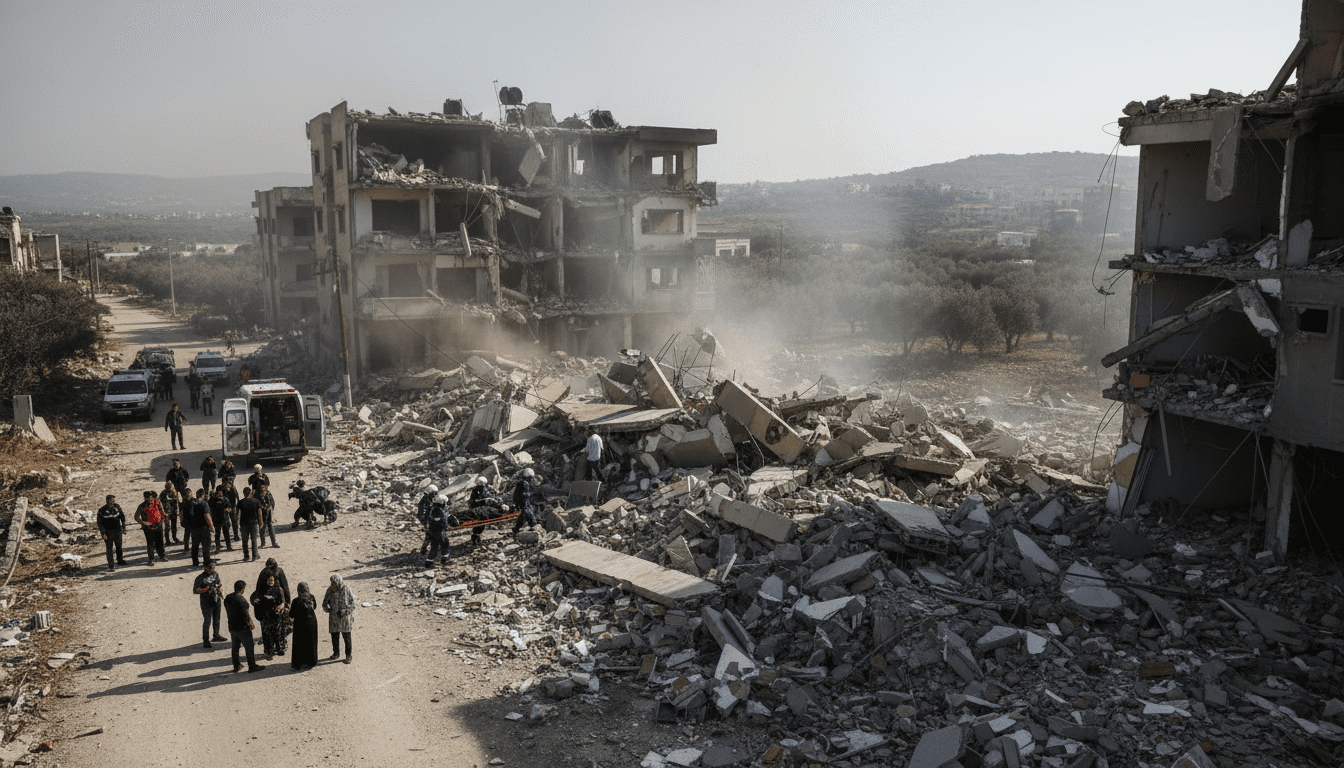
Israeli strikes in southern Lebanon kill 14 despite recent ceasefire extension
Israeli strikes in southern Lebanon killed 14 people and wounded 37, Lebanon’s health ministry said, despite a recently extended ceasefire in Israel’s war on Lebanon.
Attack and casualty report
Lebanon’s health ministry issued a statement saying Israeli strikes in southern Lebanon on Sunday killed 14 civilians, including two women and two children. The same statement reported 37 people were wounded and receiving treatment in local hospitals.
Medical teams in the area described chaotic scenes as ambulances worked to evacuate the injured while hospitals struggled with limited space and supplies. Authorities said identification and verification of victims were ongoing amid the rapidly changing situation.
Locations hit and local impact
The strikes struck multiple sites across south Lebanon, targeting populated areas and infrastructure, according to the ministry’s account. Local residents reported damage to homes and public facilities, compounding a humanitarian strain in communities close to the border.
Power outages and disrupted communications were reported in several towns, hindering immediate rescue efforts and delaying accurate casualty tallies. Aid organizations and municipal officials warned of further displacement as families sought safer areas.
Ceasefire dynamics and recent extension
The attacks occurred despite a ceasefire that had been recently extended in the course of Israel’s wider military campaign in Lebanon. The extension had raised expectations of reduced hostilities, making Sunday’s violence a sharp reversal for civilians and officials who had called for calm.
Both sides have periodically accused the other of violations since hostilities began, and officials in Beirut characterized the strikes as a serious breach of the extended truce. International observers and diplomats have previously pressed for enforcement mechanisms to hold ceasefire commitments in place.
Official statements and government response
Lebanese authorities issued a brief but direct account of the casualties and appealed for emergency support to cope with the influx of wounded. The health ministry’s release named the demographic breakdown of the dead and emphasized the toll on non-combatants.
Government ministries and municipal leaders called for a full investigation into the circumstances of the strikes and urged international actors to intervene to prevent further civilian harm. Local councils coordinated temporary shelters and medical referrals for those forced to flee damaged residences.
Humanitarian implications and aid needs
Humanitarian groups warned the attack would exacerbate an already fragile aid situation in southern Lebanon, where prolonged cycles of violence have strained services. The wounded require urgent medical attention, and displaced families face shortages of shelter, food, and clean water.
Relief agencies emphasized that restoring access for medical convoys and securing safe corridors for civilians should be a priority to prevent a deeper humanitarian crisis. Health officials requested additional supplies and personnel to manage the surge in casualties and maintain essential services.
Regional tensions and international reactions
Sunday’s strikes are likely to reverberate across the broader regional landscape, where any escalation risks drawing wider diplomatic and security responses. Observers noted that breaches of a ceasefire can complicate negotiation efforts and erode trust between parties engaged in conflict management.
International governments and organizations frequently call for restraint and renewed dialogue following such incidents, urging all parties to prioritize civilian protection. Analysts said that sustained diplomatic engagement will be critical to preventing further flare-ups along the border.
The situation remains fluid and authorities in Beirut continue to monitor developments as emergency teams respond to the wounded and affected communities. Local officials have said investigations into the strikes and the sequence of events will follow, while humanitarian agencies work to address immediate needs.
