
Germany approves fuel tax cut and optional €1,000 relief premium for employees
Bundestag approves two-month fuel tax cut; Bundesrat backs the tank discount and will vote on a voluntary tax-free €1,000 relief premium for employees on May 8.
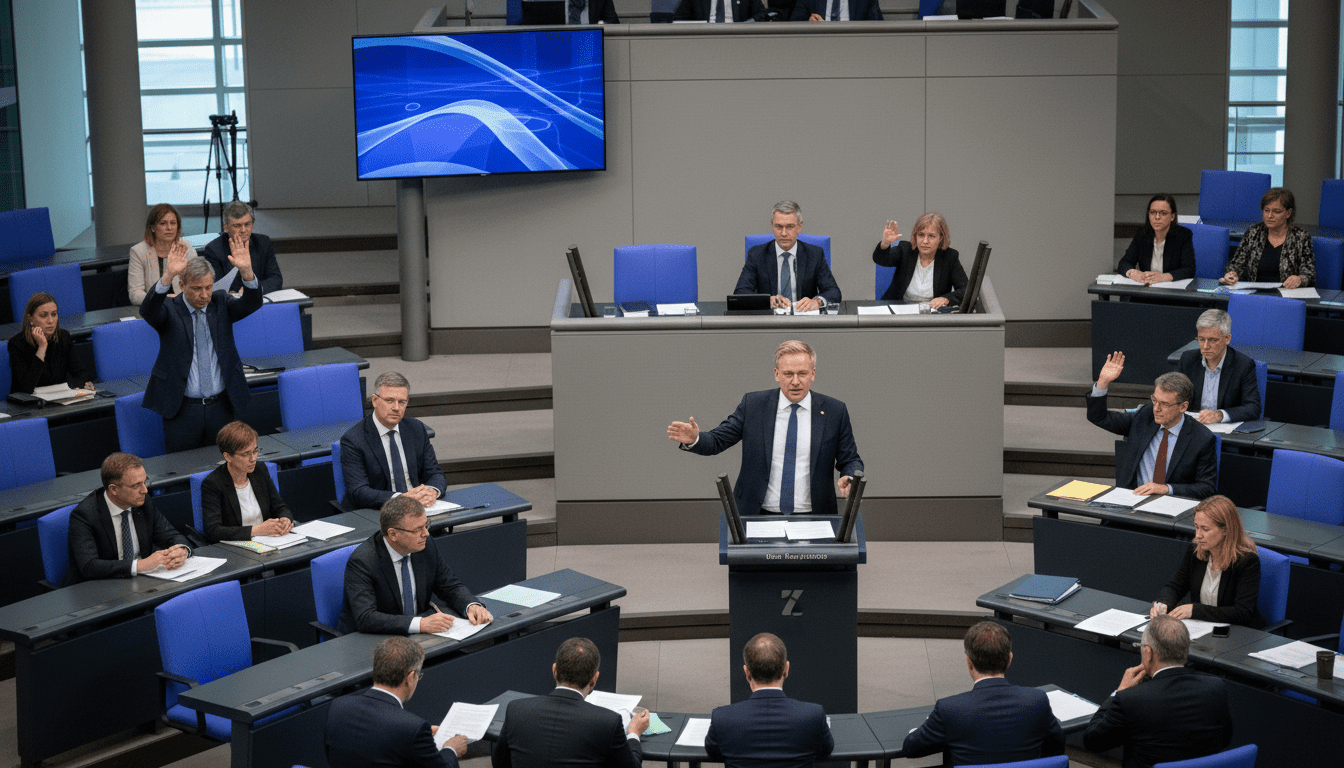
The Bundestag has approved a two-month reduction in the mineral oil tax and a proposal allowing employers to pay a voluntary, tax-free relief premium of up to €1,000 to staff. The fuel tax cut — commonly called the tank discount — has already been endorsed by the Bundesrat and is scheduled to take effect on May 1, while the Bundesrat will decide on the relief premium on May 8. The measures are intended to ease pressure from higher prices but leave key questions about cost, scope and pass-through unresolved.
Parliamentary timeline and key dates
The Bundestag passed the legislation that lowers taxes on petrol and diesel and creates a temporary employer-paid relief premium framework. The Bundesrat approved the fuel tax reduction, clearing the way for the tank discount to start on May 1. A separate Bundesrat session on May 8 will determine whether the employer relief premium becomes law.
Fuel tax cut specifics
Under the approved plan, taxes on diesel and petrol will be reduced by roughly €0.17 per litre for two months. Officials say the precise impact on pump prices depends on how quickly and fully fuel retailers and oil companies pass the cut to motorists. A similar tax relief in 2022 resulted in lower pump prices but not a complete pass-through of the tax reduction, leaving consumer benefit muted.
Relief premium design and eligibility
The relief premium allows employers to grant employees up to €1,000 tax- and contribution-free, with payments permitted until June 30, 2027. Employers may pay the amount as a single sum or in multiple smaller instalments and retain full discretion to decide whether to distribute the premium. The premium will be treated as a deductible business expense in corporate accounts while remaining tax-free for recipients.
Employer and watchdog criticism
Employer associations and the Taxpayers’ Association have criticized the relief premium as creating expectations that many businesses may not be able to meet. Critics warn the voluntary nature risks unequal distribution between firms and sectors, with some employees receiving the benefit and others getting nothing. In response to such concerns, the governing coalition extended the deadline for making payments to provide companies more flexibility.
Fiscal cost and planned offsets
The government’s draft estimates the tax-free relief premium could cost the state up to around €2.8 billion, reflecting the loss of revenue when employers treat payments as deductible expenses. To help finance the measure, lawmakers propose raising tobacco taxes, though detailed arrangements and exact revenue forecasts have not been finalized. Budget analysts say the final fiscal impact will depend heavily on how many employers choose to pay the premium and on the ultimate design of the tobacco tax increase.
Consumer and market implications
Whether drivers will see the full €0.17-per-litre reduction at the pump remains uncertain, with market observers pointing to the 2022 precedent where fuel prices fell by less than the tax cut. Finance Minister Lars Klingbeil (SPD) has signalled that authorities will monitor pricing closely to encourage pass-through by fuel companies. For employees, the relief premium could deliver a short-term boost to incomes where employers participate, but its voluntary character means coverage and fairness across the workforce are not guaranteed.
What to watch next
The immediate next steps are clear: the tank discount takes effect on May 1, and the Bundesrat’s decision on the relief premium is set for May 8. Supervisory agencies and consumer advocates are likely to scrutinize retail fuel prices in the days after the tax cut begins to assess whether savings reach motorists. Lawmakers and budget officials will also follow employer behavior to gauge the premium’s take-up and the real fiscal cost for 2026 and beyond.
As the measures move from approval to implementation, the biggest open questions remain who benefits and by how much. The fuel tax reduction offers an immediate, if uncertain, reduction in petrol and diesel costs for motorists, while the relief premium depends on employer choice and could produce uneven effects across sectors and income groups. The coming weeks will show whether the public sees tangible relief at the pump and in pay packets, or whether policy goals will fall short in the face of market and budgetary realities.
