
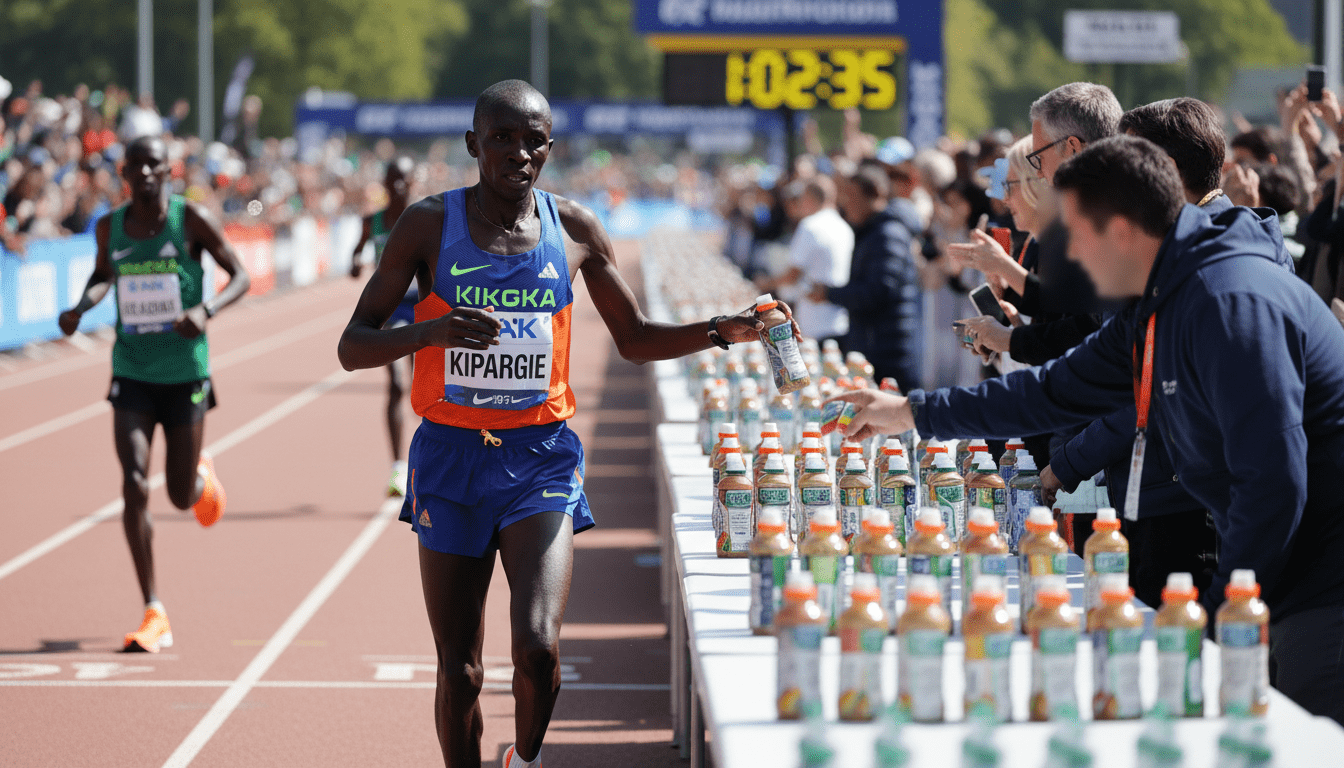
Marathon Nutrition: How Runners Should Fuel the 42.195 km
Marathon nutrition: practical guidance on timing, race-day carbohydrate amounts, hydration, mid-race fueling and recovery to power runners through 42.195 km.
Elite and recreational runners alike are being reminded that careful marathon nutrition is as strategic as training in the weeks before a race. Coaches and sports dietitians say the right balance of carbohydrates, fluids and electrolytes, timed correctly, determines who finishes strong and who fades before the final kilometers. This article breaks down practical, evidence-based approaches to fueling the 42.195 km distance for race day and the days that lead up to it.
Carbohydrates: timing and quantity
Carbohydrates are the primary fuel for sustained high-intensity running and should form the backbone of marathon nutrition. In the 48–72 hours before a marathon, athletes should prioritize carbohydrate-rich meals to top up muscle glycogen stores without dramatically changing total calorie intake.
On race morning, a light, familiar carbohydrate meal consumed two to three hours before the start helps maintain blood glucose levels and stabilize energy. Intake during the race typically targets about 30–60 grams of carbohydrate per hour for most runners, with endurance specialists recommending up to 90 grams per hour for those who tolerate multiple carbohydrate sources.
Hydration and electrolyte strategy for race day
Hydration must be individualized; both underhydration and overhydration carry risks. Runners should start the race euhydrated, having maintained fluid balance in the days beforehand rather than trying to “catch up” immediately before the start.
During the event, drinking to thirst is a widely accepted approach for recreational athletes, while competitive runners may follow a measured plan based on sweat-rate testing. Electrolytes, particularly sodium, become important for long-duration efforts, and sports drinks or electrolyte tablets can prevent hyponatremia and muscle cramps when used judiciously.
Pre-race meals and morning routines
Race-day breakfasts should be familiar and easily digestible, with carbohydrates as the dominant macronutrient and modest protein. Foods such as toast with jam, oatmeal, a banana and a small portion of yogurt are common choices that provide quick energy without upsetting the stomach when eaten two to three hours before running.
Warm-up snacks 30–60 minutes before the gun—such as a gel or a small piece of fruit—can top off blood glucose for the initial kilometers. Runners should practice their morning routine in training to ensure that portion sizes and food choices do not cause gastrointestinal distress on race day.
Mid-race fueling and gastrointestinal management
Consistent carbohydrate intake during the marathon helps delay glycogen depletion and sustain pace, but gastrointestinal tolerance varies widely among athletes. Simple sugars in gels, blocks or sports drinks are effective when consumed at regular intervals, and alternating carbohydrate types can improve absorption for those attempting higher hourly intakes.
To reduce the risk of nausea or stomach upset, athletes should avoid trying new foods or supplements on race day and should test gel flavors, concentrations and drinking strategies during long training runs. Slower pace, smaller sips, and spacing fuel intakes more evenly often help runners who experience mid-race GI issues.
Weather, pacing and how they alter fueling needs
Environmental conditions and race intensity directly influence energy and fluid demands. Hotter weather increases sweat losses and sodium needs, while aggressive pacing raises carbohydrate consumption rates and can accelerate gastric emptying problems.
Runners should adjust their fueling plan according to forecasted conditions and expected race pace, scaling fluid and carbohydrate targets upward in heat and when aiming for faster times. Practicing these adjustments in simulated race conditions during training helps identify the most reliable strategy for race day.
Recovery: refueling in the first hours after the finish
The first two hours after crossing the finish line are a critical window for replenishing glycogen and repairing muscle. A combined carbohydrate-and-protein snack or meal—roughly a 3:1 or 4:1 carbohydrate-to-protein ratio—supports faster glycogen resynthesis and initiates muscle repair.
Hydration and electrolyte replacement should accompany nutrient intake, and gentle active recovery or walking helps circulation without adding stress. Athletes planning subsequent events or heavy training should prioritize sleep, balanced meals in the following 24–48 hours and progressive return to harder sessions.
Runners and coaches stress that marathon nutrition is highly personal and best refined through deliberate practice during the training cycle. Small adjustments to carbohydrate timing, hydration volumes and race-day pacing can produce significant differences in performance and comfort over 42.195 km.
