
Germany’s €6.5bn Grid Subsidy Faces Scrutiny as Minister Demands Electricity Price Relief
Katherina Reiche urged grid operators and utilities to ensure a €6.5bn subsidy approved by the cabinet reaches households, insisting the measure deliver tangible electricity price relief.
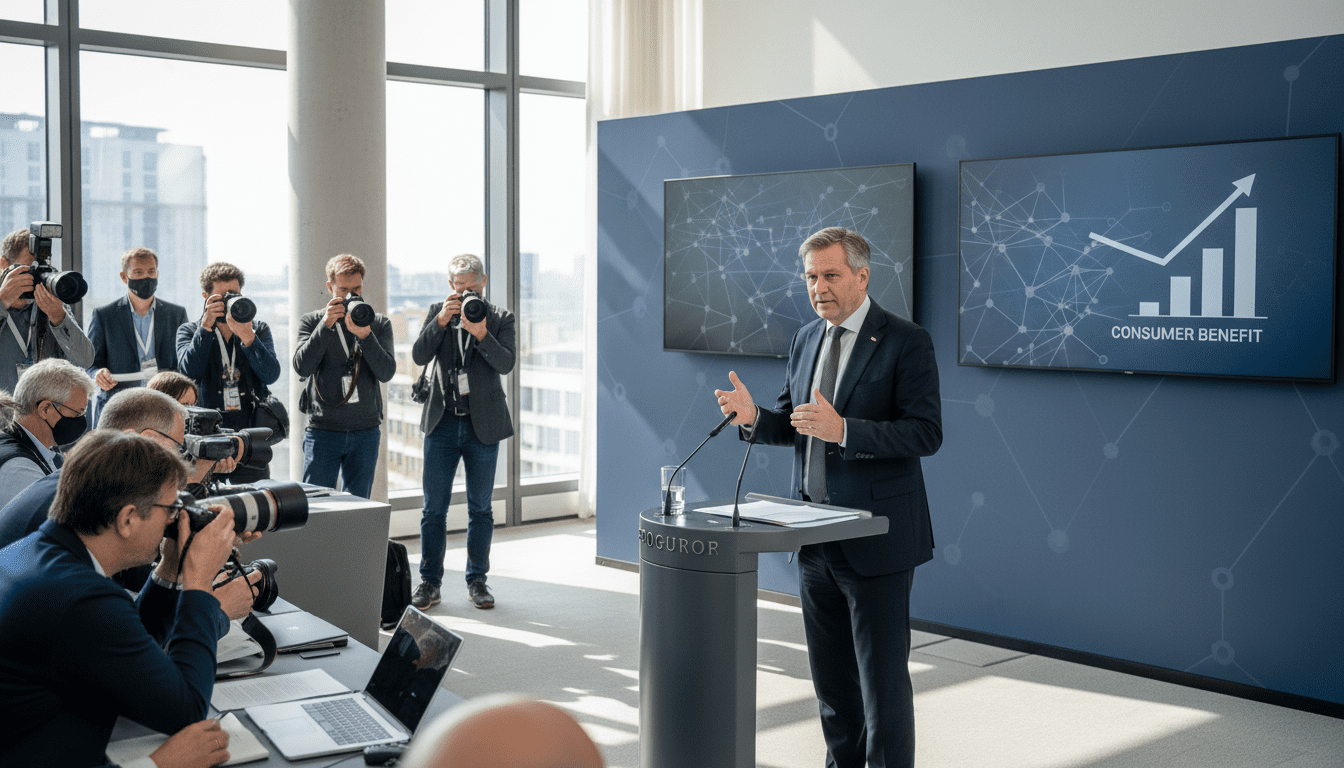
The German cabinet approved a €6.5 billion subsidy to grid operators in autumn 2025 aimed at easing charges along the electricity supply chain and delivering electricity price relief to consumers. Economy Minister Katherina Reiche publicly pressed network and power companies to pass the benefit on to end users, warning that the government expects the relief to be felt by households. The subsidy was designed to flow from grid operators to utilities and then to customers, but officials and advocates say monitoring will be essential to verify pass-through.
Cabinet approves €6.5bn subsidy to grid operators
The subsidy was adopted by the federal cabinet as part of a policy package intended to lower structural charges that have pushed up household electricity costs. Officials framed the measure as temporary budgetary support to network operators to reduce net charges that are ultimately billed to consumers. The move reflected growing political urgency to stabilize household energy bills after a period of elevated wholesale and system costs.
Minister Reiche warns companies to pass on relief
Minister Katherina Reiche made clear in autumn 2025 that the subsidy was not intended to pad corporate margins. She told grid and power companies she expects the relief to reach consumers and signaled the government would monitor outcomes. Her remarks underscored a wider political imperative in Berlin to show voters that fiscal interventions produce tangible savings at the household level.
How the subsidy is intended to cascade to consumers
The policy architecture requires the funds to be reflected in lower network charges, which in turn should reduce the prices utilities charge for electricity supply. In practical terms, the €6.5bn payment to grid operators should lessen the charges that are typically passed into retail tariffs. If implemented as planned, the cascading effect would translate into smaller bills for households and small businesses over the subsidy period.
Industry response and concerns over pass-through
Energy companies and grid operators acknowledged the cabinet decision but cautioned that regulatory and contractual factors determine final retail pricing. Industry representatives pointed to complex billing structures and long-term supplier agreements that can slow or dilute immediate consumer savings. Consumer groups and some economists have warned that, without clear enforcement and transparency, parts of the subsidy could be absorbed upstream rather than being fully reflected in household bills.
Monitoring, transparency and enforcement measures
Regulators and ministry officials indicated a need for clear reporting and oversight to track whether the subsidy reduces consumer charges. Proposed measures include transparent accounting of how the funds alter network charges and timelines for adjustments to retail tariffs. Analysts say publicly accessible data and timely reviews will be crucial to ensure accountability and to determine whether further intervention is required.
Implications for German household power bills
If the cascade operates as intended, households could see modest reductions in the network component of their electricity bills, easing overall energy costs. The size and timing of any relief will depend on how quickly network charges are adjusted and how suppliers incorporate those changes into retail prices. Policymakers will be watching closely to assess both the short-term impact on bills and the subsidy’s effect on market behavior.
The cabinet’s €6.5bn measure represents a significant fiscal effort to relieve consumers, but its success hinges on execution and oversight; officials, industry and consumer groups now face a coordinated task to demonstrate that the promised electricity price relief materializes for households.
