
Lufthansa’s 100th Anniversary Overshadowed by Strikes, Jet-Fuel Shortages and Cityline Closure
Lufthansa’s centenary celebration in Frankfurt was disrupted by cabin-crew and pilot strikes and growing jet-fuel concerns, as the EU prepares contingency measures and Cityline faces immediate closure.
Lufthansa’s centenary event in Frankfurt was marred by large-scale labour action and wider operational threats that have left the carrier navigating a week of crisis. The company faced coordinated walkouts by cabin crew and pilots that coincided with warnings about tightening jet-fuel supplies across Europe. Executives, union leaders and EU officials are now confronting a complex mix of industrial conflict and fuel-security concerns that threaten short-term schedules and the group’s strategic coherence.
Anniversary Ceremony Marred by Strikes
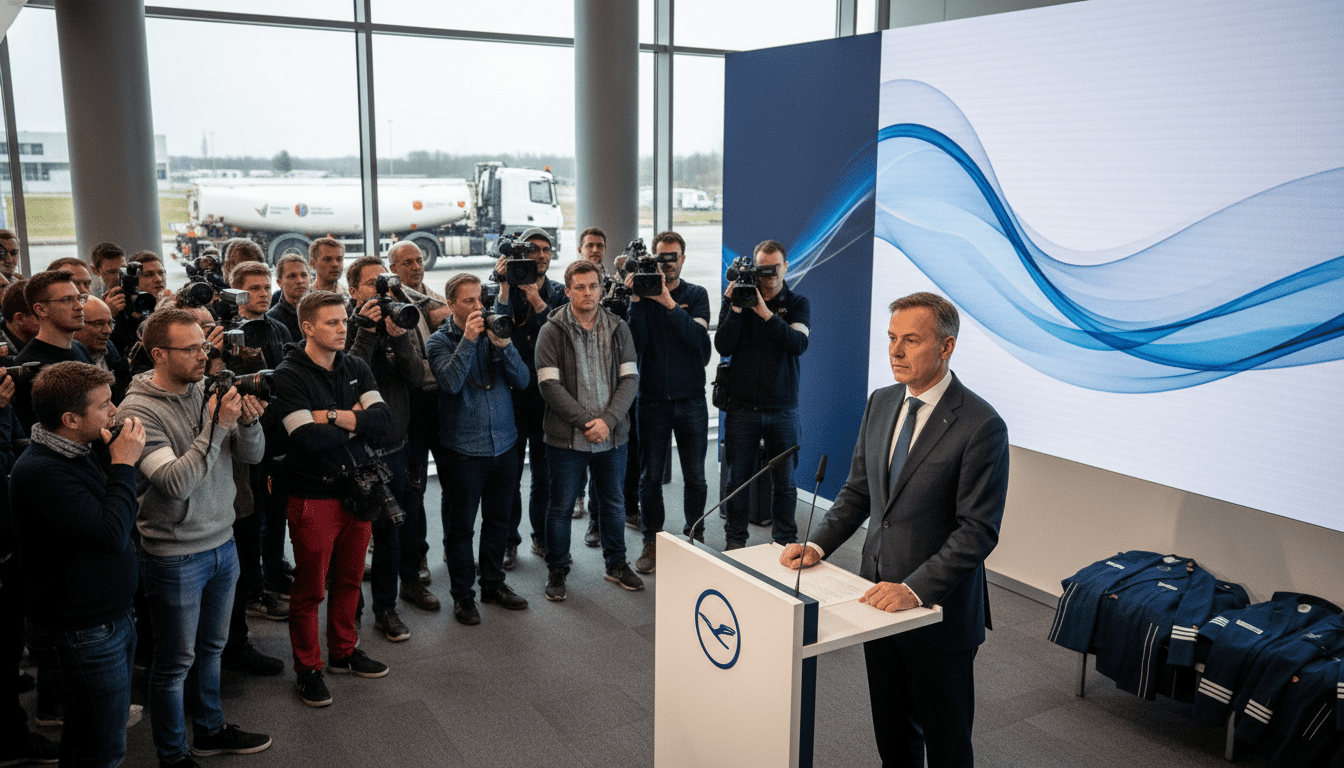
Several guests and executives arrived in Frankfurt to attend Lufthansa’s 100th anniversary only to find travel disrupted by strikes called by the UFO cabin-crew union. The speech by supervisory board chair Karl‑Ludwig Kley — delivered in the presence of Chancellor Friedrich Merz — took on an unusually political tone as the event was overtaken by operational chaos. Attendees described the timing as “unseemly,” and Kley publicly urged lawmakers to consider changes to strike legislation amid visible frustration at the scale of the disruptions.
Executives Press for Tighter Strike Rules
Kley’s call for a “codification” of strike rules signals a rare, direct appeal from a supervisory chair for legislative intervention in collective bargaining. His remarks came after weeks of escalating confrontation between the group’s management and specialist unions representing pilots and cabin staff. Management argues that fragmented bargaining across multiple operating units undermines stability and that legal clarification could curb what it calls disruptive, unilateral industrial action.
Pilot and Cabin-Staff Walkouts Disrupt Operations
The Pilots’ union Cockpit (VC) and the UFO cabin-crew union coordinated a series of walkouts that grounded many flights during Lufthansa’s anniversary week. The stoppages extended from Monday through Friday and affected mainline services and regional units alike, leaving passengers with cancelled journeys and lengthy rebooking procedures. Lufthansa has attributed some cancellations to crew shortages and supply constraints, while unions say their actions are focused on pay, pensions and social protections for staff.
Jet-Fuel Shortages Compound Operational Strain
The crisis has been intensified by international warnings that jet-fuel supplies could tighten sharply if shipping routes through the Persian Gulf remain restricted. The International Energy Agency cautioned that Europe’s current kerosene stocks could be drawn down within weeks if imports falter, with refiners operating near capacity and limited spare production available. Airlines that rely on imported jet fuel are already adjusting schedules and procurement forecasts, and some carriers have announced route suspensions in response to price volatility and logistical uncertainty.
EU Moves to Prepare for a Kerosene Shortage
European institutions have drafted contingency measures to identify and maximise refinery output and to prioritise fuel distribution should shortages materialise. Reports indicate the European Commission plans to map refining capacity and introduce emergency coordination to ensure critical air links are preserved where possible. Officials say measures could include re-routing supply chains, designating fuel-priority corridors for essential services, and urging member states to mitigate bottlenecks at key airports and fuel depots.
Cityline Closure Sparks Questions About Strategy and Labour Policy
The group announced the immediate closure of Lufthansa Cityline, a smaller operating unit with 27 aircraft, citing rising jet-fuel costs and structural efficiency measures. The decision, disclosed a day after the centenary event, provoked criticism because Cityline staff had been central to the UFO’s recent strike action seeking stronger social protections. Critics argue the accelerated shutdown reflects a long-standing management strategy of creating lower-cost subsidiaries, a tactic unions say has hollowed out the core “Lufthansa Classic” brand and intensified pay and pension disputes.
Lufthansa’s leadership points to a broader growth trajectory — including acquisitions of ITA, Austrian Airlines and Swiss — that has created Europe’s largest aviation group and, management says, strengthened resilience relative to weaker peers in Asia. Yet analysts warn that internal fragmentation across multiple subsidiaries, now numbering more than a dozen, complicates unified bargaining and contributes to labour tensions that can quickly translate into operational and reputational damage.
The combination of industrial action and fuel-market pressure leaves passengers, regulators and investors watching closely as the airline attempts to steady operations. In the short term, travellers should expect continued disruption on crowded routes and potential schedule adjustments as Lufthansa rebalances fleets and staff. For the company, success will hinge on resolving bargaining disputes without further erosion of service capability while navigating an uncertain fuel supply environment.
