
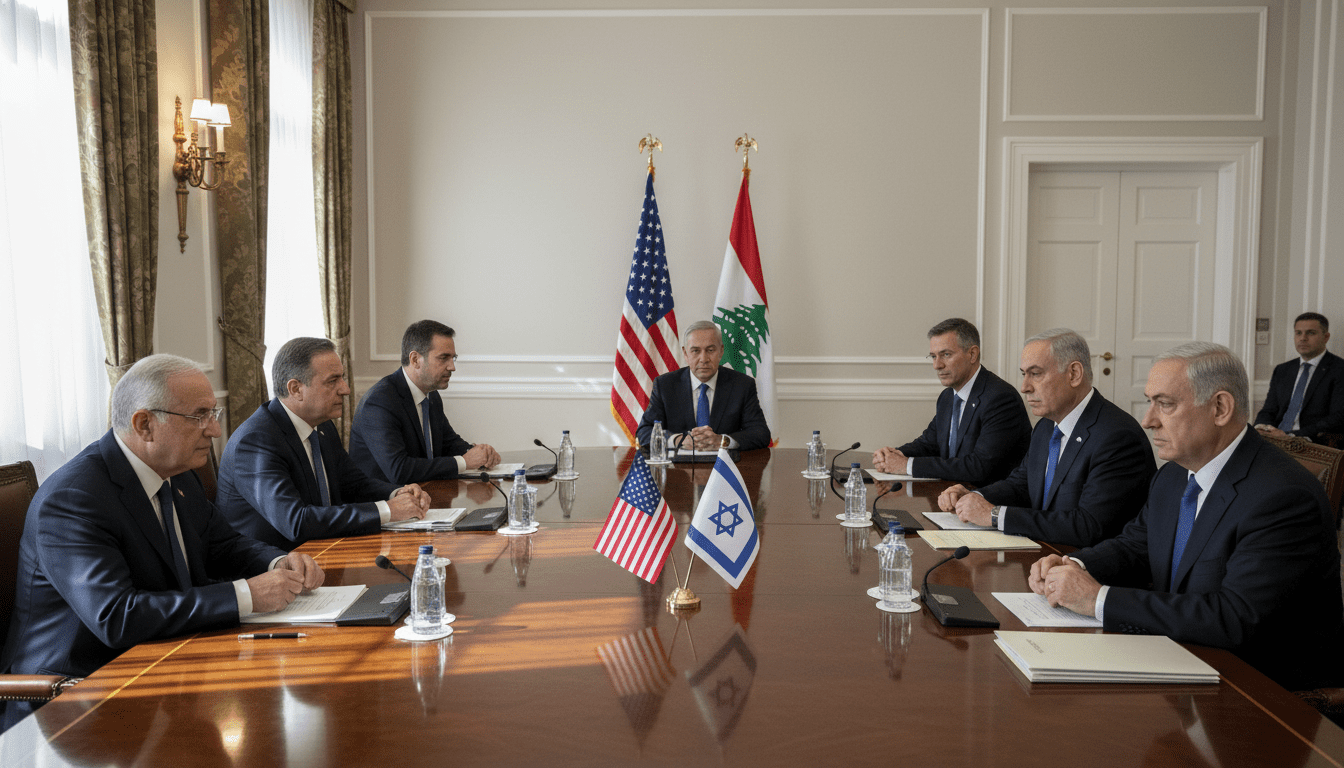
Lebanon and Israel Talks in Washington Lead to Direct Negotiations but No Cease‑Fire
In Washington on April 14, 2026, Lebanon and Israel held rare in-person talks and agreed to “launch direct negotiations” after what the U.S. State Department called “productive discussions,” though no cease‑fire was secured.
Opening summary
The Lebanon and Israel talks convened in Washington on April 14, 2026, marked the first high-level, face-to-face meeting between the two parties in years, U.S. officials said. Delegations left the session having agreed to open direct channels, but they did not reach an immediate cease‑fire or a binding cessation of hostilities. The meeting was brokered and hosted by U.S. diplomats seeking to translate a fragile momentum into a formal negotiation process.
U.S.-Hosted meeting and participants
The talks took place under the auspices of the U.S. State Department and included senior representatives from Beirut and Jerusalem. Each side arrived with narrowly defined objectives: Lebanon pressed for protections along its southern border and safeguards for civilians, while Israel focused on security guarantees tied to the presence and actions of Hezbollah. U.S. mediators described the exchanges as substantive, bringing long-dormant diplomatic channels back into operation.
Agreement to begin direct negotiations
Officials said the principal outcome was a mutual commitment to begin direct negotiations to address the outstanding disputes between the two countries. The State Department framed the decision as a pragmatic step intended to create a structured framework for further talks rather than an immediate settlement. Delegations agreed to convene follow-up sessions, with Washington offering logistical and diplomatic support to maintain momentum.
Cease‑fire demands and unresolved issues
Despite the commitment to negotiate, the meeting did not yield a cease‑fire agreement, leaving immediate tensions unresolved. Israeli representatives emphasized their need for measures that would neutralize perceived threats from armed groups operating near the border, while Lebanese officials underscored sovereignty concerns and the protection of civilian areas. Observers noted that without interim confidence-building measures, any pause in hostilities would depend on parallel steps by nonstate actors on the ground.
Statements from both sides and Washington’s role
Public remarks after the session highlighted cautious optimism and clear limits. U.S. spokespeople described the talks as “productive” and emphasized that Washington would facilitate the nascent negotiation track. Lebanese and Israeli spokespeople exchanged positive language about the potential for progress while reiterating core demands; one delegation called the gathering “historic” and another insisted that security concerns tied to Iran-backed groups must be addressed. The U.S. indicated it would remain actively engaged to help translate these pledges into timelines and working groups.
Hezbollah and the regional security context
Hezbollah’s presence near the Israel-Lebanon border remains the most sensitive factor shaping the conversation and the prospects for any durable arrangement. Israel has repeatedly cited the group’s arsenal and Iranian backing as central security threats, while Lebanese authorities argue that state sovereignty and civilian safety must be respected in any agreement. Analysts warn that absent parallel de-escalation by armed groups, diplomatic progress risks being undermined by episodic flare-ups on the frontier.
Next steps and potential timeline
Officials did not announce a detailed schedule for subsequent meetings, but participants signaled intent to meet again under U.S. auspices and to form technical teams to address boundary, security and humanitarian questions. Diplomats said these working groups would focus on practical steps that could reduce the risk of confrontation, such as monitoring mechanisms and coordinated communication channels. The success of that work will likely hinge on parallel pressure from regional actors and the willingness of nonstate forces to refrain from provocative actions.
Final paragraph
The Washington session returned direct diplomacy to a relationship long defined by indirect confrontation, giving both sides a pathway to negotiate core disputes while leaving open the most difficult questions about security, sovereignty and the role of armed groups along the border.
