
Israeli strikes in southern Lebanon kill at least 13 as death toll in Lebanon tops 2,000
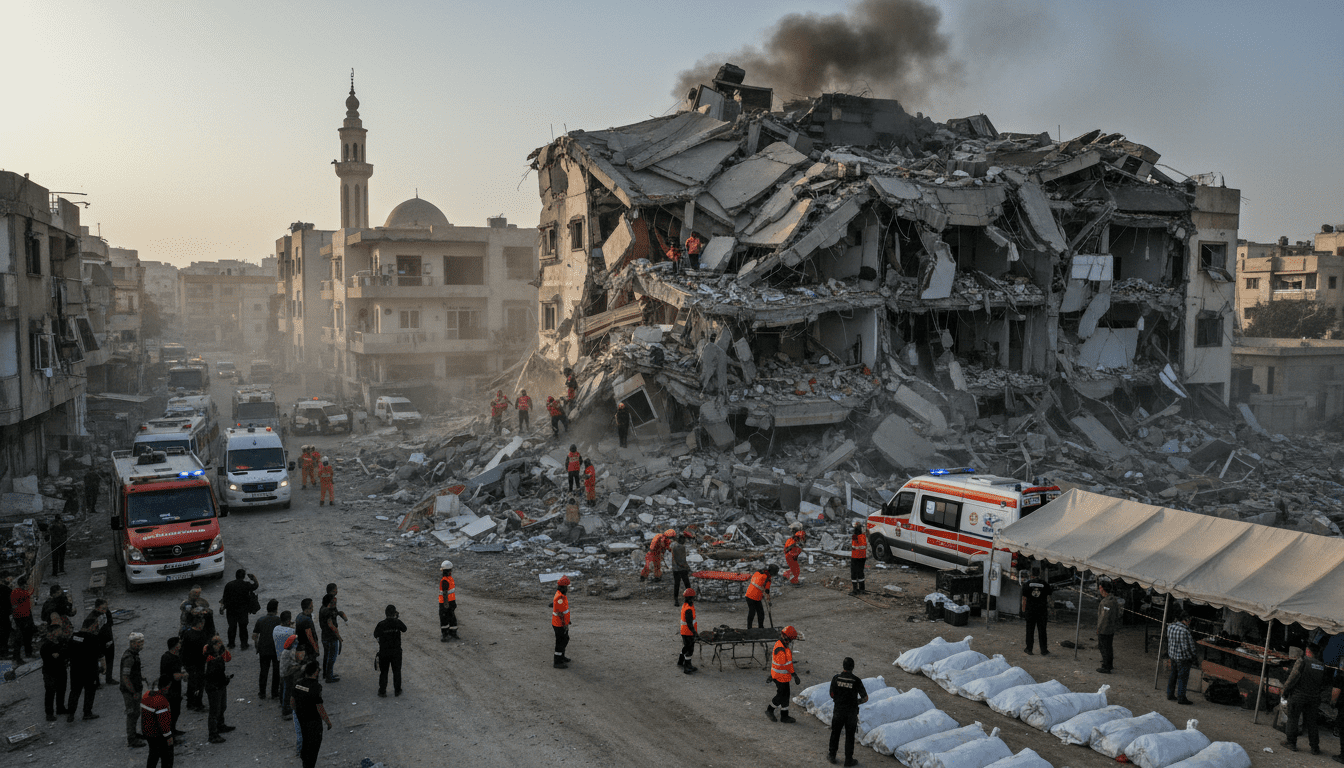
Israeli strikes in southern Lebanon killed at least 13 people on April 12, 2026, hitting towns in the Tyre and Nabatieh districts as rescuers dug through rubble; Lebanon’s overall death toll from the campaign has now surpassed 2,000.
Immediate impact in Tyre and Nabatieh
Residents and emergency crews reported multiple strikes across southern Lebanon on Sunday that struck residential areas and infrastructure in the Tyre and Nabatieh districts. Local sources said at least 13 people were killed and scores were wounded in the wave of attacks, with buildings reduced to rubble in several towns.
Rescue teams worked through the night and into Monday morning, pulling survivors from collapsed structures and searching for those still missing. The strikes intensified an already dire security situation in the region and prompted urgent appeals for medical and shelter support.
Rescue operations and search efforts
Civil defence and volunteer teams described chaotic scenes at impact sites where heavy machinery and hand crews sifted through debris for survivors. Emergency responders said access to some neighborhoods remained restricted by rubble and damaged roads, slowing rescue operations.
Hospitals in nearby areas reported receiving a steady stream of injured civilians, stretching medical capacity and supplies. Field triage units were set up to stabilise the most severely wounded before transfer to larger hospitals.
Humanitarian toll and displacement
Humanitarian agencies warned that the strikes have exacerbated displacement and humanitarian needs across southern Lebanon, with families fleeing shelling and seeking shelter in safer towns. Essential services including water, electricity and communications were reported disrupted in several affected communities.
Aid workers said an increase in displaced people is placing additional pressure on already limited resources, including food, shelter and health services. Relief organisations called for safe access to deliver emergency assistance to civilians trapped or displaced by the latest attacks.
Casualty figures and national impact
The new fatalities pushed the cumulative death toll from Israeli attacks in Lebanon above 2,000, according to Lebanese authorities and civil defence statements. The mounting number reflects months of intensified cross-border hostilities that have hit urban and rural areas across the country.
Officials in Beirut have repeatedly documented civilian casualties and infrastructure damage attributed to strikes, and the latest figures underline the broad human cost of the conflict. The scale of losses has also affected public services and the national economy, compounding long-standing challenges.
Diplomatic and regional response
Regional capitals and international actors reiterated calls for restraint as the violence escalated, while some governments urged immediate steps to protect civilians. Diplomatic missions emphasised the need for humanitarian corridors and unfettered access for aid organisations to reach affected populations.
No immediate comment was available from Israeli authorities about the specific strikes reported on April 12, and international bodies signalled growing concern over the prolonged impact on civilians. Observers warned that continued strikes could further destabilise border communities and complicate efforts to mediate a ceasefire.
Background to the recent escalation
The strikes come amid an extended period of cross-border exchanges and military operations that have repeatedly drawn condemnation for their toll on civilians. Southern Lebanon has seen recurring rounds of strikes and shelling that have displaced families and damaged homes, schools and health facilities.
The conflict’s broader trajectory has seen rising casualty figures and deepening humanitarian needs across Lebanon, with local authorities and relief agencies urging concerted international engagement to stem further loss of life. Analysts say that without sustained diplomatic pressure and humanitarian access, the cycle of violence is likely to continue to generate civilian suffering.
The latest wave of Israeli strikes in southern Lebanon is the deadliest in recent days and underscores the urgency of measures to protect non-combatants and allow emergency relief to reach those in need.
