
Iran says US failed to gain trust at Islamabad talks as tensions rise over Strait of Hormuz
Iran says the US failed to secure trust at Iran-US talks in Islamabad; hardliners praise the outcome as tensions escalate and fears grow of naval confrontation.
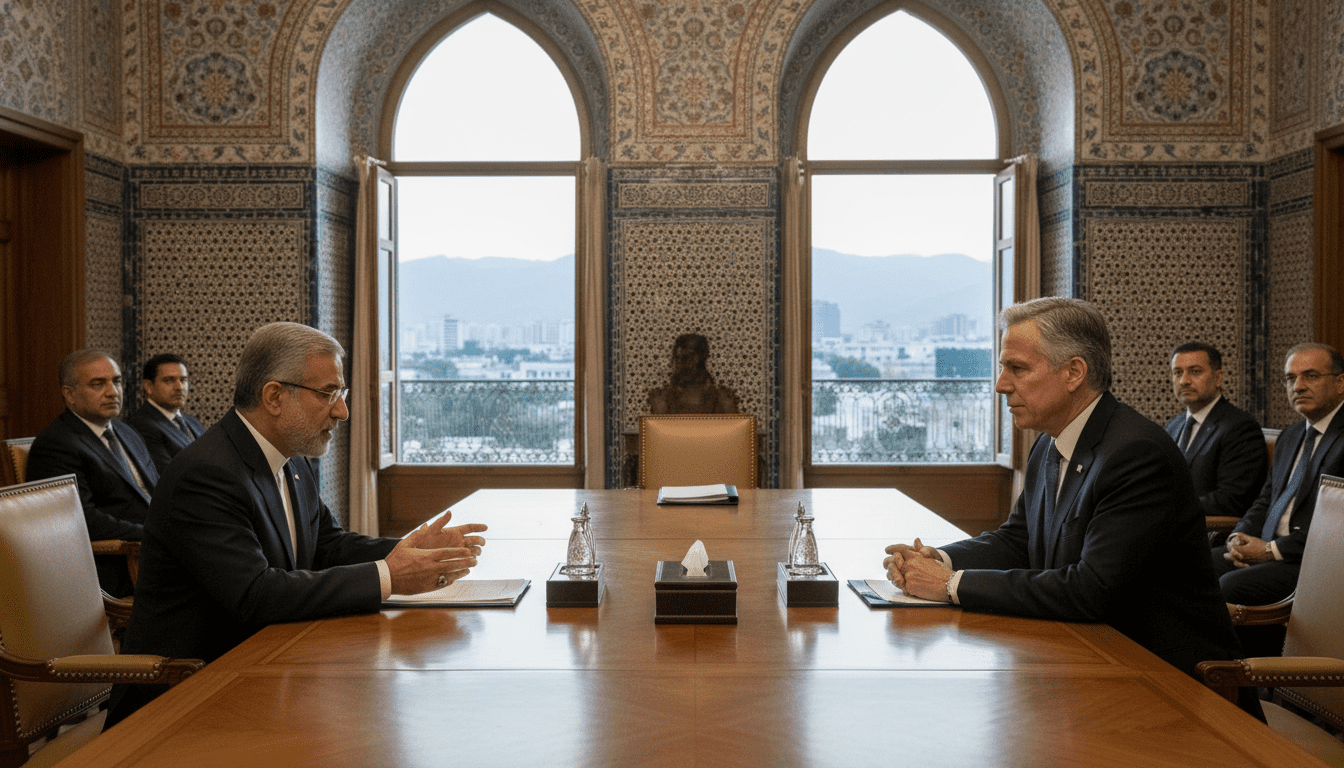
Iranian officials said the United States “failed to gain the trust” of their delegation after a one-day round of Iran-US talks in Islamabad, signaling an immediate end to hopes for a quick diplomatic breakthrough and heightening concerns over a confrontation in the Strait of Hormuz. The statement, delivered by Parliament Speaker Mohammad Bagher Ghalibaf who led the Iranian team, followed a marathon session that Tehran described as insufficient to resolve core demands on nuclear activity and control of the strategic waterway. President Donald Trump on Sunday announced that the US Navy would begin a blockade of vessels entering or leaving the strait and said US forces remained “locked and loaded,” remarks that drew sharp rebukes from Iran and stoked regional unease. The outcome has been hailed by hardliners in Tehran while officials warned the public to remain mobilized on the capital’s streets.
Iran says US failed to win trust at Islamabad talks
Iranian officials framed the talks in Islamabad as incomplete and said Washington’s demands were excessive and unacceptable. Mohammad Bagher Ghalibaf, who led the Iranian delegation, told state media the US side did not convince Tehran to abandon key positions on enrichment and control of the Strait of Hormuz. The Ministry of Foreign Affairs had formally signaled low expectations for a deal after only one day of negotiations, and state outlets emphasized that Tehran would not yield on core security red lines.
Trump announces naval blockade and military posture
On Sunday US President Donald Trump said the US Navy would “blockade any and all ships trying to enter, or leave, the Strait of Hormuz” and reiterated that American forces were prepared to act at an “appropriate moment.” Tehran denounced the comments as provocative and said Washington’s public posture demonstrated a desire to shore up its image rather than achieve meaningful progress. Iranian security officials responded by warning they would treat any military transit of vessels through the strait as a hostile act and said the Islamic Revolutionary Guard Corps (IRGC) reserved the right to respond forcefully.
Hardliners and state media welcome the stalemate
Hardline lawmakers and pro-establishment media in Tehran framed the failure to reach an agreement as a vindication of Iran’s stance. Judiciary chief Gholam-Hossein Mohseni-Ejei thanked the negotiating team and praised nightly street mobilizations by supporters in squares, streets and mosques across the country. Parliamentary figures close to the establishment said only an outcome that reversed US pressure — including a United Nations Security Council decision they described as a “surrender” by Washington — would be acceptable to protesters and political leaders on the streets.
Composition of Iran’s delegation and political signaling
Tehran sent an 85-member delegation to Islamabad to address domestic concerns and to demonstrate unity amid contentious debate at home. Alongside Ghalibaf, the delegation included Foreign Minister Abbas Araghchi, hardline diplomat Ali Bagheri Kani, former security officials and economic figures such as central bank head Abdolnasser Hemmati. The broad roster was intended to show that multiple state institutions and political currents had a stake in the talks and to reassure Tehran’s constituencies that national interests were being defended.
Escalation risks around the Strait of Hormuz
Analysts and officials in Tehran warned that while a return to full-scale hostilities was not immediate, the likelihood of further escalation had increased after the talks. State television and IRGC channels emphasized readiness, broadcasting footage and statements designed to reassure supporters and deter foreign action. The IRGC has already threatened to attack any military passage through the strait, and confusion over reports that US warships had traversed the area during the talks fed mutual accusations and heightened the risk of miscalculation in international waters.
Economic strains and domestic measures in Iran
The political standoff has compounded existing economic pressures inside Iran, officials said, with chronic inflation and rising job losses amid a near-total internet shutdown that authorities have imposed. President Masoud Pezeshkian’s government announced remote schooling over a limited domestic intranet, a measure officials said was necessary for public safety while the security situation persists. Moscow offered to continue diplomatic facilitation, with President Vladimir Putin telling Mr. Pezeshkian by phone that Russia was ready to help broker a settlement, but Tehran signaled that any resolution would require more than a single day of talks.
The Islamabad round left both sides publicly entrenched: Iran celebrated what it cast as a defensive success, while the United States signaled readiness to intensify pressure at sea. With international waters at stake and domestic politics on high alert, the prospect of additional negotiations or a wider diplomatic process remains uncertain as regional tensions rise.
