
US-Iran talks in Islamabad end without agreement amid rising violence in Lebanon
US-Iran talks in Islamabad end without agreement, sparking renewed fighting in Lebanon, US threats to block the Strait of Hormuz and heightened Israeli military readiness.
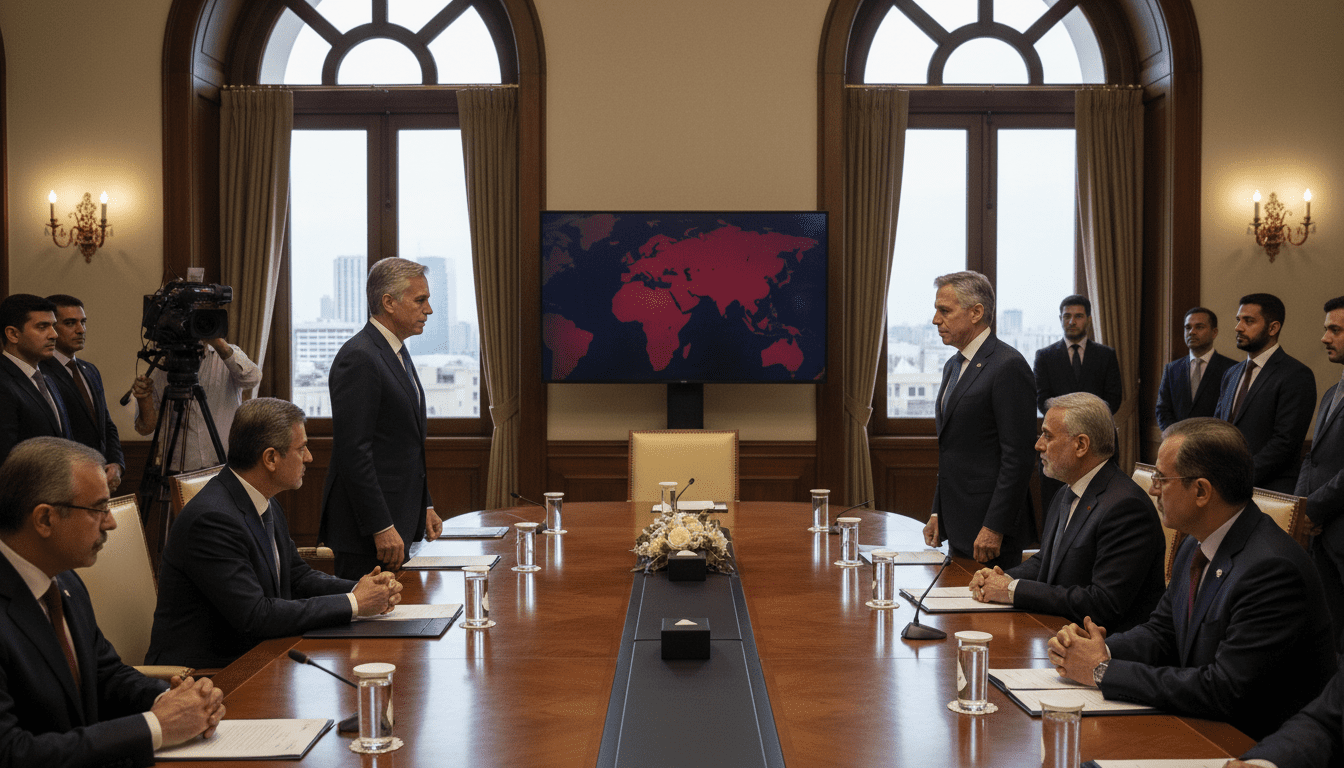
The US-Iran talks in Islamabad ended without a deal after a 21-hour negotiating round, officials and delegates said, as fighting intensified between Israeli forces and Hezbollah in southern Lebanon. The collapse of the Islamabad talks came with fresh threats from Washington to blockade the Strait of Hormuz and with Israeli officials signaling an elevated state of military preparedness. International mediators urged continued adherence to a fragile ceasefire, but diplomatic momentum to halt the wider conflict weakened over the course of the day.
Islamabad talks collapse after prolonged negotiations
The negotiating delegations met in Pakistan for more than a day but failed to bridge key differences on nuclear restrictions, the Strait of Hormuz and reparations, according to statements from both sides. US Vice President J.D. Vance, who led the American team, said his delegation made its red lines clear and left without an agreement. Iran’s negotiators blamed what they described as “unacceptable” US demands and said trust had not been established sufficiently to finalize terms.
Pakistani officials who hosted the talks urged both parties to respect the existing ceasefire and to continue engagement, but acknowledged that a breakthrough was not achieved. Independent observers said substantive progress had been made on a limited set of issues, yet the most sensitive items — including verification mechanisms and long‑term limits on weaponization — remained unresolved.
Escalation around Bint Jbail intensifies regional risk
In southern Lebanon, Israeli ground forces engaged in heavy combat with Hezbollah fighters around the town of Bint Jbail, where local reports said many militia members were encircled. Israeli military sources asserted that at least 20 Hezbollah fighters were killed at a government hospital complex, and accused the militia of using civilian facilities for combat operations. Hezbollah, for its part, said it had struck Israeli positions with anti‑tank missiles, and local media reported civilian casualties from air and artillery strikes.
Humanitarian and rights groups warned that fighting near populated areas, including medical facilities, risks increasing civilian harm and could complicate efforts to maintain or restore a truce. The intensification of hostilities in Lebanon has also prompted renewed international appeals for protection of noncombatants and unfettered access for humanitarian responders.
Trump announces immediate US blockade plans for Hormuz
US President Donald Trump announced on social media that the United States would immediately move to block the Strait of Hormuz by naval operations and would intercept vessels that had paid passage fees to Iran. The White House framed the action as a response to Iranian threats and intelligence indicating mine placements and attempted ship levies. Trump also said US forces were prepared to extend operations to disable Iranian minefields and that the blockade could be eased if transit was opened for all vessels without restrictions.
The announcement drew immediate concern from trading partners and insurers, with analysts warning that any disruption in Hormuz traffic could sharply increase oil and shipping costs. Several nations urged restraint and called for coordination to avoid unintended escalation at sea.
Israel signals readiness for renewed campaigns against Iran
Israeli leaders said they are preparing for the possibility that offensive operations against Iran could resume if diplomatic channels fail to deliver a durable settlement. Prime Minister Benjamin Netanyahu and military officials described recent strikes as having degraded Iran’s nuclear and missile capabilities, and reported that the armed forces were placed on a heightened state of alert. Media reports citing senior Israeli figures said forces were ordered to prepare for a rapid return to broader hostilities if necessary.
At home, thousands in Tel Aviv demonstrated against continued military operations, demanding an end to what protesters called an “eternal war” that increasingly affects civilians. Political leaders in Jerusalem face mounting domestic pressure as both security concerns and calls for a negotiated end to the conflict grow louder.
US Vice President’s Ramstein stop and international diplomacy
On his return from Islamabad, Vice President Vance made an unannounced stop at the US Air Base in Ramstein, Germany, a turn that US officials described as a routine refueling and personnel stopover. Journalists traveling with the delegation noted Vance’s short visit to the airfield before continuing to Washington. The Ramstein stop underscored the global reach of the crisis and the diplomatic circuit attempting to manage it.
Meanwhile, Moscow and Tehran reported a phone call between Presidents Vladimir Putin and Masud Peseschkian, with Russia offering to assist mediation efforts. Saudi Arabia reported that its East‑West oil pipeline had been restored to full capacity after earlier damage, a development states said would help stabilize energy supplies if shipping through Hormuz were disrupted.
Final paragraph
With the Islamabad talks concluded without a settlement, the region faces a tense mix of military operations and diplomatic maneuvers that could widen the conflict if key disputes remain unresolved. Mediators continue to press for implementation of the fragile ceasefire even as governments prepare for a range of contingencies at sea and on land. The next days will be decisive for determining whether negotiations can resume and whether international pressure can prevent further escalation.
