
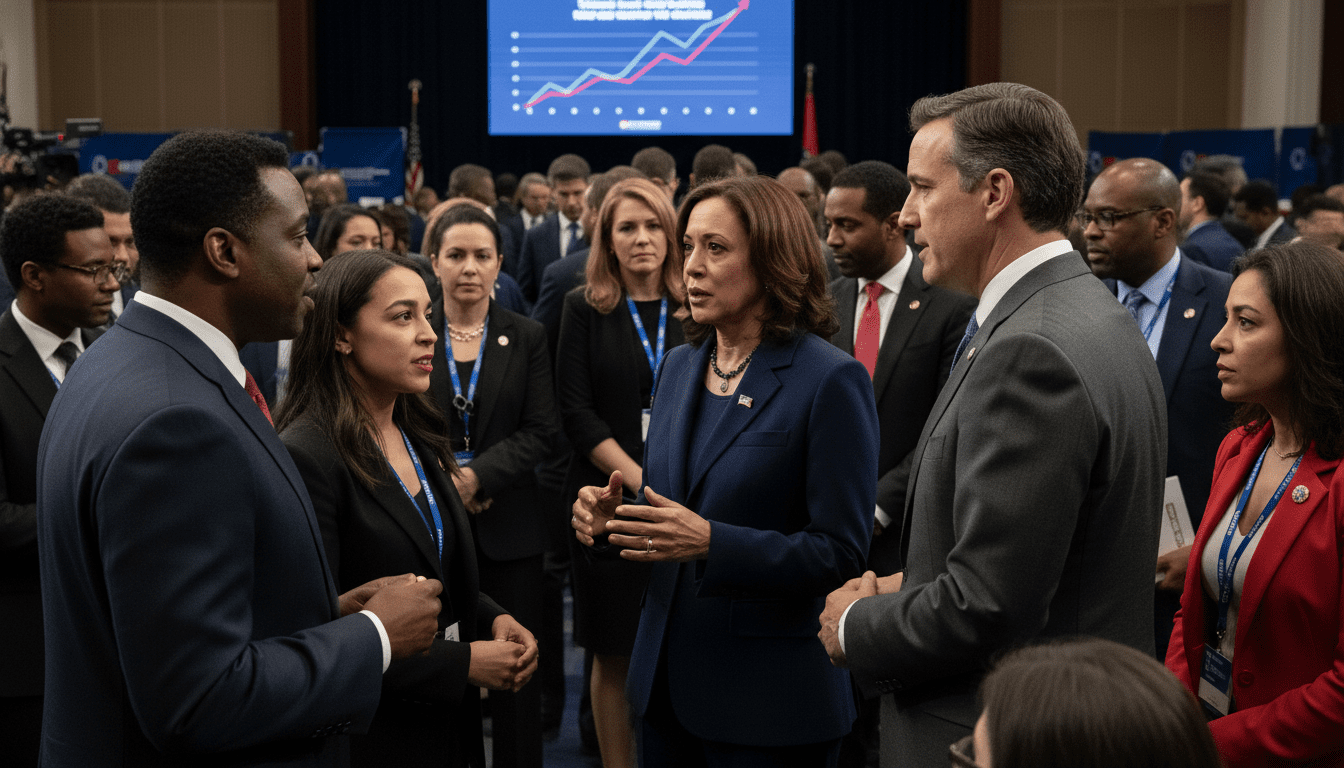
2028 Democratic primary debate sharpens after Kamala Harris appearance at National Action Network
At the National Action Network convention in New York, concerns about electability are already shaping the 2028 Democratic primary, as voters and prospective candidates weigh whether a non‑white, non‑male nominee can beat Donald Trump. Kamala Harris signaled she is “thinking about” another run, energizing a room of Black activists while reigniting private doubts among some attendees about who can win a national contest. The convention quickly became a testing ground for competing arguments about identity, strategy and what voters believe will translate to victory in swing states.
Harris’s Gesture and Voter Reservations
Harris’s appearance drew loud applause and renewed speculation about a 2028 bid, but it also exposed persistent skepticism among parts of the party’s base. Several Black conventiongoers said they worry that the country remains unreceptive to leaders who differ from the traditional profile of recent presidents. Those sentiments were voiced alongside praise for Harris’s trailblazing role, creating a tension between symbolic progress and hard‑headed calculations about who can secure a majority.
Midtown Ballroom Turns Into a Shadow Primary
The convention hosted a steady stream of elected officials and potential 2028 contenders who used the gathering to court Black voters and build relationships ahead of any official announcements. Governors, senators and cabinet alumni circulated in meetings and on panels, turning informal encounters into a proxy early contest for influence and endorsements. Organizers and attendees described the week as a collection of outreach efforts that revealed both enthusiasm for diversity and anxiety about electoral practicality.
Voters Lay Out Electability Concerns
Voices on the convention sidelines reflected a range of age and geographic perspectives, but several common worries emerged about whether a Black woman or other nontraditional candidate could win nationwide. Some attendees said they believed the electorate still leans toward candidates who fit a familiar profile — particularly straight, white men — and that Democrats might default to those options to maximize the chance of defeating Trump. Others pushed back, saying prioritizing identity over message risks alienating communities who feel marginalized when the party retreats to the center.
Contenders Argue Against Narrowing the Field
Several of the politicians present urged the party not to let fears of electability constrict who is allowed to run. Supporters of a broader bench warned that excluding candidates based on perceived demographic limitations could cause the party to miss promising leaders. Figures such as a first‑term senator and a governor pointed to recent upsets and state victories as evidence that candidates who break the traditional mold can prevail if their message resonates.
Harris’s 2024 Calculations and Buttigieg’s Response
In recent writings, Harris disclosed she considered a gay, white cabinet member as a vice‑presidential running mate in 2024 but ultimately believed the combination of a woman of color and an openly gay man might be a bridge too far for voters at that moment. That admission has become part of the broader conversation about how identity intersects with strategy. The cabinet member in question has countered that voters tend to reward candidates based on perceived competence and concrete proposals rather than categorical traits, arguing that results‑oriented campaigning builds cross‑demographic trust.
Lessons from Recent Primaries and State Races
Debates over electability are not new and resurfaced in contests such as the 2020 presidential primary and recent Senate primaries where questions about who could unify disparate constituencies shaped voter choice. In at least one high‑profile primary, party voters selected a white male candidate over a Black female contender amid calculations about statewide appeal. Party strategists and local activists said those episodes continue to inform how rank‑and‑file Democrats think about tradeoffs between representation and perceived winnability.
A Party Balancing Identity and Strategy
The conversations at the convention highlighted a fundamental dilemma for Democrats: whether to prioritize reflecting the party’s diverse coalition at the top of the ticket or to nominate someone presumed to have broader appeal among independents and disaffected voters. Organizers and community leaders emphasized that the calculus will have to consider both symbolic significance and the practical mechanics of a national campaign. Several attendees warned that repeatedly deferring representation in pursuit of short‑term gains risks long‑term disengagement among key constituencies.
As the 2028 cycle approaches, the debate over who can win the Democratic nomination will continue to play out in public forums, private strategy sessions and primary contests across the country. Conversations at the National Action Network gathering made clear that electability concerns are front of mind for voters and candidates alike, and that the tension between inclusivity and pragmatism will shape how the party vets and elevates potential nominees in the months ahead.
