
ZDH president urges pivot to skilled trades as AI transforms the labor market
Germany’s ZDH calls for reforms to make skilled trades an attractive, AI‑resilient path for young people amid growing automation concerns.
Strong warning from ZDH president
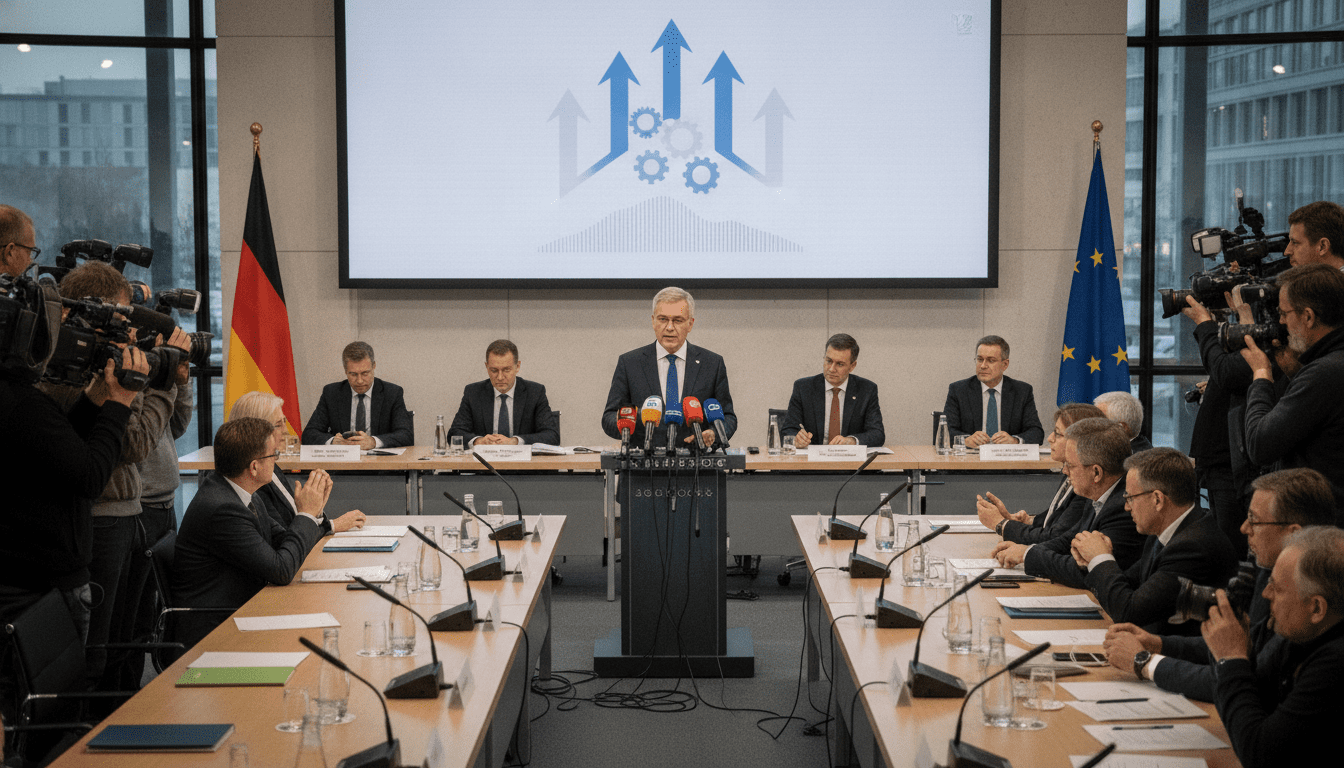
Jörg Dittrich, president of the Zentralverband des Deutschen Handwerks (ZDH), warned on June 11, 2026 that continuing to steer young people primarily toward university degrees is increasingly risky as artificial intelligence automates routine office work. He argued that skilled trades offer more AI‑resilient employment and that policy must adapt to provide clear, attractive alternatives. The ZDH presented a four‑point program aimed at strengthening vocational training, raising the profile of apprenticeships, and preparing the sector for a digitally augmented future.
AI is changing the shape of white‑collar work
Recent technological advances have enabled AI systems to screen applications, draft legal documents, prepare tax returns, and automate scheduling and basic data analysis. Those capabilities accelerate workflow in many office roles and intensify competition for graduates entering the labor market. Employers and employees alike are questioning which occupations will remain secure, and the ZDH says this uncertainty hits university graduates particularly hard when suitable positions are scarce.
Why the skilled trades are less exposed
Trades such as plumbing, electrical work, carpentry and roofing require complex manual skills, on‑site problem solving and immediate interaction with customers—attributes that are difficult to fully automate. The ZDH emphasizes that many tasks in the skilled trades depend on tacit knowledge, physical dexterity and local networks, giving those occupations resilience against current AI capabilities. Moreover, the demand for hands‑on maintenance, retrofitting and construction amid an aging building stock and green transition keeps these roles in steady demand.
The ZDH’s four‑point reform agenda
The federation’s proposal centers on four reform pillars to make skilled trades a first‑choice route for young people. First, it calls for a modernization of vocational curricula to include digital skills, quality apprenticeships and clearer career ladders. Second, the ZDH seeks stronger incentives for companies to take on apprentices, including funding mechanisms and regulatory simplifications. Third, it proposes public campaigns and counseling reforms to rebalance career guidance away from an automatic push to university. Fourth, it recommends targeted investment to raise wages, improve working conditions and upgrade training facilities so that trades can compete for talent.
Students, employers and the image problem
Despite longstanding shortages in many crafts, young people in Germany still disproportionately choose academic degrees over apprenticeships, contributing to a mismatch between supply and demand in the labor market. Employers in the trades report recruitment difficulties even as graduates struggle to find fitting roles, a gap the ZDH says is aggravated by outdated perceptions of vocational work. Boosting the social and economic status of skilled trades, the federation argues, is essential to attract a new generation of technicians and craft professionals.
Political response and industry readiness
So far political reaction has been cautious, with several parties acknowledging the need for vocational reform but stopping short of sweeping commitments. The ZDH urges faster, more decisive action to align education policy with the realities of AI‑driven displacement and regional labor needs. Meanwhile, many craft businesses are already experimenting with digital tools—using sensors, planning software and training in AI‑assisted diagnostics—to increase productivity and make jobs more attractive for young workers.
The federation also stresses collaboration with chambers of commerce, schools and local employers to create clearer entry points into apprenticeships, and to ensure that vocational training keeps pace with technological change.
Policymakers and companies must move quickly to translate the four‑point plan into tangible measures, the ZDH says, because delays will widen the gap between job openings and qualified applicants.
The coming months will test whether Germany can reframe career pathways so that the skilled trades become a mainstream, sustainable option for young people navigating an AI‑shaped labor market.
